Stonehenge is a prehistoric monument in England, shrouded in mystery and intrigue. Built over 4,000 years ago, its massive stones were transported from distant locations, baffling historians. Some theories suggest it was an ancient calendar or a burial site, while others believe it had spiritual significance. Oddly, no one knows exactly how or why it was constructed, making Stonehenge one of the world's most puzzling and fascinating archaeological wonders, full of weird and wacky facts.
The Enigma of Stonehenge
Stonehenge is a prehistoric monument in England, shrouded in mystery and intrigue. Built over 4,000 years ago, its massive stones were transported from distant locations, baffling historians. Some theories suggest it was an ancient calendar or a burial site, while others believe it had spiritual significance. Oddly, no one knows exactly how or why it was constructed, making Stonehenge one of the world's most puzzling and fascinating archaeological wonders, full of weird and wacky facts.
💡 Key Takeaways
- Explore the main theories behind Stonehenge's purpose and potential uses.
- Discover how the stones were sourced, transported, and arranged into the iconic circle.
- Understand Stonehenge's astronomical alignments and their possible seasonal significance.
- Learn how archaeologists study Stonehenge and what questions about the site remain unanswered.
❓ Frequently Asked Questions
What is Stonehenge and where is it located?
Stonehenge is a prehistoric monument on Salisbury Plain in Wiltshire, England, built in several phases beginning around 3000 BCE.
When was Stonehenge built and expanded?
Construction began around 3000 BCE; the iconic stone settings were added around 2500–2000 BCE, with later modifications over centuries.
How are Stonehenge's stones arranged?
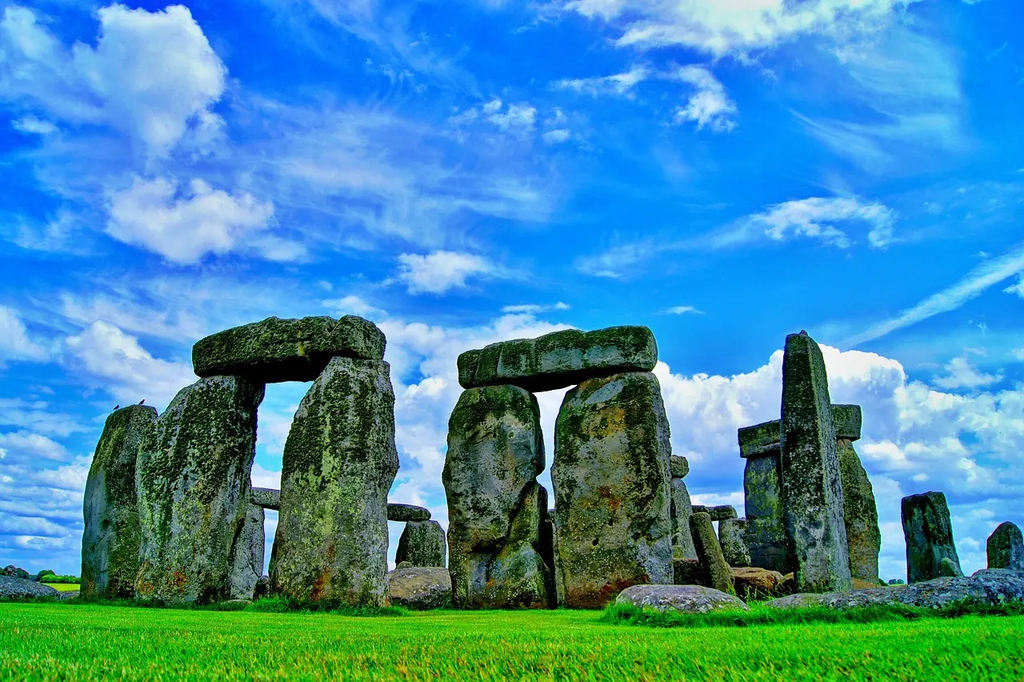
The outer ring consists of tall sarsen stones capped with lintels, forming a circle, while the interior features a horseshoe-shaped arrangement of trilithons (two vertical stones with a horizontal lintel).
What are the main theories about Stonehenge's purpose?
Theories include an astronomical calendar aligned with solstices, a ceremonial or religious site, a burial ground, or a gathering place; the exact purpose remains uncertain.