The evolution of music and virtual reality has transformed how audiences experience sound and performance. Virtual reality allows users to immerse themselves in interactive environments, attend virtual concerts, and engage with music icons in innovative ways. This fusion redefines musical storytelling, offering personalized, multisensory experiences and bridging the gap between artists and fans. As technology advances, it continues to reshape the music industry and the cultural impact of musical icons.
The Evolution of Music and Virtual Reality
The evolution of music and virtual reality has transformed how audiences experience sound and performance. Virtual reality allows users to immerse themselves in interactive environments, attend virtual concerts, and engage with music icons in innovative ways. This fusion redefines musical storytelling, offering personalized, multisensory experiences and bridging the gap between artists and fans. As technology advances, it continues to reshape the music industry and the cultural impact of musical icons.
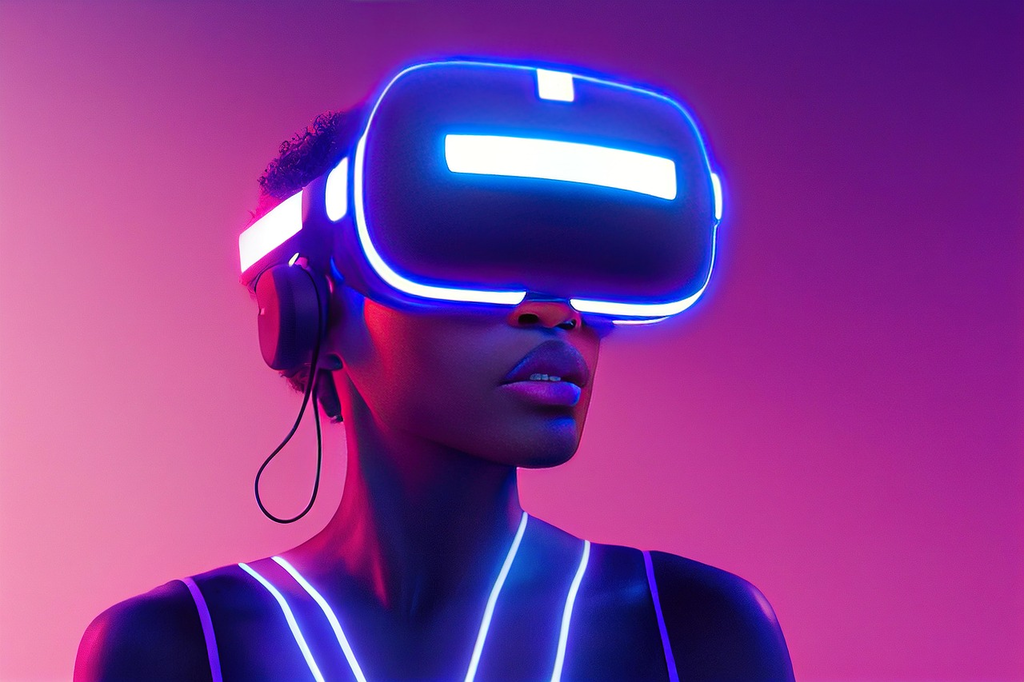
💡 Key Takeaways
- Understand how VR transforms music creation, performance, and listening.
- Learn the key milestones from analog and digital tech to immersive VR experiences.
- Explore how spatial audio, motion capture, and haptics enhance VR music environments.
- Compare traditional live concerts with VR-enabled experiences and discuss pros and cons.
- Identify future trends in music and VR and their potential impact on artists and listeners.
❓ Frequently Asked Questions
How has technology transformed how music is created and shared?
Digital tools like DAWs, software synths, and plugins speed up writing and production; streaming platforms and digital distribution let music reach global audiences instantly.
What is virtual reality, and how does it relate to music?
VR creates immersive, 3D environments viewed with a headset. In music, it enables immersive concerts, interactive videos, and virtual rehearsal or learning spaces.
What features of a VR music experience set it apart from traditional listening?
VR offers immersion through spatial audio, 3D visuals, and interactive exploration, allowing users to feel present and engage with the music scene.
How might VR influence the future of music education and performance?
VR can provide accessible practice spaces, global collaboration, and live or on-demand performances that people can attend from anywhere, broadening access and creativity.