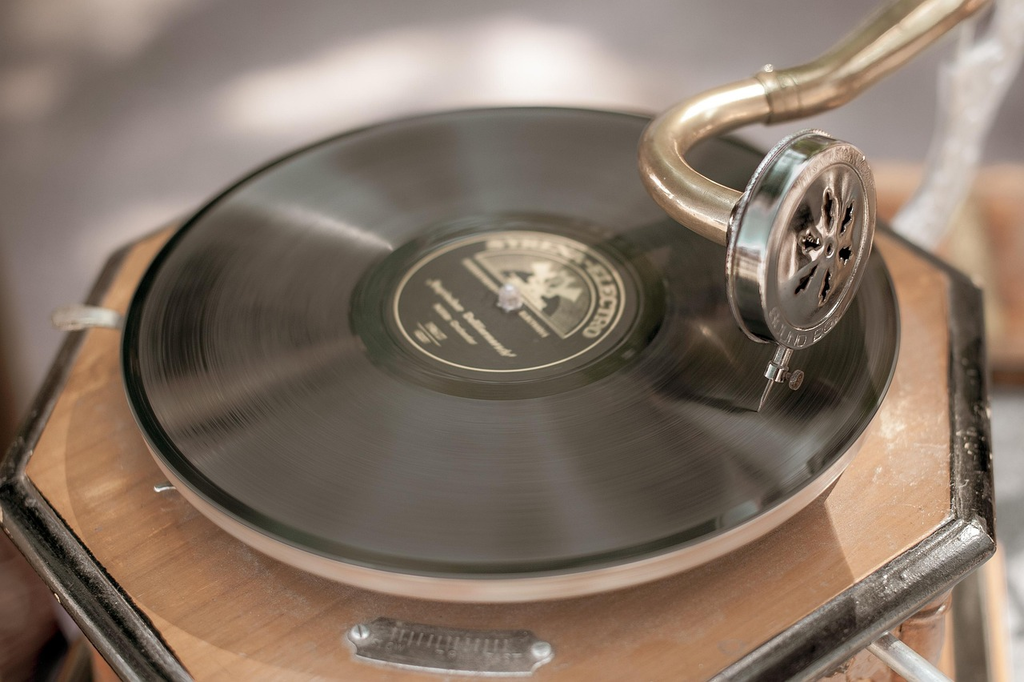
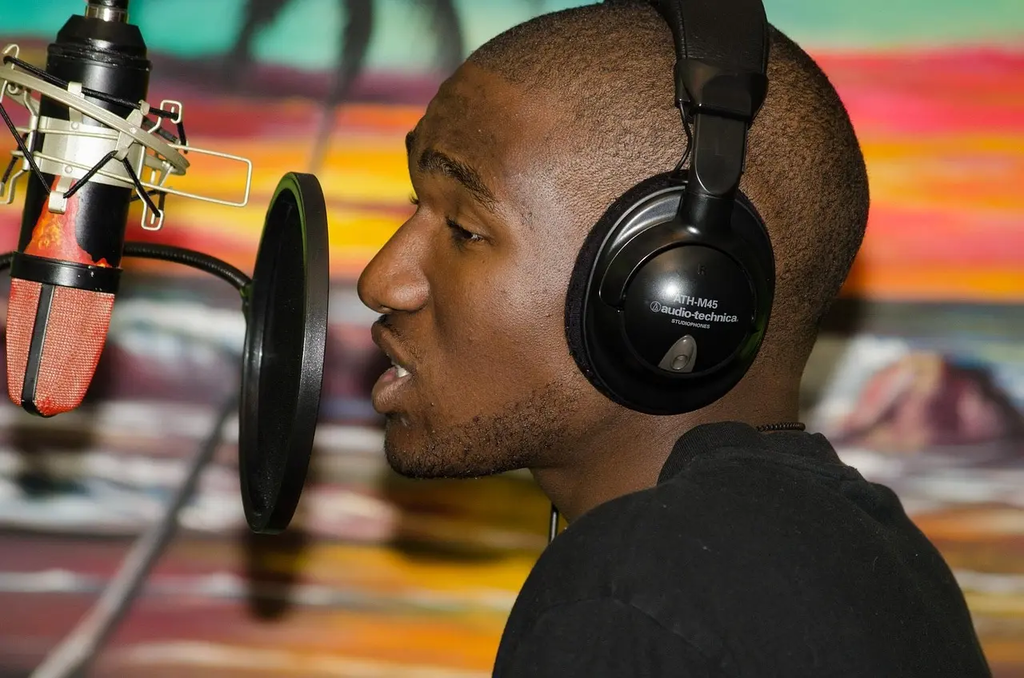
The evolution of music production reflects the transformation of how music is created, recorded, and shared. From analog instruments and tape machines to digital workstations and software, technological advances have reshaped sound quality and creativity. Iconic producers and artists have continuously pushed boundaries, influencing genres and trends. This journey showcases the interplay between innovation and artistry, making music more accessible while allowing for greater experimentation and global collaboration.
The Evolution of Music Production
The evolution of music production reflects the transformation of how music is created, recorded, and shared. From analog instruments and tape machines to digital workstations and software, technological advances have reshaped sound quality and creativity. Iconic producers and artists have continuously pushed boundaries, influencing genres and trends. This journey showcases the interplay between innovation and artistry, making music more accessible while allowing for greater experimentation and global collaboration.
💡 Key Takeaways
- Trace the shift from analog tape to digital audio workstations and software-based production.
- Identify key milestones—multitrack recording, MIDI, virtual instruments, and plug-ins—that transformed workflows.
- Explain how home studios and online collaboration democratized music production.
- Describe how production techniques and aesthetics (compression, effects, loudness, and arrangement) have evolved across genres.
❓ Frequently Asked Questions
What technological development first enabled recording and layering multiple tracks separately?
Magnetic tape-based multitrack recording in the 1950s–60s allowed overdubbing and layering of individual recordings.
What is MIDI and how did it change music production?
MIDI (Music Instrument Digital Interface) is a protocol from the early 1980s that lets electronic instruments and computers communicate, enabling sequencing, control, and automation without audio playback.
Why did digital audio workstations (DAWs) revolutionize how music is produced?
DAWs combine recording, editing, mixing, and effects in software, enabling non-linear workflows, vast flexibility, and use of virtual instruments and plugins.
How have sampling and software synthesizers shaped modern music production?
Sampling lets producers reuse real-world sounds, while software synthesizers provide affordable, versatile sound design tools and expansive sonic palettes.