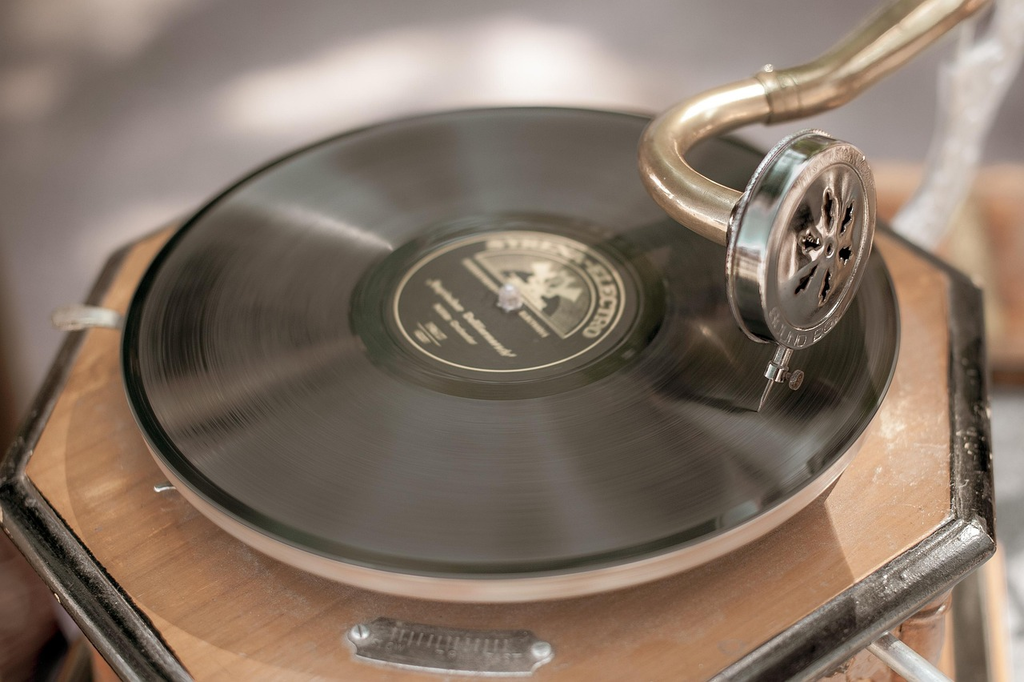
The phrase "The Evolution of Pop Music (Music & Icons)" refers to the transformation of popular music over time, highlighting how musical styles, trends, and influential figures have shaped the genre. It encompasses the journey from early pop influences to modern sounds, showcasing the impact of iconic artists, technological advancements, and cultural shifts. This evolution reflects changing tastes and societal values, making pop music a dynamic and ever-adapting art form.
The Evolution of Pop Music
The phrase "The Evolution of Pop Music (Music & Icons)" refers to the transformation of popular music over time, highlighting how musical styles, trends, and influential figures have shaped the genre. It encompasses the journey from early pop influences to modern sounds, showcasing the impact of iconic artists, technological advancements, and cultural shifts. This evolution reflects changing tastes and societal values, making pop music a dynamic and ever-adapting art form.
💡 Key Takeaways
- Trace major eras in pop music and how cultural shifts shaped sound and themes.
- See how technology and media (radio, records, MTV, streaming) changed pop production and distribution.
- Understand chart dynamics and audience demographics that drive pop hits.
- Identify landmark artists and moments that defined evolving pop eras.
❓ Frequently Asked Questions
What is pop music and how does it differ from other genres?
Pop is mainstream music designed for broad appeal, featuring catchy melodies and simple song structures drawn from rock, R&B, and electronic influences.
When did pop music begin to emerge as a distinct genre?
Pop began shaping in the 1950s as rock and roll, R&B, and country influences blended with youth culture.
What was the impact of the British Invasion on pop music?
In the 1960s, British bands like The Beatles popularized polished pop-rock sounds and global songwriting trends.
How did MTV and music videos influence pop in the 1980s?
MTV boosted visual presentation and image, making music videos a key channel for promotion and artist success.
How has technology shaped pop music since the 2000s?
Digital production, auto-tune, streaming, and social media transformed production, distribution, and sound, enabling new artists to reach audiences quickly.