The Fire Drill & CPR Training is a safety program designed to prepare individuals for emergencies. During fire drills, participants practice safe evacuation procedures, understand alarm signals, and learn designated exit routes. CPR training teaches life-saving techniques to assist someone experiencing cardiac arrest, including chest compressions and rescue breaths. Together, these trainings equip people with essential skills to respond quickly and effectively during fires or medical emergencies, enhancing overall safety in workplaces, schools, or public spaces.
The Fire Drill & CPR Training
The Fire Drill & CPR Training is a safety program designed to prepare individuals for emergencies. During fire drills, participants practice safe evacuation procedures, understand alarm signals, and learn designated exit routes. CPR training teaches life-saving techniques to assist someone experiencing cardiac arrest, including chest compressions and rescue breaths. Together, these trainings equip people with essential skills to respond quickly and effectively during fires or medical emergencies, enhancing overall safety in workplaces, schools, or public spaces.
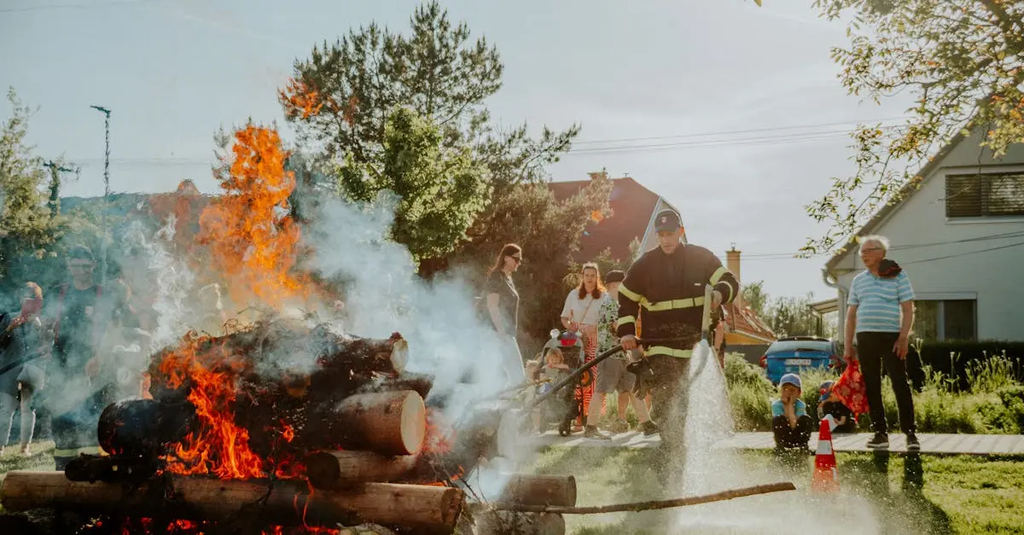
💡 Key Takeaways
- Understand the purpose of fire drills and how they prepare you for real emergencies.
- Identify alarm signals and follow designated exit routes to evacuate safely.
- Practice safe evacuation procedures, including staying calm and helping others when possible.
- Learn the core CPR steps (call for help, chest compressions, and rescue breaths) and when to use them.
❓ Frequently Asked Questions
What should participants practice during a fire drill?
Safe evacuation procedures, recognizing alarm signals, and using designated exit routes; avoid elevators and move calmly to the assembly point.
How should you respond when you hear a fire alarm?
Evacuate via the nearest designated exit, leave belongings behind, stay calm, close doors behind you, and proceed to the assembly area.
What does CPR training teach you?
How to provide life-saving care to someone who is unresponsive and not breathing normally, including calling for help and delivering chest compressions (and rescue breaths if trained), then using an AED when available.
What is the role of an AED during CPR?
An automated external defibrillator delivers a shock to help restore a heartbeat; use it as soon as available and follow its prompts after starting CPR.