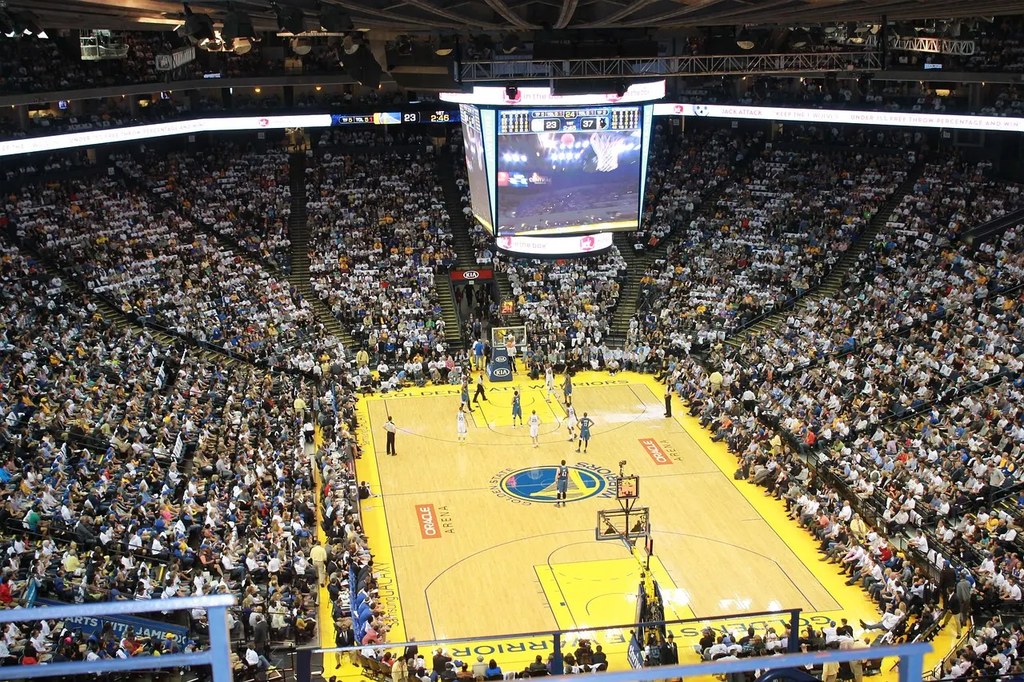
The first coast-to-coast televised sports event marked a significant milestone in broadcasting history, allowing viewers across the United States to watch a live sports competition simultaneously. This breakthrough was made possible by advancements in television technology and the completion of transcontinental broadcast infrastructure. The event not only united fans nationwide but also paved the way for the widespread popularity of televised sports, transforming how audiences experienced major athletic competitions in real time.
The first coast-to-coast televised sports event
The first coast-to-coast televised sports event marked a significant milestone in broadcasting history, allowing viewers across the United States to watch a live sports competition simultaneously. This breakthrough was made possible by advancements in television technology and the completion of transcontinental broadcast infrastructure. The event not only united fans nationwide but also paved the way for the widespread popularity of televised sports, transforming how audiences experienced major athletic competitions in real time.

💡 Key Takeaways
- Understand how coast-to-coast live broadcasts created a nationwide, shared sports experience.
- Learn the technological advances that made simultaneous national telecasts possible (transmission networks, signal synchronization).
- Explore the cultural and economic impact of televised sports on viewing habits and advertising.
- Identify the production and logistical challenges of early live broadcasts and how they were overcome.
❓ Frequently Asked Questions
What does a coast-to-coast telecast mean?
It means a live broadcast transmitted simultaneously to viewers across the United States—from coast to coast—via national networks and long-distance transmission links.
Why was the first coast-to-coast televised sports event a milestone?
It let people nationwide watch the same live game at the same time, marking a breakthrough in how broadcasts could reach a national audience.
What technologies helped make nationwide live sports possible?
Advances in broadcast networks, long-distance transmission links (like trunk lines), improved cameras and production setups, and synchronized feeds enabled simultaneous nationwide viewing.
How did this milestone influence future sports broadcasting?
It established a model for nationwide live sports, boosted the growth of sports media and advertising, and paved the way for more cross-country broadcasts.