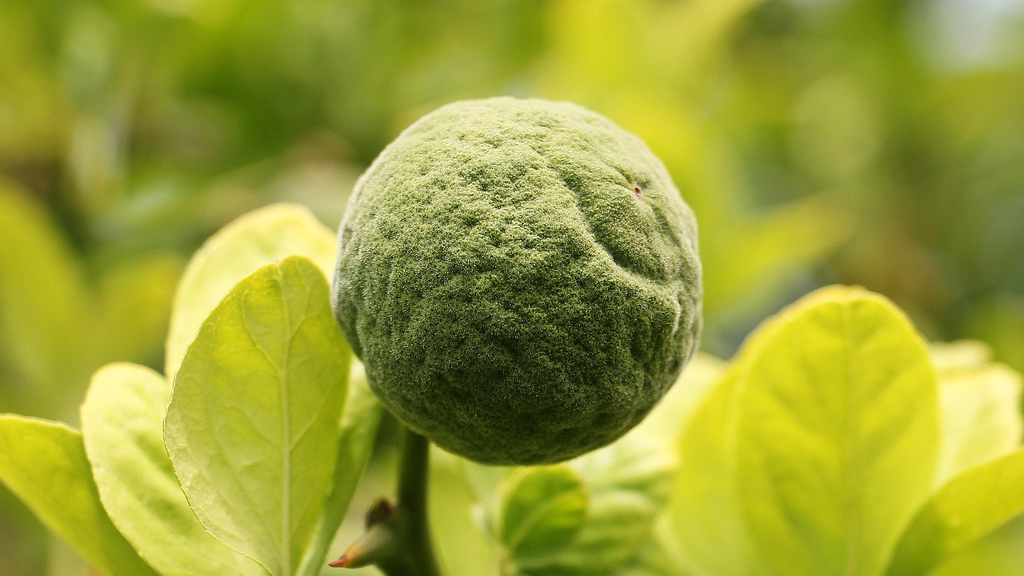
The phrase refers to the surprising historical fact that the original oranges, cultivated thousands of years ago in Southeast Asia, were not sweet and orange like the ones we know today. Instead, they were small, bitter, and green in color. Through centuries of selective breeding, farmers developed the sweeter, orange-colored varieties we are familiar with now. This fact often sounds unbelievable because it challenges our modern assumptions about such a common fruit.
The first oranges were bitter and green
The phrase refers to the surprising historical fact that the original oranges, cultivated thousands of years ago in Southeast Asia, were not sweet and orange like the ones we know today. Instead, they were small, bitter, and green in color. Through centuries of selective breeding, farmers developed the sweeter, orange-colored varieties we are familiar with now. This fact often sounds unbelievable because it challenges our modern assumptions about such a common fruit.
💡 Key Takeaways
- Understand that early oranges were often bitter and green, not the sweet orange we know today.
- Learn how genetic variation and selective breeding changed orange flavor, aroma, and color during domestication.
- Explore why ripe oranges turn orange and how pigments like carotenoids replace chlorophyll.
- Identify the difference between wild citrus traits and cultivated varieties.
- Recognize the role of climate, cultivation practices, and human preference in shaping orange fruit over time.
❓ Frequently Asked Questions
What is the difference between bitter oranges and sweet oranges?
Bitter oranges (Citrus × aurantium) are tart and typically used for zest, essential oils, or marmalade, not eaten fresh. Sweet oranges (Citrus × sinensis) are milder, juicier, and commonly eaten fresh or juiced.
Where did oranges originate and how did they spread worldwide?
Oranges originated in Southeast Asia. They spread to the Mediterranean, Africa, and the Americas over centuries through trade and cultivation, with sweet oranges arising from hybrids of mandarin and pomelo.
Why can ripe oranges stay green on the outside?
In warm climates, chlorophyll can persist in the rind, so the fruit may stay green even when ripe. Color is not always a reliable indicator of ripeness there.
What determines how sweet an orange tastes?
The fruit’s sugar content (glucose, fructose, sucrose), acidity levels, and the variety’s genetics—along with ripeness and growing conditions—shape sweetness.