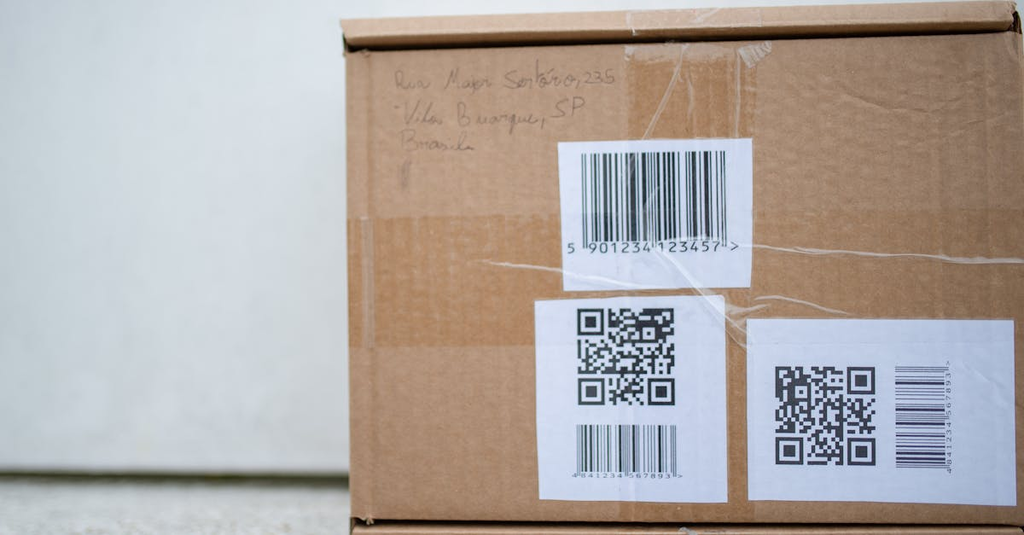
The phrase highlights an interesting historical fact: Wrigley's gum was the first product ever to have a barcode. This occurred in 1974 when a pack of Wrigley’s Juicy Fruit gum became the first item scanned using the Universal Product Code (UPC) at a supermarket checkout. It’s a surprising detail that sounds almost unbelievable, given how commonplace barcodes are today, and illustrates how technological innovations often begin with everyday products.
The first product to have a barcode was Wrigley's gum
The phrase highlights an interesting historical fact: Wrigley's gum was the first product ever to have a barcode. This occurred in 1974 when a pack of Wrigley’s Juicy Fruit gum became the first item scanned using the Universal Product Code (UPC) at a supermarket checkout. It’s a surprising detail that sounds almost unbelievable, given how commonplace barcodes are today, and illustrates how technological innovations often begin with everyday products.
💡 Key Takeaways
- Recall that Wrigley's gum was the first product to have a barcode scanned in retail history.
- Understand how barcode scanning sped up checkout and improved inventory accuracy.
- Learn at a high level how a barcode encodes data and how scanners read it.
- Identify common barcode standards (UPC, EAN) and why standardization matters in global commerce.
❓ Frequently Asked Questions
What was the first product to have a barcode?
Wrigley’s Juicy Fruit gum; its UPC was scanned on June 26, 1974, at a Marsh Supermarket in Troy, Ohio.
When and where was the first barcode scanned?
June 26, 1974, at a Marsh Supermarket in Troy, Ohio.
What barcode system was used for the first barcode?
The Universal Product Code (UPC), the precursor to UPC-A used on most retail products.
Why were barcodes introduced?
To automate product identification at checkout, speeding sales and improving inventory accuracy.
How did barcodes impact retail?
They enabled faster checkouts, easier price updates, and better stock management across stores.