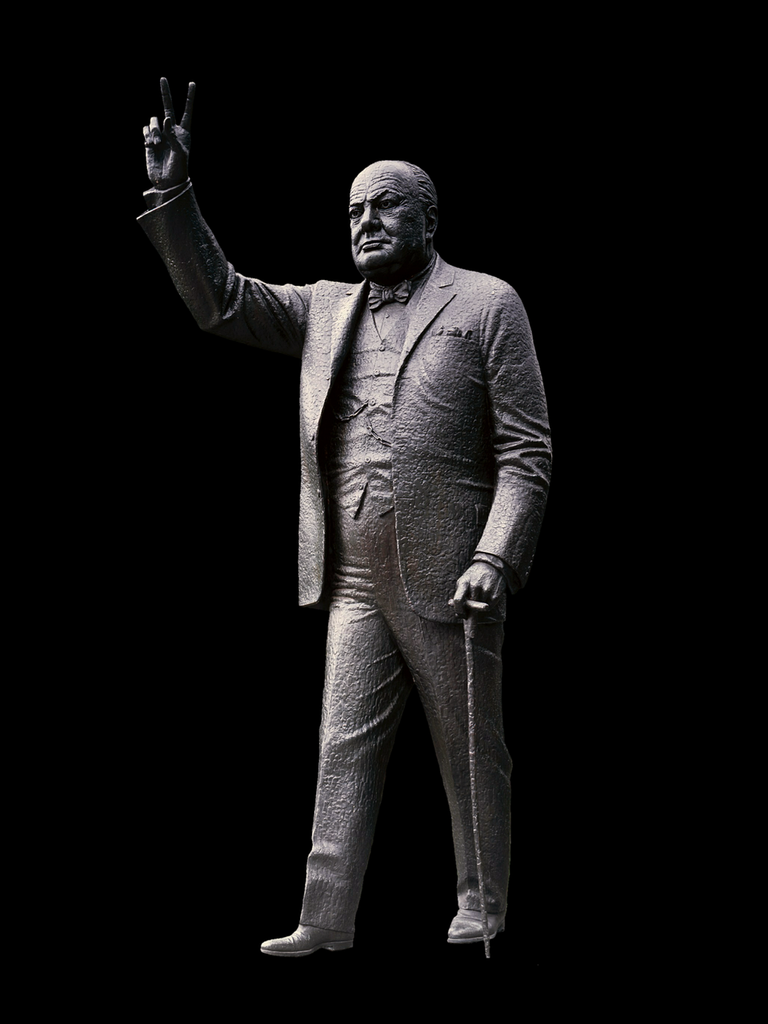
The phrase "OMG," commonly used today as an abbreviation for "Oh my God," was first recorded in a 1917 letter to Winston Churchill from British Admiral John Arbuthnot Fisher. In the letter, Fisher used "O.M.G." to express surprise or excitement. This historical fact is often surprising because many people assume "OMG" is a modern internet slang term, not realizing its origins date back over a century.
The first recorded use of OMG was in a letter to Winston Churchill
The phrase "OMG," commonly used today as an abbreviation for "Oh my God," was first recorded in a 1917 letter to Winston Churchill from British Admiral John Arbuthnot Fisher. In the letter, Fisher used "O.M.G." to express surprise or excitement. This historical fact is often surprising because many people assume "OMG" is a modern internet slang term, not realizing its origins date back over a century.
💡 Key Takeaways
- Learn what OMG stands for and its place in the history of slang and word formation.
- Explore the claim that OMG's first recorded use appeared in a letter to Winston Churchill and assess its reliability.
- Track how acronyms move from private correspondence to public conversation and digital shorthand.
- Discover historical methods for verifying language origins, including archival research and dating of documents.
❓ Frequently Asked Questions
What does OMG stand for?
OMG stands for 'Oh my God' and is often used as an exclamation of surprise. Some people also use it as 'Oh my goodness' for a softer tone.
What is the historical origin of OMG and its link to Churchill?
OMG is commonly cited as having an early written appearance in a 1917 letter to Winston Churchill, making it one of the first recorded uses. The exact origin is debated among researchers.
How did OMG move from letters to everyday digital use?
From handwritten notes to early correspondence and then online communication, OMG became popular on texting and social media as a quick way to express surprise or emphasis.
Is it appropriate to use OMG in formal or professional writing?
Generally, avoid OMG in formal writing. In casual contexts or when quoting historical material, it may be acceptable; otherwise, spell out 'oh my God' to stay clear and respectful.