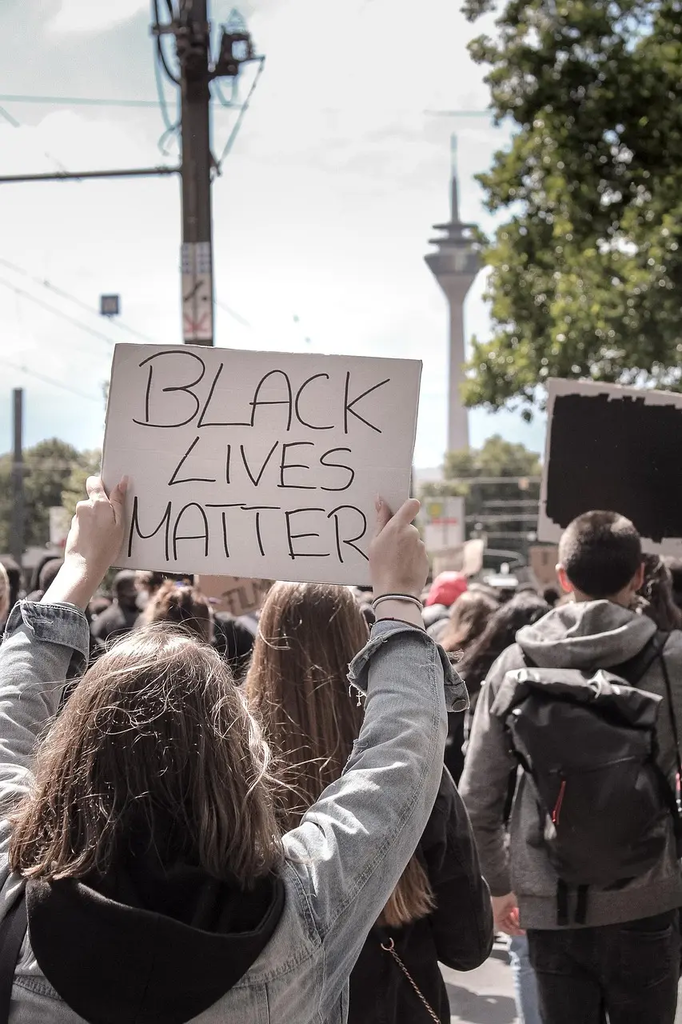
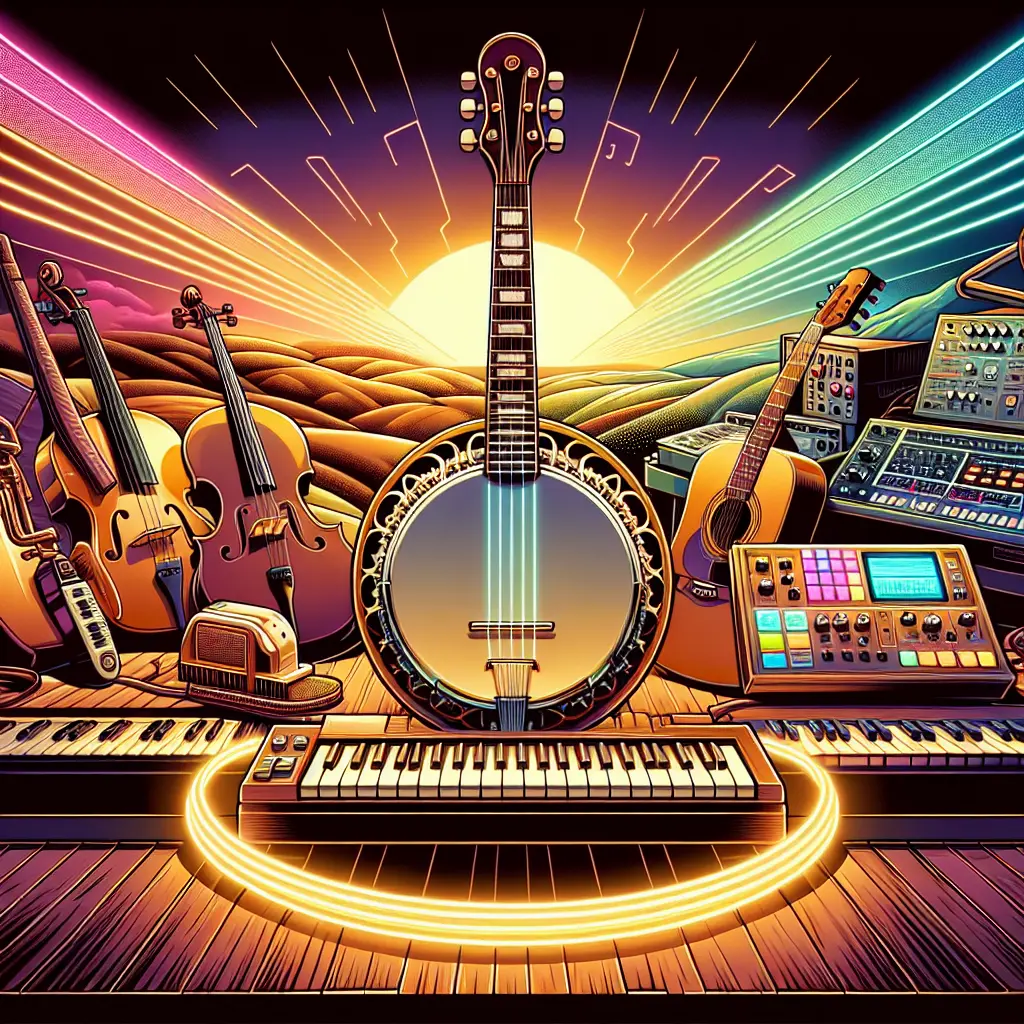
The Folk Revival and the Greenwich Village Scene refer to a cultural movement during the late 1950s and 1960s when traditional folk music experienced renewed popularity. Greenwich Village in New York City became the epicenter for emerging artists, songwriters, and activists. Musicians like Bob Dylan and Joan Baez performed in local coffeehouses, blending folk traditions with contemporary themes of social change, civil rights, and protest, shaping American music and culture for decades.
The Folk Revival and the Greenwich Village Scene
The Folk Revival and the Greenwich Village Scene refer to a cultural movement during the late 1950s and 1960s when traditional folk music experienced renewed popularity. Greenwich Village in New York City became the epicenter for emerging artists, songwriters, and activists. Musicians like Bob Dylan and Joan Baez performed in local coffeehouses, blending folk traditions with contemporary themes of social change, civil rights, and protest, shaping American music and culture for decades.
💡 Key Takeaways
- Understand the rise of the Folk Revival in the late 1950s–1960s and its effect on traditional folk music
- Learn why Greenwich Village in New York City became a central hub for artists, venues, and activism
- Identify influential figures like Bob Dylan and how their songwriting shaped the movement
- Explore how the movement connected music to social and political issues and influenced the broader American music landscape
❓ Frequently Asked Questions
What was the Folk Revival?
A late-1950s–1960s cultural movement renewing interest in traditional folk music, blending acoustic performance with new songwriter-led material and social themes.
Why was Greenwich Village central to the scene?
Greenwich Village in New York City became a hub of clubs, coffeehouses, and activist communities where artists could perform, collaborate, and connect with audiences.
Who were key figures associated with the revival?
Notable artists include Bob Dylan, Joan Baez, Pete Seeger, and other emerging singer-songwriters who popularized folk music and its social messages.
How did the movement affect music and culture?
It expanded folk beyond traditional tunes to include original songs and political commentary, influencing later folk-rock and inspiring social activism.
What distinguishes the Folk Revival from earlier folk traditions?
The revival merged traditional melodies with contemporary songwriting and activism, using folk as a vehicle for current social issues and storytelling.