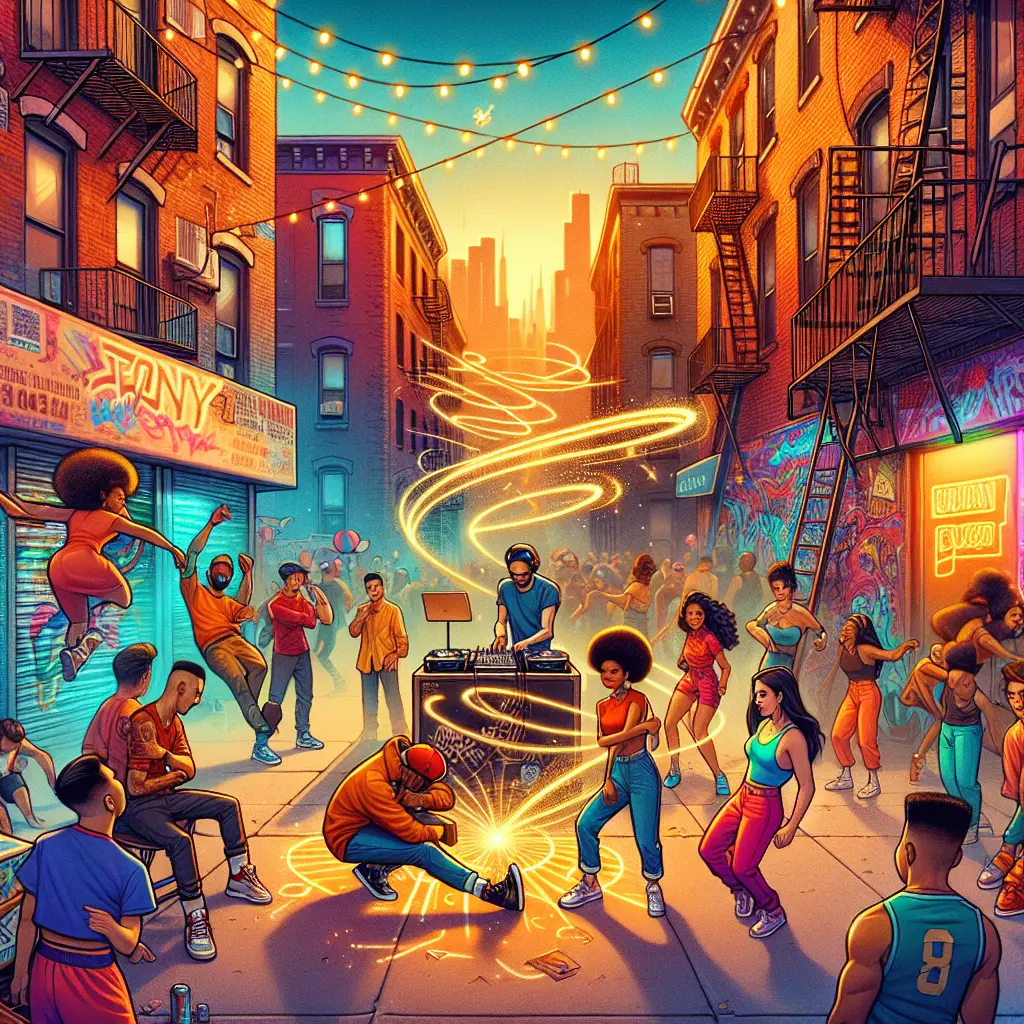
The phrase explores how artificial intelligence, music stems (isolated audio tracks), and open remix cultures are transforming creative authorship. AI tools now assist or even generate original works, while access to stems enables deeper collaboration and reinterpretation of music. Open remix cultures encourage sharing, adaptation, and collective creation, challenging traditional notions of ownership and originality. Together, these trends are reshaping how creators, audiences, and industries define and value authorship in the digital age.
The Future of Authorship: AI, Stems, and Open Remix Cultures
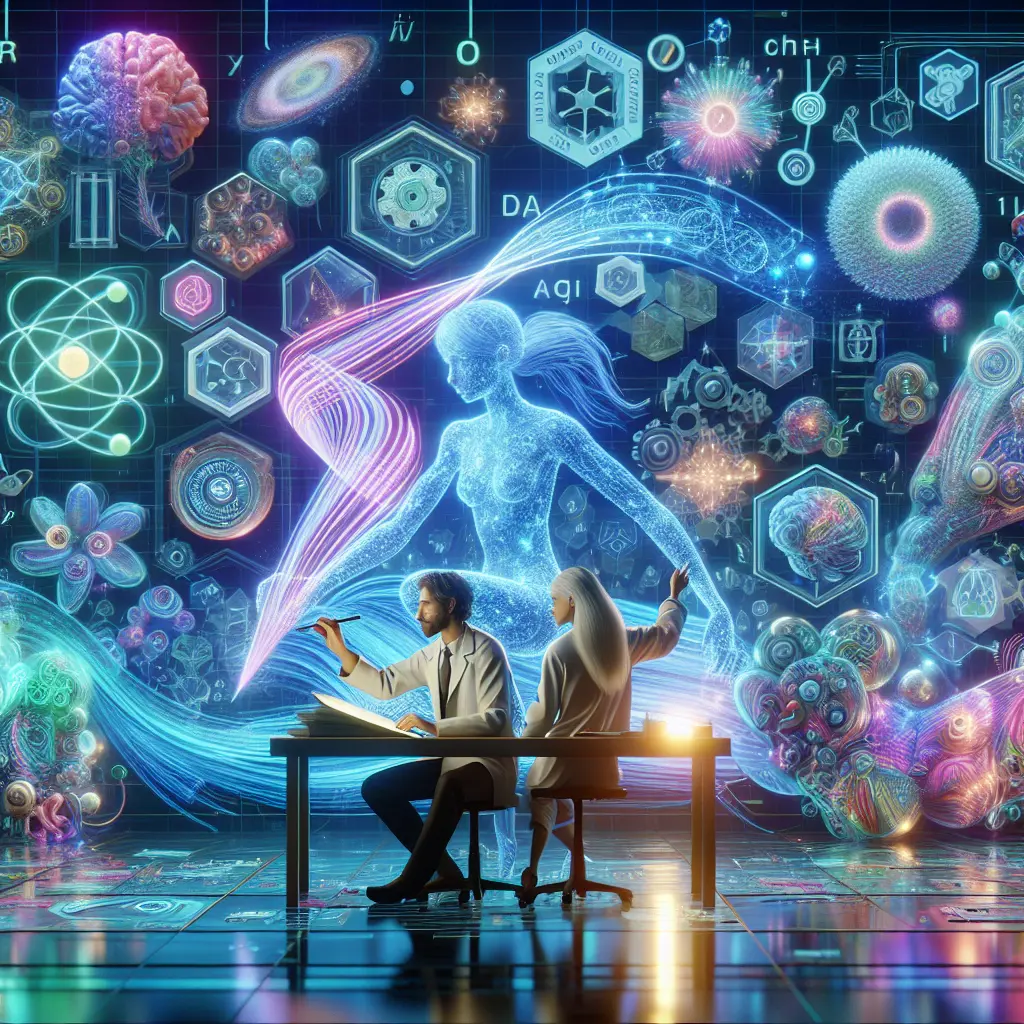
The phrase explores how artificial intelligence, music stems (isolated audio tracks), and open remix cultures are transforming creative authorship. AI tools now assist or even generate original works, while access to stems enables deeper collaboration and reinterpretation of music. Open remix cultures encourage sharing, adaptation, and collective creation, challenging traditional notions of ownership and originality. Together, these trends are reshaping how creators, audiences, and industries define and value authorship in the digital age.
💡 Key Takeaways
- Understand how AI tools are shaping authorship by co-creating or generating music.
- Learn what music stems are and how isolated tracks enable deeper remixing and reinterpretation.
- Explore open remix culture, licensing, attribution, and transparent collaboration practices.
- Consider ethical, legal, and practical implications of AI-assisted, stem-based music creation.
❓ Frequently Asked Questions
What is AI-assisted authorship in music?
AI tools help create music by generating melodies, rhythms, or textures. The human creator still makes decisions and edits; ownership and rights depend on the tool's terms and how you use prompts.
What are music stems and why are they important for remixing?
Stems are separate audio tracks (drums, bass, vocals, etc.). They let you remix or reinterpret a song more flexibly and enable deeper collaboration by allowing parts to be swapped or reassembled.
What is open remix culture?
Open remix culture encourages sharing, reusing, and rebuilding existing music under open or permissive licenses. It emphasizes attribution, consent, and collaborative creation.
How do AI and stems affect originality and rights?
Originality comes from your creative input (prompts, edits, arrangement). Rights depend on the tool’s license and the stems’ terms—always check licenses and attribute when required.