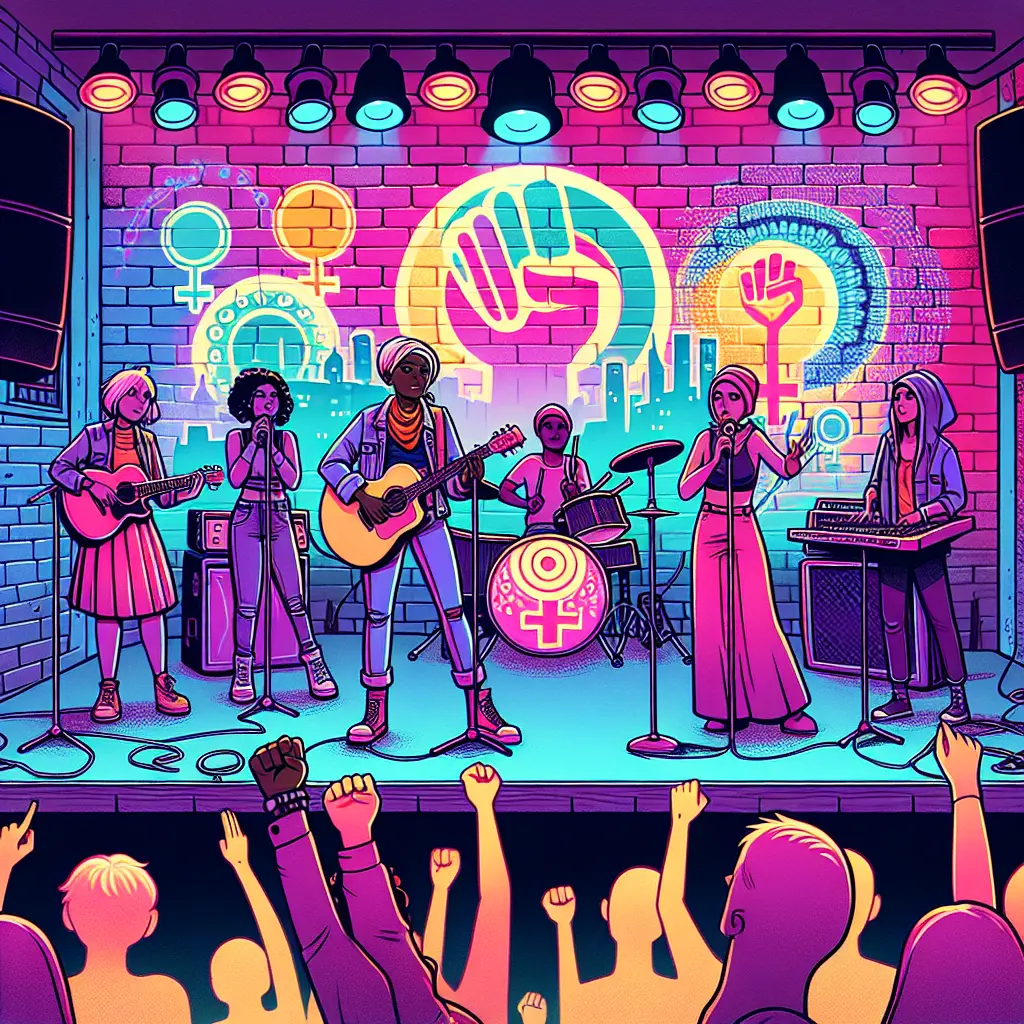
The future of UK music education and training is poised for innovation, integrating technology and diverse musical genres to engage a broader range of students. Emphasis on inclusivity, digital resources, and industry partnerships aims to prepare learners for evolving creative careers. While challenges such as funding and accessibility remain, ongoing reforms and community initiatives seek to ensure high-quality, relevant music education for all, fostering creativity and lifelong appreciation for music.
The future of UK music education and training
The future of UK music education and training is poised for innovation, integrating technology and diverse musical genres to engage a broader range of students. Emphasis on inclusivity, digital resources, and industry partnerships aims to prepare learners for evolving creative careers. While challenges such as funding and accessibility remain, ongoing reforms and community initiatives seek to ensure high-quality, relevant music education for all, fostering creativity and lifelong appreciation for music.

💡 Key Takeaways
- How tech innovations are reshaping UK music education and training.
- Why including diverse genres and cultures improves inclusivity and student engagement.
- How digital resources and online platforms widen access to music learning.
- What industry partnerships offer in preparing learners for evolving careers in music.
❓ Frequently Asked Questions
What is driving the future of UK music education?
Technology, diverse music genres, inclusivity, digital resources, and stronger industry partnerships are driving innovation in teaching and training.
How will technology change music training in the UK?
It enables personalized learning, online collaboration, digital tools for composition and performance, and broader access to resources.
Why is inclusivity important in the future of music education?
Inclusive practices ensure participation from all backgrounds and abilities, broadening talent pools and reflecting UK society.
What role do industry partnerships play in learner preparation?
Partnerships provide real-world experience, mentoring, internships, and insight into careers in performance, production, and arts education.