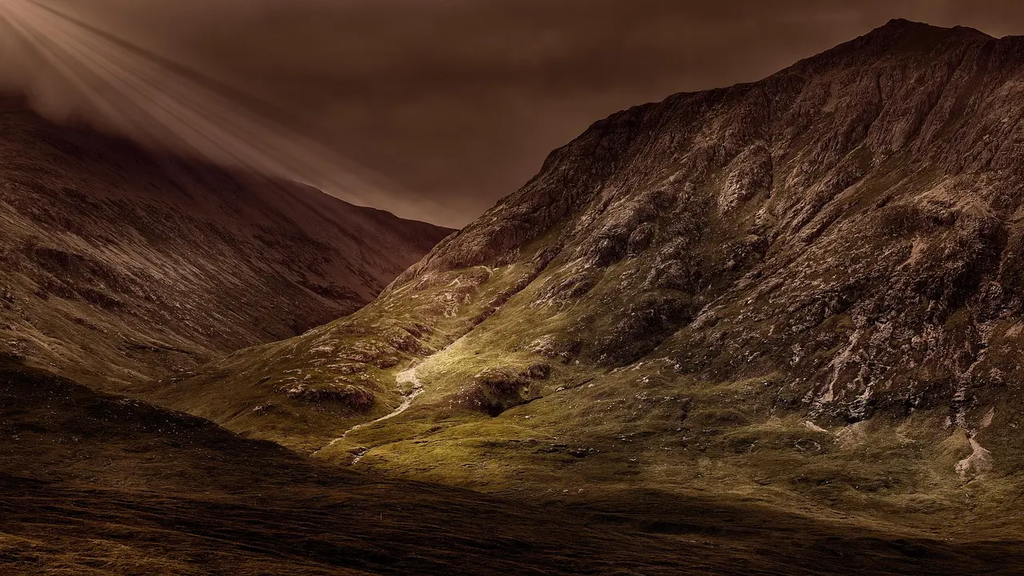
The Glencoe Massacre occurred in 1692 in the Scottish Highlands, when government troops, acting on orders from King William III, killed around 38 members of the MacDonald clan of Glencoe. The massacre was a punitive act for the clan’s delayed pledge of allegiance to the king after the Jacobite uprising. The event is infamous for the betrayal of Highland hospitality, as the soldiers had stayed with the MacDonalds before attacking them.
The Glencoe Massacre
The Glencoe Massacre occurred in 1692 in the Scottish Highlands, when government troops, acting on orders from King William III, killed around 38 members of the MacDonald clan of Glencoe. The massacre was a punitive act for the clan’s delayed pledge of allegiance to the king after the Jacobite uprising. The event is infamous for the betrayal of Highland hospitality, as the soldiers had stayed with the MacDonalds before attacking them.
💡 Key Takeaways
- Understand the historical context of the Glencoe Massacre in 1692 Scotland.
- Identify the main parties involved (the MacDonald of Glencoe clan and government troops) and the sequence of events that led to the attack.
- Explore the massacre's lasting impact on Scottish history, memory, and the ethics of political violence.
- Differentiate between myth and fact by examining primary sources and varied historical interpretations.
❓ Frequently Asked Questions
What was the Glencoe Massacre?
A 1692 incident in Scotland where soldiers from Campbell's Regiment killed members of the MacDonald of Glencoe clan after hospitality was extended, but the MacDonalds hadn’t sworn allegiance to the new rulers quickly enough.
When did it happen?
February 13, 1692.
Who carried it out and why?
Soldiers in Campbell's Regiment, under orders from William III, acted to enforce loyalty to the new regime after the MacDonalds were slow to swear allegiance.
How many were killed and who were the victims?
About 38 adult men were killed in Glencoe; many women and children died shortly after due to exposure, bringing total deaths to around 40.
What is the significance of the Glencoe Massacre?
It is remembered as a betrayal and a symbol of the Crown’s brutal suppression of Highland clans, shaping Scottish history and clan relations.