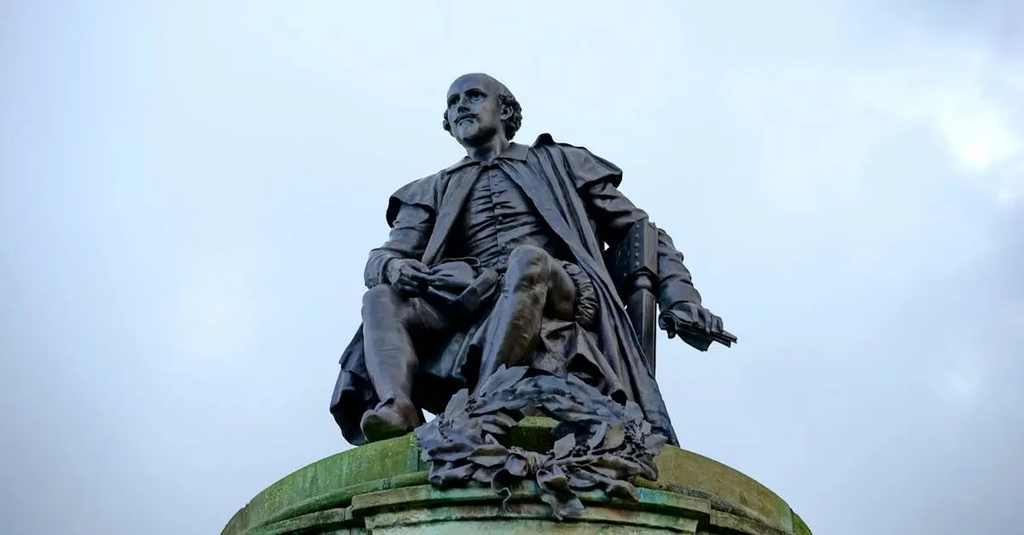
The Globe Theatre was a renowned playhouse in London associated with William Shakespeare and the flourishing of Elizabethan drama during the late 16th and early 17th centuries. Built in 1599, it became a cultural hub where audiences enjoyed innovative plays featuring complex characters, poetic language, and themes reflecting the social and political climate of the era. The Globe symbolizes the creativity and vibrancy of English Renaissance theatre.
The Globe Theatre and Elizabethan drama
The Globe Theatre was a renowned playhouse in London associated with William Shakespeare and the flourishing of Elizabethan drama during the late 16th and early 17th centuries. Built in 1599, it became a cultural hub where audiences enjoyed innovative plays featuring complex characters, poetic language, and themes reflecting the social and political climate of the era. The Globe symbolizes the creativity and vibrancy of English Renaissance theatre.

💡 Key Takeaways
- Recognize the Globe Theatre as a central venue for Shakespeare and Elizabethan drama in London (late 16th–early 17th centuries).
- Explain how Elizabethan plays at the Globe featured complex characters and poetic language.
- Describe the Globe's open-air, thrust-stage design and how it shaped performances and audience experience.
- Appreciate how the Globe and Elizabethan drama have influenced British culture and theatre today.
❓ Frequently Asked Questions
What is the Globe Theatre and when was it built?
The Globe Theatre was a famous Elizabethan playhouse in London, built in 1599 by Shakespeare's acting company (the Lord Chamberlain's Men, later the King's Men) and a center of public drama.
What role did the Globe Theatre play in Elizabethan drama?
It was a cultural hub where Shakespeare and others staged innovative plays that featured complex characters and rich, poetic language, helping shape the era's dramatic style.
How were performances at the Globe Theatre experienced by audiences?
The open-air theatre had a thrust stage with groundlings standing in the yard and wealthier patrons in the galleries; productions relied on language, verse, and effects rather than elaborate scenery.
What is Shakespeare's connection to the Globe Theatre?
Shakespeare wrote and had many of his plays performed there as part of his acting company, making the Globe central to his theatrical legacy.