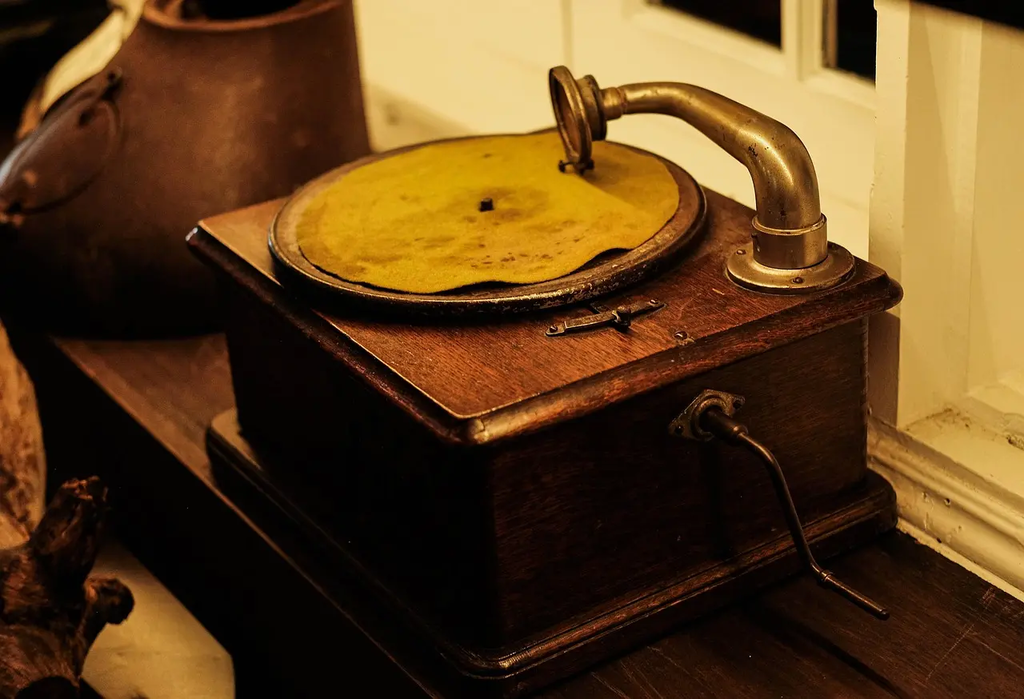
The GPS, or Global Positioning System, is an iconic invention that revolutionized navigation and location tracking. Developed originally for military use, it utilizes a network of satellites to provide real-time geographic positioning anywhere on Earth. GPS technology is now integral to everyday life, powering navigation in cars, smartphones, and various devices. Its accuracy and reliability have transformed transportation, logistics, emergency response, and countless other fields, making it a cornerstone of modern technology.
The GPS
The GPS, or Global Positioning System, is an iconic invention that revolutionized navigation and location tracking. Developed originally for military use, it utilizes a network of satellites to provide real-time geographic positioning anywhere on Earth. GPS technology is now integral to everyday life, powering navigation in cars, smartphones, and various devices. Its accuracy and reliability have transformed transportation, logistics, emergency response, and countless other fields, making it a cornerstone of modern technology.
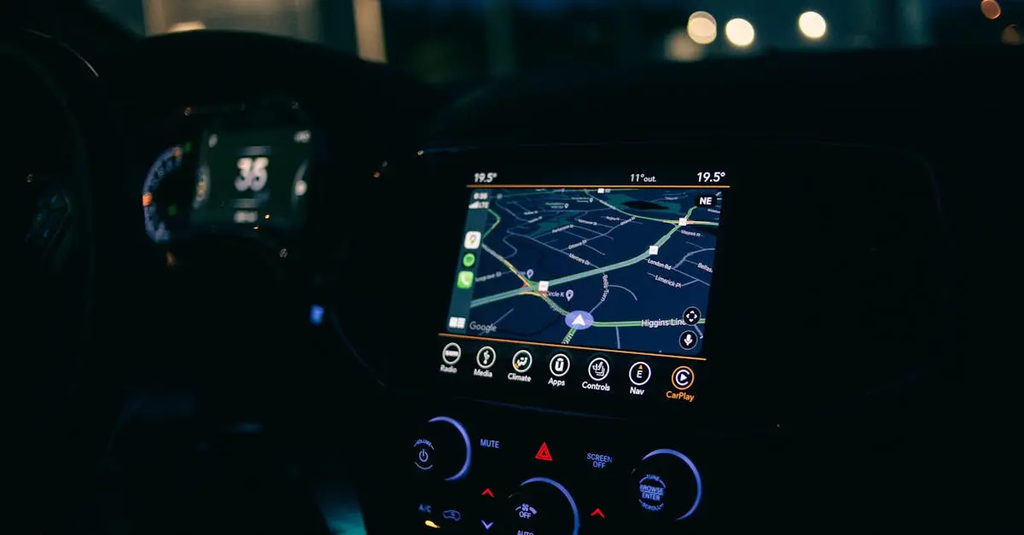
💡 Key Takeaways
- Understand GPS: what it is and what it is used for (location, speed, and time).
- Learn how GPS uses satellite signals and timing to compute your position.
- Know what affects GPS accuracy (obstructions, multipath signals, atmospheric effects) and quick ways to improve it.
- Explore common GPS applications in daily life, such as navigation, mapping, and device tracking.
❓ Frequently Asked Questions
What is GPS?
GPS stands for Global Positioning System. It is a satellite-based system that provides location and time information anywhere on or near the Earth, as long as your receiver has a clear view of at least four satellites.
How does GPS determine your location?
A GPS receiver measures how long signals take to reach it from several satellites, converts that time into distances, and uses the known positions of those satellites to calculate latitude, longitude, altitude, and time.
What can affect GPS accuracy?
Obstructions (buildings, dense trees), multipath reflections, atmospheric delays, clock errors, and satellite geometry can reduce accuracy—urban canyons and indoors are common trouble spots.
How can you improve GPS accuracy?
Get a clearer sky view, wait for a stable fix, and use augmentation options like WAAS/EGNOS or DGPS/RTK when available, plus keeping the device firmware updated.