The greenhouse effect on Venus is an extreme example within the solar system, where thick clouds of carbon dioxide trap heat from the Sun. This trapped heat causes surface temperatures to soar above 460°C (860°F), making Venus the hottest planet. The dense atmosphere prevents heat from escaping, creating a runaway greenhouse effect that drastically alters the planet’s climate, making it inhospitable and highlighting the powerful impact greenhouse gases can have on planetary environments.
The Greenhouse Effect on Venus
The greenhouse effect on Venus is an extreme example within the solar system, where thick clouds of carbon dioxide trap heat from the Sun. This trapped heat causes surface temperatures to soar above 460°C (860°F), making Venus the hottest planet. The dense atmosphere prevents heat from escaping, creating a runaway greenhouse effect that drastically alters the planet’s climate, making it inhospitable and highlighting the powerful impact greenhouse gases can have on planetary environments.
💡 Key Takeaways
- Explain how Venus' thick CO2 atmosphere traps heat to drive a runaway greenhouse effect.
- Describe the roles of sulfuric acid clouds and extreme surface pressure in Venus' scorching conditions.
- Compare Venus' greenhouse effect with Earth's to understand why two planets with similar sunlight have such different climates.
- Explain how solar radiation, albedo, and atmospheric composition together set Venus' energy balance.
❓ Frequently Asked Questions
What is the greenhouse effect and how does it affect Venus?
The greenhouse effect is heat trapped by atmospheric gases. On Venus, a thick CO2 atmosphere and clouds trap infrared radiation, causing extreme warming and a hot, high-pressure surface.
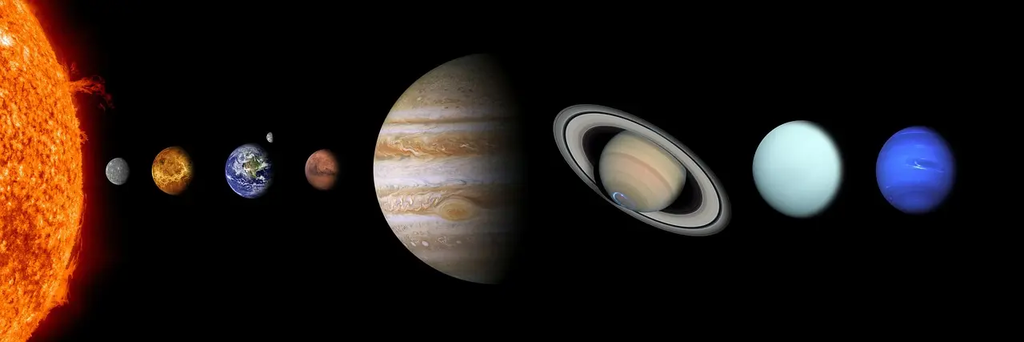
Why is Venus hotter than Mercury even though Mercury is closer to the Sun?
Venus has a dense CO2 atmosphere that traps heat (strong greenhouse effect) and a thick cloud layer. Mercury has almost no atmosphere, so it cannot retain heat as effectively.
Which gases dominate Venus's greenhouse effect?
Carbon dioxide (about 96–97%) is the main driver of Venus's greenhouse effect. Trace gases and sulfuric acid clouds contribute less to heating but shape the climate.
What are Venus's surface conditions like in terms of pressure and composition?
Surface pressure is about 92 times Earth's. The atmosphere is mostly CO2 (~96–97%), with nitrogen and trace gases making up the rest.