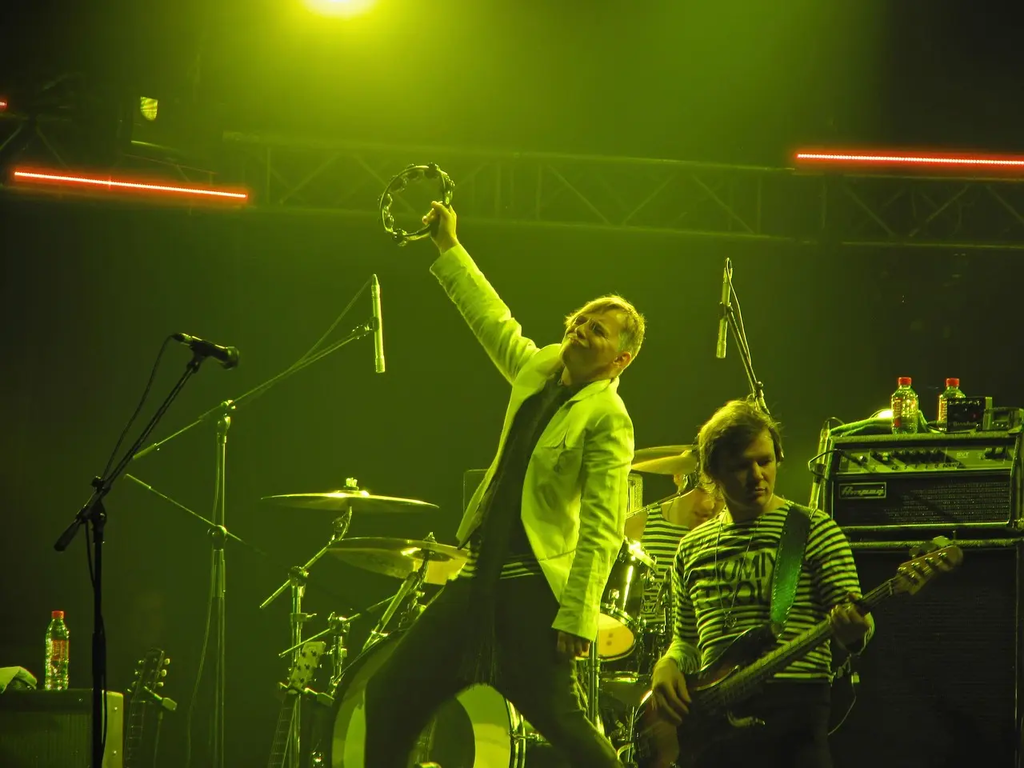
The Grunge Movement emerged in the late 1980s and early 1990s, centered in Seattle, blending punk rock’s raw energy with heavy metal’s distorted guitar sounds. Characterized by angst-filled lyrics and a slouchy, unpolished aesthetic, it rejected mainstream glamor. Iconic bands like Nirvana, Pearl Jam, Soundgarden, and Alice in Chains defined the genre, with figures such as Kurt Cobain becoming cultural symbols. Grunge’s influence reshaped alternative music and fashion worldwide.
The Grunge Movement
The Grunge Movement emerged in the late 1980s and early 1990s, centered in Seattle, blending punk rock’s raw energy with heavy metal’s distorted guitar sounds. Characterized by angst-filled lyrics and a slouchy, unpolished aesthetic, it rejected mainstream glamor. Iconic bands like Nirvana, Pearl Jam, Soundgarden, and Alice in Chains defined the genre, with figures such as Kurt Cobain becoming cultural symbols. Grunge’s influence reshaped alternative music and fashion worldwide.

💡 Key Takeaways
- Understand the defining sound and aesthetics of the Grunge movement, including distorted guitars, snarled vocals, and sludgy production.
- Identify key bands and albums that shaped grunge, such as Nirvana, Pearl Jam, Soundgarden, and Mudhoney, and their influence.
- Explain how Grunge emerged from Seattle in the early 1990s and reflected the era's cultural mood.
- Describe how Grunge fused punk rock and heavy metal influences and challenged mainstream rock norms.
- Describe the impact of Grunge on fashion, media, and the music industry, including DIY ethos and anti-commercial stance.
❓ Frequently Asked Questions
What is grunge, and where did it originate?
Grunge is a rock movement that began in Seattle in the late 1980s and rose to prominence in the early 1990s, blending punk energy with heavy metal influences and a DIY, anti-commercial ethos.
Which bands are most associated with grunge?
Core acts include Nirvana, Pearl Jam, Soundgarden, and Alice in Chains, with Seattle’s Sub Pop roster (like Mudhoney) also key to the scene.
What are the defining musical characteristics of grunge?
Heavy, distorted guitars, dynamic shifts between loud and soft sections, raw production, and angst-filled lyrics.
How did grunge influence fashion and culture?
Grunge popularized thrift-store fashion (flannel shirts, ripped jeans, combat boots) and a DIY, anti-glamour stance that emphasized authenticity.