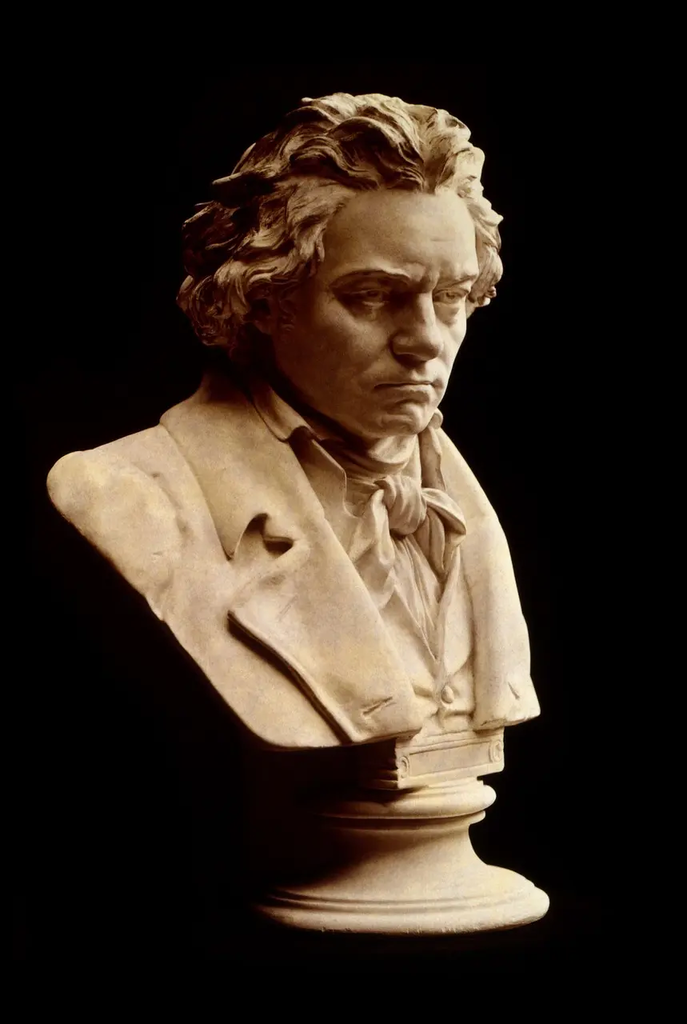
The phrase "The History of Avant-Garde Music (Music & Icons)" refers to the exploration and documentation of innovative, experimental music that challenges traditional boundaries and conventions. It highlights key artists, movements, and milestones that have shaped avant-garde music over time. This history delves into the evolution of sound, techniques, and artistic philosophies, showcasing how avant-garde music has influenced broader musical landscapes and become iconic within the realm of creative expression.
The History of Avant-Garde Music
The phrase "The History of Avant-Garde Music (Music & Icons)" refers to the exploration and documentation of innovative, experimental music that challenges traditional boundaries and conventions. It highlights key artists, movements, and milestones that have shaped avant-garde music over time. This history delves into the evolution of sound, techniques, and artistic philosophies, showcasing how avant-garde music has influenced broader musical landscapes and become iconic within the realm of creative expression.

💡 Key Takeaways
- Identify key milestones in the history of avant-garde music from the early 20th century to the present.
- Explain how composers challenged traditional tonality, rhythm, and form through experimentation.
- Name influential figures and landmark works that shaped the avant-garde movement.
- Describe how technology and multimedia (electroacoustic, tape, live electronics) influenced avant-garde composition.
❓ Frequently Asked Questions
What does 'avant-garde' mean in music?
Avant-garde music is experimental and boundary-pushing, challenging traditional harmony, form, and performance norms.
When did avant-garde music begin and who were early pioneers?
Its roots are in the late 19th to early 20th century Europe, with precursors like Erik Satie and early innovators such as Arnold Schoenberg, Alban Berg, Anton Webern, and Edgard Varèse.
What are common techniques used in avant-garde music?
Techniques include atonality, serialism, chance/aleatoric music, musique concrète, tape/electronic sounds, and later minimalism.
How does avant-garde differ from traditional classical music?
It often abandons traditional tonality and formal expectations to explore new sounds, textures, and ways of listening.
Who are notable figures and works to know?
Key figures: Schoenberg (twelve-tone technique), Webern, Varèse, Cage, Stockhausen, Boulez, Reich, Glass. Notable works: Schoenberg's Pierrot Lunaire; Varèse's Poème électronique; Stockhausen's Gesang der Jünglinge; Reich's Music for 18 Musicians.