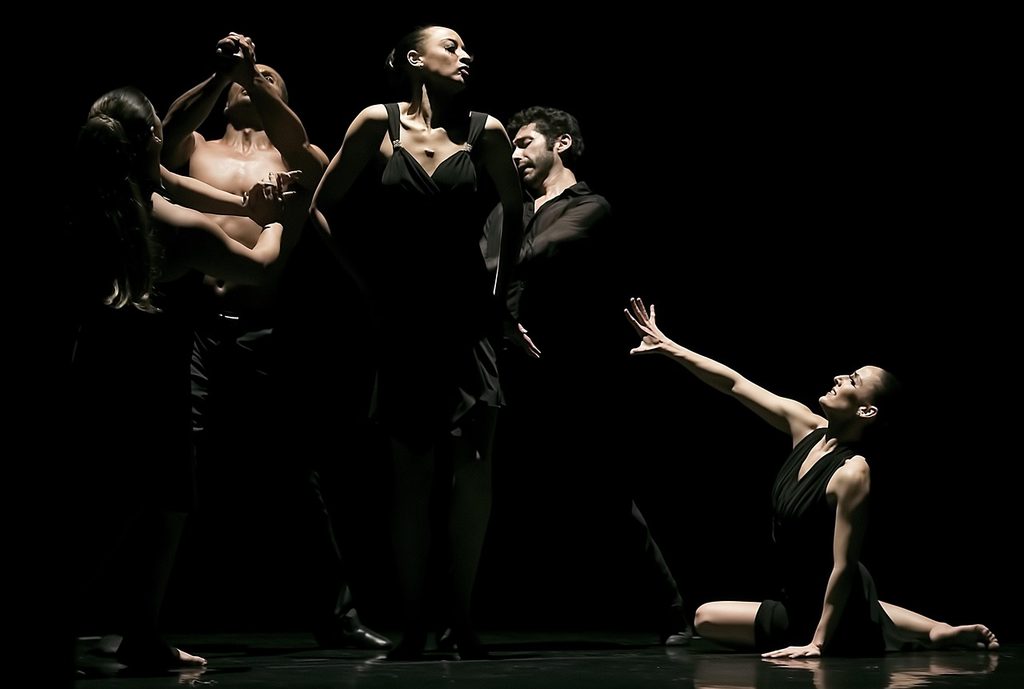
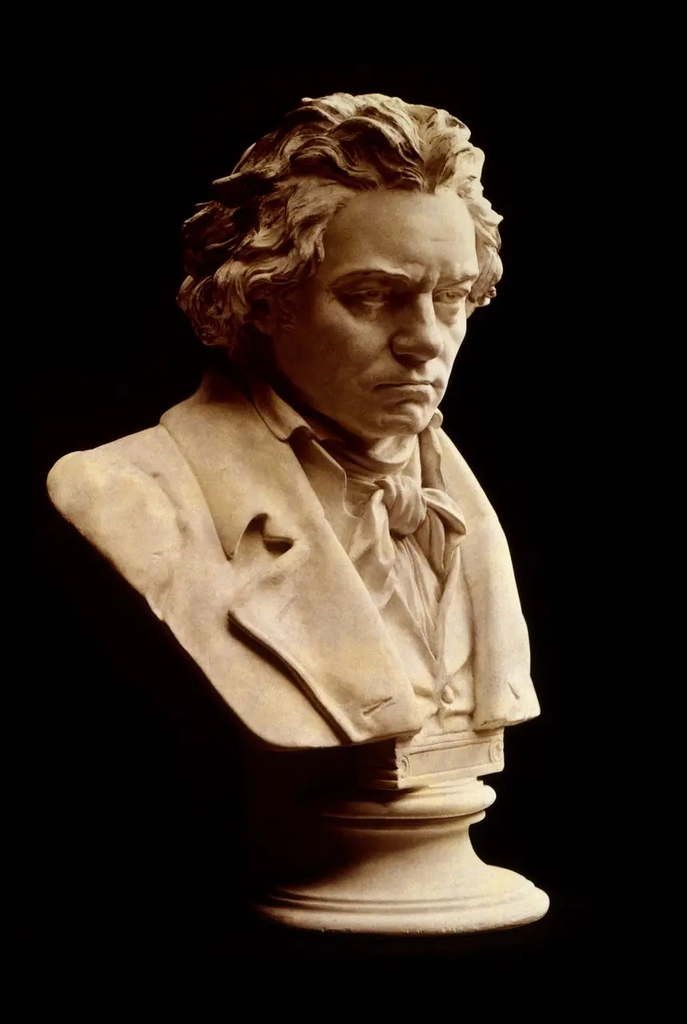
The history of opera traces its origins to late 16th-century Italy, blending music, drama, and stagecraft into a powerful art form. Early composers like Monteverdi set the foundation, while later figures such as Mozart, Verdi, and Wagner expanded its expressive range. Opera evolved through Baroque, Classical, Romantic, and modern periods, producing iconic works and legendary performers. Today, opera remains a celebrated genre, renowned for its emotional depth, grand productions, and enduring cultural impact.
The History of Opera
The history of opera traces its origins to late 16th-century Italy, blending music, drama, and stagecraft into a powerful art form. Early composers like Monteverdi set the foundation, while later figures such as Mozart, Verdi, and Wagner expanded its expressive range. Opera evolved through Baroque, Classical, Romantic, and modern periods, producing iconic works and legendary performers. Today, opera remains a celebrated genre, renowned for its emotional depth, grand productions, and enduring cultural impact.
💡 Key Takeaways
- Trace the origins of opera in 17th-century Italy and its rise as a dramatic art form.
- Understand how musical forms like recitative and aria advanced storytelling.
- Explore major stylistic eras from Baroque to bel canto and Romantic opera.
- Identify landmark composers and works that shaped opera's history.
❓ Frequently Asked Questions
What is opera?
A form of theatre that combines singing, orchestral music, drama, and stage action to tell a story.
Where and when did opera originate?
Opera began in late 16th-century Italy, developed by the Florentine Camerata to revive ancient Greek drama through music and text.
What is the difference between opera seria and opera buffa?
Opera seria is serious and heroic, with ornate singing; opera buffa is lighter, comic, with everyday characters.
Name a few important composers and a famous work from each era.
Monteverdi — Orfeo (1607); Mozart — The Magic Flute (1791); Verdi — La Traviata (1853).
What is a libretto?
The text or script of an opera, written by a librettist, that the composer sets to music.