The history of supermarkets' private labels dates back to the early 20th century, when retailers began offering products under their own brand names to compete with national brands. Initially seen as low-cost alternatives, private labels have evolved in quality and variety, becoming significant revenue drivers for supermarkets. Today, they encompass a wide range of goods, often positioned as premium or specialty items, reflecting changing consumer preferences and increasing retailer influence in the marketplace.
The history of supermarkets' private labels
The history of supermarkets' private labels dates back to the early 20th century, when retailers began offering products under their own brand names to compete with national brands. Initially seen as low-cost alternatives, private labels have evolved in quality and variety, becoming significant revenue drivers for supermarkets. Today, they encompass a wide range of goods, often positioned as premium or specialty items, reflecting changing consumer preferences and increasing retailer influence in the marketplace.
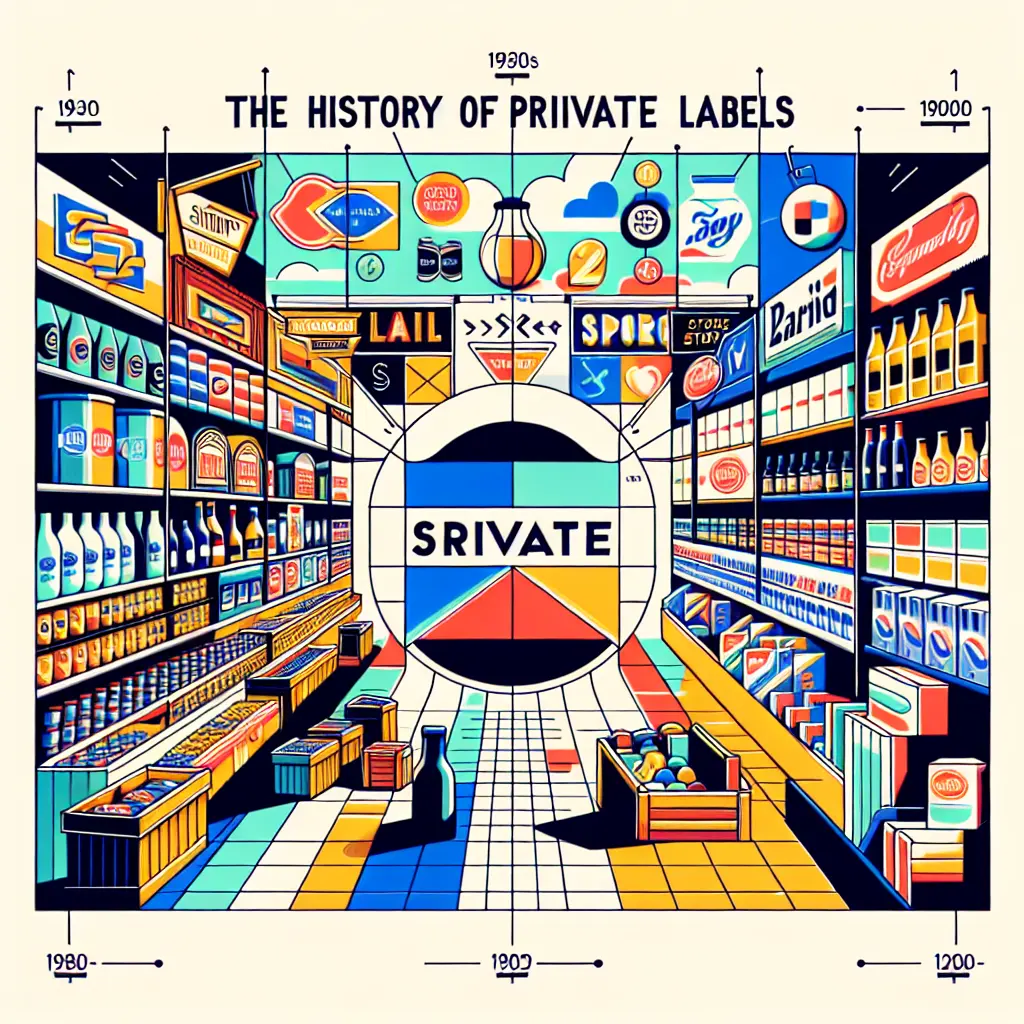
💡 Key Takeaways
- Trace the emergence of store-brand/private-label products in U.S. supermarkets in the early 20th century and why retailers adopted them.
- Understand why private labels were marketed as lower-cost options and how that positioning influenced consumer choices.
- See how private labels evolved from basic ranges to high-quality, diverse offerings that compete with major national brands.
- Explore how private labels reshaped pricing, supply chains, and competition in the American grocery landscape.
❓ Frequently Asked Questions
What are private labels or store brands in supermarkets?
Private labels are products sold under a retailer's own brand name, typically produced by manufacturers for that retailer. They are usually priced lower than national brands.
When did supermarket private labels begin in the United States?
Private labels began in the early 20th century as retailers sought to compete with national brands by offering their own products.
How did the perception and quality of private labels evolve over time?
They started as low-cost alternatives and have evolved to include higher-quality and broader product ranges, with premium lines that compete with major brands.
Why are private labels important for retailers today?
Private labels are a significant revenue source and profit driver, helping retailers differentiate from national brands, control pricing and quality, and meet diverse shopper needs.