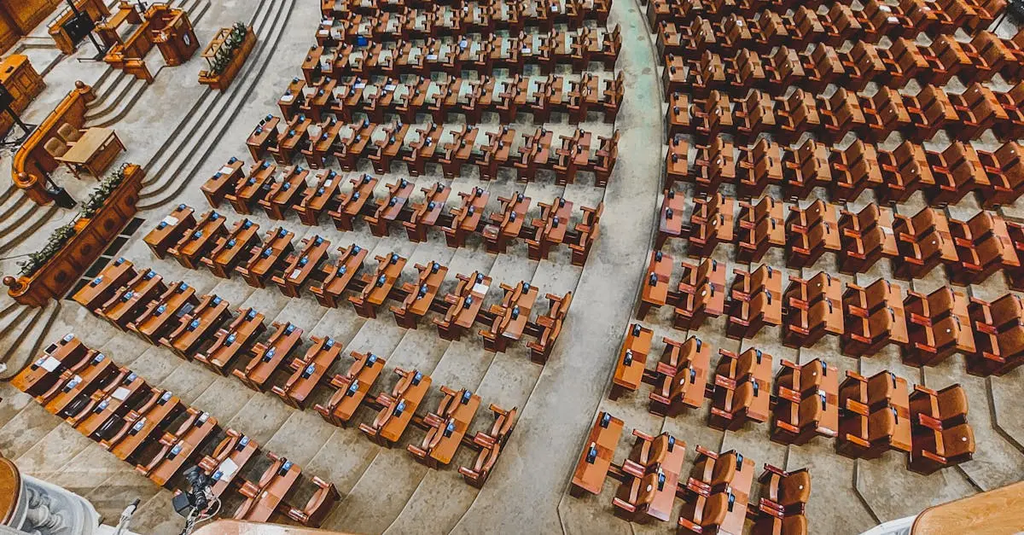
The House of Lords reform and debates refer to ongoing discussions and legislative efforts aimed at changing the composition, powers, and role of the United Kingdom’s upper parliamentary chamber. These debates focus on issues such as hereditary peerages, appointed versus elected members, and the overall function of the Lords in modern democracy. Reform proposals seek to enhance legitimacy, transparency, and effectiveness, but have faced political disagreements and slow progress over many decades.
The House of Lords reform and debates
The House of Lords reform and debates refer to ongoing discussions and legislative efforts aimed at changing the composition, powers, and role of the United Kingdom’s upper parliamentary chamber. These debates focus on issues such as hereditary peerages, appointed versus elected members, and the overall function of the Lords in modern democracy. Reform proposals seek to enhance legitimacy, transparency, and effectiveness, but have faced political disagreements and slow progress over many decades.

💡 Key Takeaways
- Understand the purpose and evolving role of the House of Lords in UK lawmaking and oversight.
- Examine hereditary peerages and how debates on their reform relate to equality and democratic legitimacy.
- Compare appointed life peers with elected members, including the pros and cons for accountability, representation, and expertise.
- Explore proposals to change the Lords' powers and procedures, such as legislative scrutiny, amendment rights, and potential limits on vetoes.
❓ Frequently Asked Questions
What is the goal of the House of Lords reform and debates?
To change the upper chamber’s composition, powers, and role, including how hereditary peers sit, how many members are appointed versus elected, and how the Lords reviews legislation.
What is a hereditary peerage?
A hereditary peerage is a title passed down through a family, historically granting automatic seats in the Lords; most were removed by reform, but 92 hereditary peers remain.
What is the difference between appointed and elected members in the Lords?
Most Lords are appointed as life peers by the Prime Minister or monarch on advice and hold seats for life, not elected. A small number of hereditary peers were elected by their peers to sit in the Lords; today 92 hereditary peers remain in that capacity.
What powers does the House of Lords have in making laws?
The Lords can review and amend legislation and can delay non-financial bills, but they cannot permanently block money bills; most laws require agreement with the House of Commons.
What are some landmark reforms in the House of Lords' history?
Key reforms include the 1911 Parliament Act (limiting the Lords’ veto), the 1949 Act (reducing delays to one year), and the 1999 House of Lords Act (removing most hereditary peers); debates on further reform have continued.