The phrase "The Ice Giants: Uranus and Neptune (The Solar System)" refers to the two outermost planets in our solar system, known as ice giants due to their composition. Unlike gas giants Jupiter and Saturn, Uranus and Neptune contain higher amounts of water, ammonia, and methane ices. They have striking blue-green hues, unique atmospheres, and extreme weather patterns, making them fascinating subjects for study within the broader context of the solar system.
The Ice Giants: Uranus and Neptune
The phrase "The Ice Giants: Uranus and Neptune (The Solar System)" refers to the two outermost planets in our solar system, known as ice giants due to their composition. Unlike gas giants Jupiter and Saturn, Uranus and Neptune contain higher amounts of water, ammonia, and methane ices. They have striking blue-green hues, unique atmospheres, and extreme weather patterns, making them fascinating subjects for study within the broader context of the solar system.
💡 Key Takeaways
- Identify Uranus and Neptune as ice giants and explain how they differ from gas giants
- Describe their distinct axial tilts, seasons, and basic size and mass
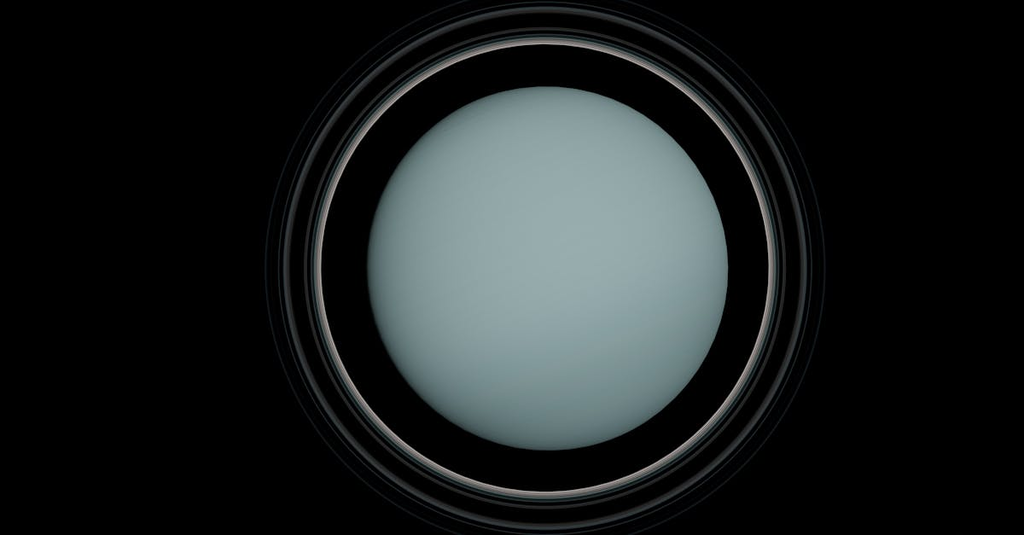
- Explain atmospheric composition and why they appear blue (methane) with faint cloud bands
- Summarize their ring systems, moons, and the nature of their magnetic fields
- Recall Voyager 2's flybys and the status of future exploration plans
❓ Frequently Asked Questions
What are the ice giants Uranus and Neptune?
Uranus and Neptune are the two outer planets known as ice giants. They have rocky cores, thick mantles of water, methane, and ammonia ices, and atmospheres of hydrogen and helium.
Why do Uranus and Neptune look blue?
Methane in their upper atmospheres absorbs red light, reflecting blue/blue-green light and giving them their characteristic color.
What is unique about Uranus's tilt and seasons?
Uranus tilts about 98 degrees on its side, causing extreme, long seasons during its 84-year orbit.
Do Uranus and Neptune have rings and moons?
Yes. Both have ring systems (faint and dark) and many moons orbiting them.
How do Uranus and Neptune differ from Jupiter and Saturn?
They are ice giants with significant icy interiors and mantles, whereas Jupiter and Saturn are gas giants dominated by hydrogen and helium.