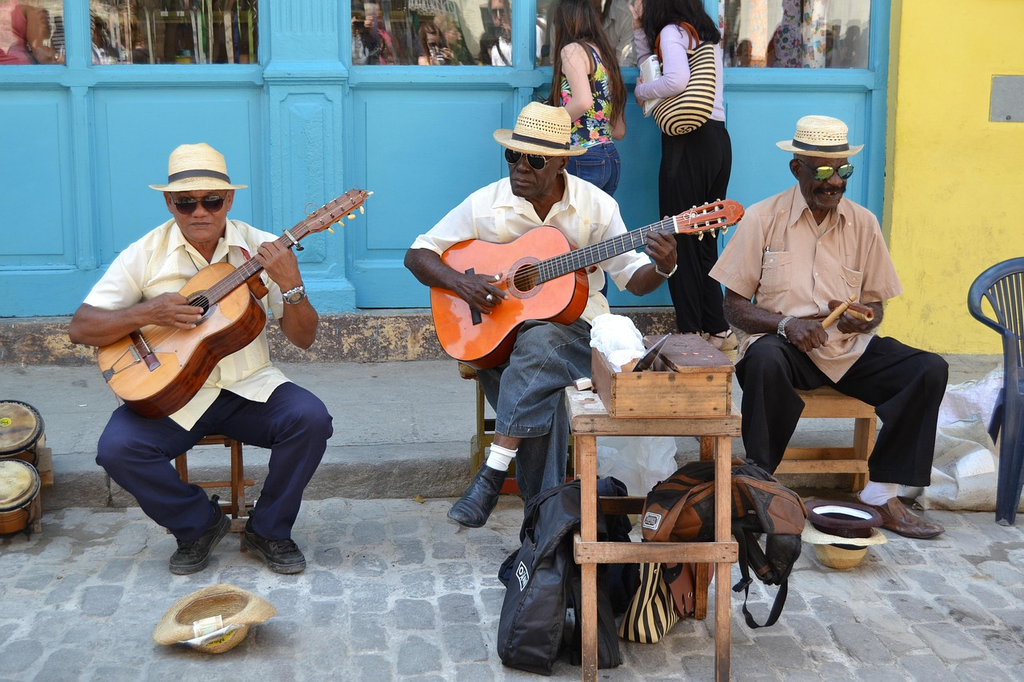
The influence of Caribbean music is profound, shaping global sounds through vibrant genres like reggae, calypso, and soca. Iconic artists such as Bob Marley, Celia Cruz, and Rihanna have brought Caribbean rhythms and messages to worldwide audiences. These musical styles blend African, European, and indigenous elements, fostering cultural pride and social commentary. Caribbean music’s infectious beats and legendary performers continue to inspire, unite, and influence music scenes across continents.
The Influence of Caribbean Music
The influence of Caribbean music is profound, shaping global sounds through vibrant genres like reggae, calypso, and soca. Iconic artists such as Bob Marley, Celia Cruz, and Rihanna have brought Caribbean rhythms and messages to worldwide audiences. These musical styles blend African, European, and indigenous elements, fostering cultural pride and social commentary. Caribbean music’s infectious beats and legendary performers continue to inspire, unite, and influence music scenes across continents.
💡 Key Takeaways
- Identify major Caribbean music genres and their regional roots.
- Explain how African rhythms, European musical ideas, and Caribbean storytelling blend to create the sound.
- Describe the influence of Caribbean music on global genres and dance styles.
- Recognize common instruments and rhythms, such as steelpan, drums, and syncopated beats.
- Explore how Caribbean music reflects social history, culture, and diaspora.
❓ Frequently Asked Questions
What defines Caribbean music and its core influences?
Caribbean music blends African rhythms with European melodies and local Caribbean/indigenous elements, shaped by island history, slavery, and the diaspora.
Which Caribbean genres have achieved global prominence, and where did they originate?
Reggae (Jamaica), calypso and soca (Trinidad and Tobago), merengue (Dominican Republic), and salsa (Caribbean/Latin roots), along with dancehall, have left a worldwide impact.
What are common instruments that define Caribbean music?
Steelpan, congas, bongos, timbales, claves, and other percussion, plus drums, piano/keyboard, brass, and call-and-response vocals.
How has Caribbean music influenced global rhythm and production?
Its infectious off-beat rhythms and syncopation, along with production styles like dub and sampling, have inspired many genres in pop, hip-hop, Latin music, and dance.