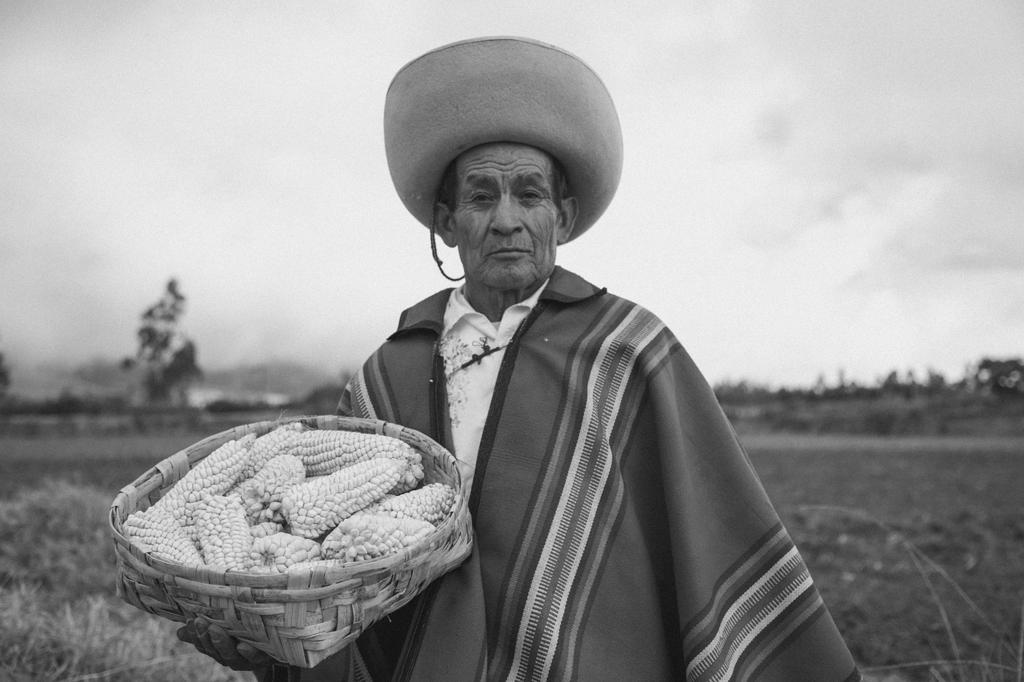
The influence of Indigenous music is profound, shaping cultural identity and inspiring generations through unique rhythms, instruments, and storytelling traditions. Indigenous music has enriched global soundscapes, influencing mainstream genres and fostering cross-cultural collaborations. Iconic Indigenous musicians and performers serve as cultural ambassadors, preserving heritage while innovating within contemporary music scenes. Their artistry highlights resilience, connection to land, and the enduring power of music as a tool for expression and unity.
The Influence of Indigenous Music
The influence of Indigenous music is profound, shaping cultural identity and inspiring generations through unique rhythms, instruments, and storytelling traditions. Indigenous music has enriched global soundscapes, influencing mainstream genres and fostering cross-cultural collaborations. Iconic Indigenous musicians and performers serve as cultural ambassadors, preserving heritage while innovating within contemporary music scenes. Their artistry highlights resilience, connection to land, and the enduring power of music as a tool for expression and unity.
💡 Key Takeaways
- Identify core features of Indigenous music, including traditional instruments, vocal styles, and rhythmic patterns.
- Understand how Indigenous music expresses community identity, history, and ceremonial life.
- Explore how Indigenous music has influenced contemporary genres and global music.
- Recognize ethical considerations, cultural protocols, and respectful engagement when studying Indigenous music.
❓ Frequently Asked Questions
What is Indigenous music?
Indigenous music refers to songs, rhythms, and performances created by Indigenous peoples, deeply tied to place, language, and ceremony. It’s often passed down orally and varies by culture and region.
How has Indigenous music influenced other genres?
Its rhythms, vocal styles, and traditional instruments have inspired many modern genres. You’ll hear call‑and‑response patterns, diverse melodic ideas, and percussion concepts in folk, rock, hip‑hop, and world music collaborations.
What are common elements you might notice in Indigenous music?
Vocal storytelling, call‑and‑response, complex rhythms, and the use of traditional instruments (drums, flutes, rattles). Performances often occur in ceremonial or community contexts.
Why is ethical understanding important when studying Indigenous music?
To respect cultural ownership, obtain consent for using traditions, avoid misrepresentation or appropriation, and help preserve languages and practices for future generations.