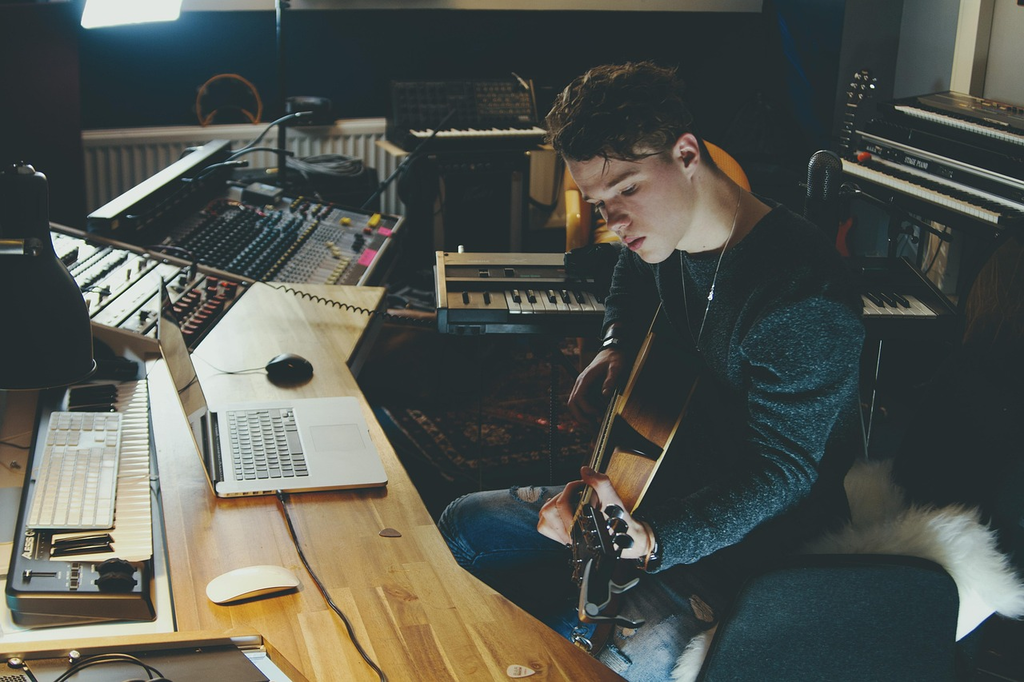
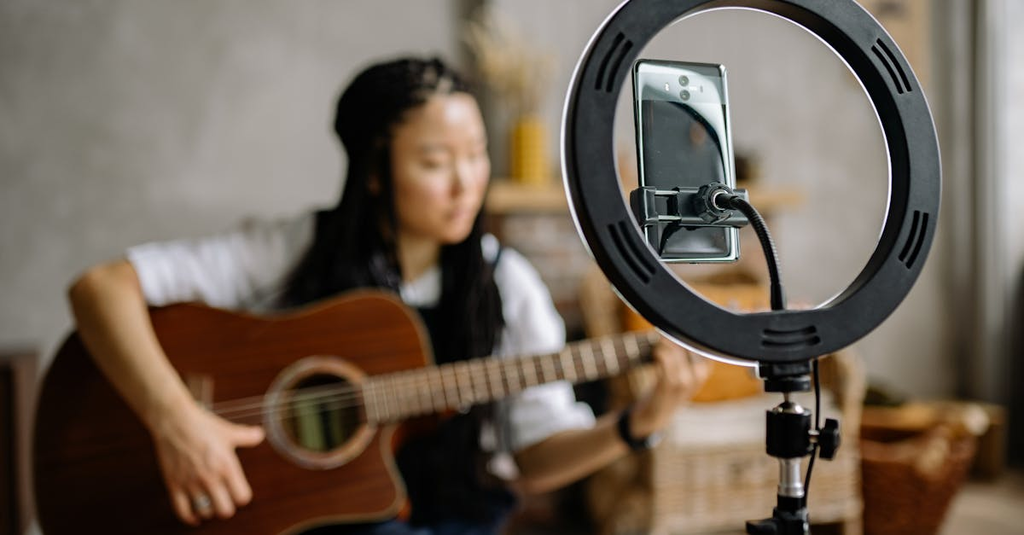
The influence of music on language is profound, as music shapes the way people communicate, express emotions, and even learn new languages. Rhythms, melodies, and lyrics help develop memory, pronunciation, and vocabulary. Iconic musicians and songs often introduce new words and phrases into everyday speech, reflecting cultural trends and shaping linguistic styles. Through its universal appeal, music bridges linguistic gaps and fosters deeper connections among diverse communities.
The Influence of Music on Language
The influence of music on language is profound, as music shapes the way people communicate, express emotions, and even learn new languages. Rhythms, melodies, and lyrics help develop memory, pronunciation, and vocabulary. Iconic musicians and songs often introduce new words and phrases into everyday speech, reflecting cultural trends and shaping linguistic styles. Through its universal appeal, music bridges linguistic gaps and fosters deeper connections among diverse communities.
💡 Key Takeaways
- Understand how rhythm and melody shape speech perception and phonology
- Learn how musical training can improve pronunciation, prosody, and language skills
- Explore how lyrics, rhythm, and rhyme support vocabulary, memory, and language learning
- Discuss music-based strategies used in language development and therapy for diverse ages
❓ Frequently Asked Questions
How does music influence language development in children?
Musical experiences strengthen phonological awareness, rhythm discrimination, and vocabulary. Activities like singing and clapping help kids segment sounds and map them to letters, supporting early language skills.
Which brain areas are involved in both music and language processing?
Shared regions include the auditory cortex, Broca's area, and Wernicke's area, plus frontotemporal networks that support syntax, melody, and timing.
Can musical training improve second-language pronunciation and listening?
Yes. Training enhances pitch perception, rhythm, and intonation, helping learners reproduce speech melodies and understand spoken language more accurately.
What practical activities can help use music to support language learning?
Try singing songs, clapping rhythms, chanting syllables, and learning lyrics with attention to stress and intonation to reinforce pronunciation and comprehension.