The phrase highlights an ironic and surprising fact: Thomas Edison, famous for inventing the light bulb, reportedly had a fear of the dark. This juxtaposition between his groundbreaking contribution to artificial light and his personal phobia makes the statement sound almost unbelievable. It underscores how even great innovators can have ordinary, human fears, adding an intriguing twist to Edison's legacy and making the fact memorable and seemingly improbable.
The inventor of the light bulb, Thomas Edison, was afraid of the dark
The phrase highlights an ironic and surprising fact: Thomas Edison, famous for inventing the light bulb, reportedly had a fear of the dark. This juxtaposition between his groundbreaking contribution to artificial light and his personal phobia makes the statement sound almost unbelievable. It underscores how even great innovators can have ordinary, human fears, adding an intriguing twist to Edison's legacy and making the fact memorable and seemingly improbable.
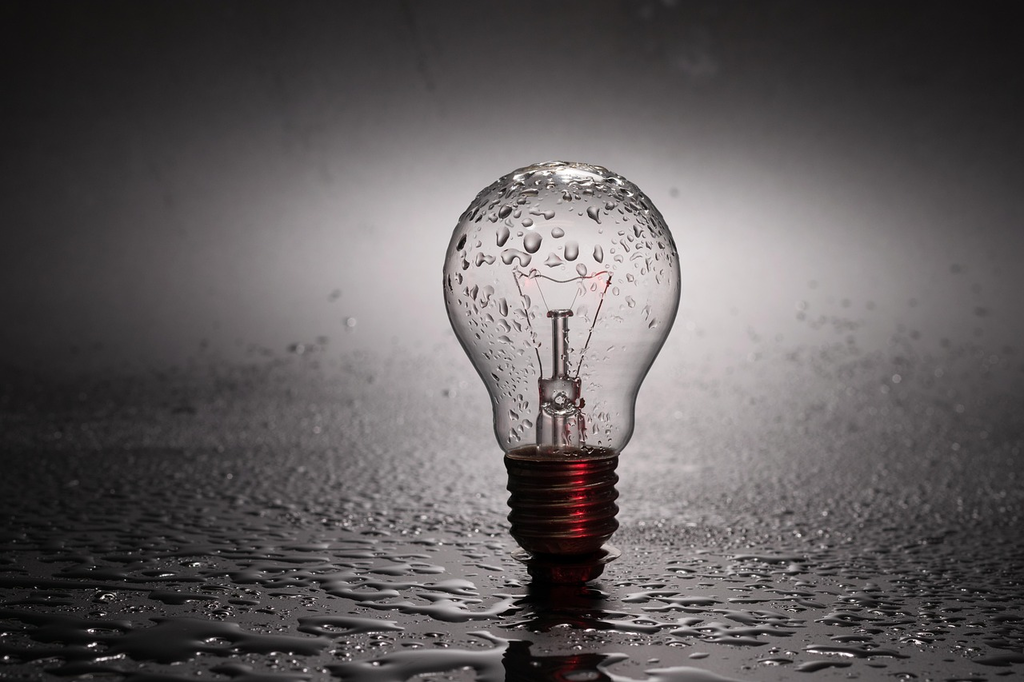
💡 Key Takeaways
- Edison’s contributions to the practical electric light bulb and the modern lighting system.
- Debunk the myth that Edison was afraid of the dark and explore how such anecdotes arise.
- How electric lighting transformed daily life, work, and city infrastructure.
- The difference between invention, patenting, and commercialization in Edison’s era.
❓ Frequently Asked Questions
Was Thomas Edison afraid of the dark?
There’s no credible evidence this is true. It’s a common myth; Edison was known for long hours of experimentation, especially in lighting and electricity.
What is Edison’s real contribution to electric lighting?
He improved the incandescent bulb with a longer-lasting filament and helped develop a complete electrical lighting system for homes and streets, enabling practical, widespread use.
Did Edison invent the light bulb?
No single inventor can be credited with the first electric bulb. Edison and his team refined the design, chose a better filament, and pioneered commercialization and practical use.
Why is Edison important for modern lighting?
Edison’s work helped turn electric light into a practical, reliable technology, leading to standardized bulbs and the electrical grid that powers everyday life.