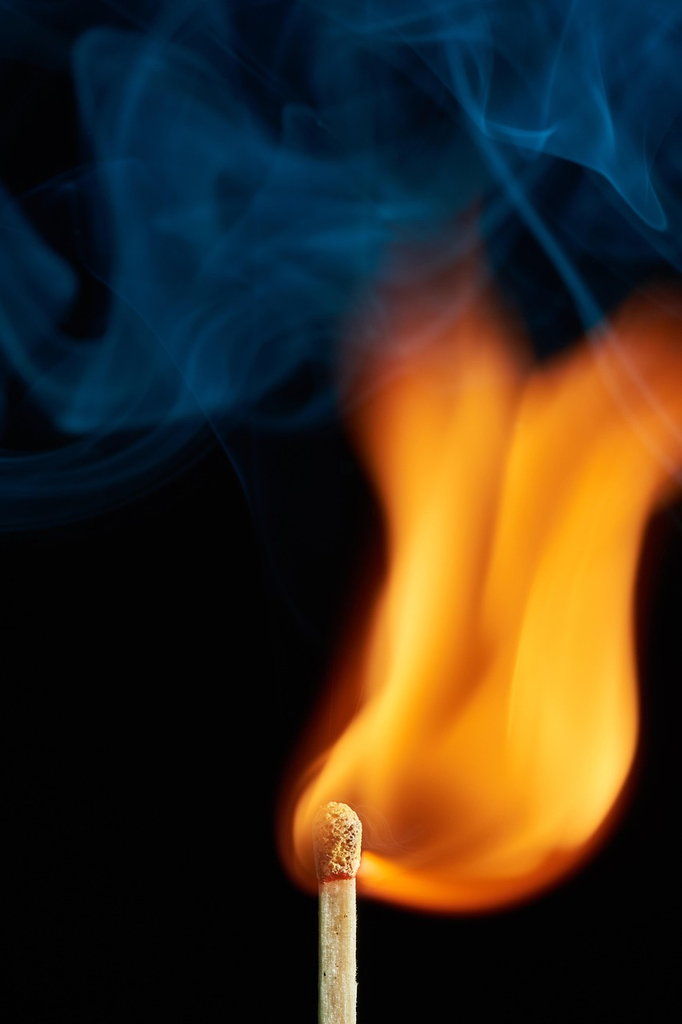
The phrase highlights an ironic twist in history: the inventor of the match, a chemist, inadvertently caused a fire in his own laboratory. This fact sounds unbelievable because one would expect a scientist working with flammable substances to exercise caution. Yet, it was through this accidental blaze that the practical use of matches was discovered, illustrating how some of humanity’s most useful inventions can arise from unexpected or even hazardous mistakes.
The inventor of the match was a chemist who accidentally set his lab on fire
The phrase highlights an ironic twist in history: the inventor of the match, a chemist, inadvertently caused a fire in his own laboratory. This fact sounds unbelievable because one would expect a scientist working with flammable substances to exercise caution. Yet, it was through this accidental blaze that the practical use of matches was discovered, illustrating how some of humanity’s most useful inventions can arise from unexpected or even hazardous mistakes.
💡 Key Takeaways
- How an accidental lab mishap led to the invention of the friction match and its impact on daily life.
- How friction matches ignite when the head is struck on a suitable surface, via a chemical reaction.
- The safety concerns of early chemistry discoveries and how they led to safer, improved products.
- The historical evolution from hazardous matches to modern safe designs and safety regulations.
❓ Frequently Asked Questions
Who invented the first friction match?
John Walker, a British chemist/pharmacist, invented the first friction match in the 1820s after an accidental flame in his lab.
How did the match come about?
While experimenting with chemical mixtures in his lab, a wooden stick coated with the mixture ignited when struck, revealing a new way to start fires.
What is a friction match and how does it work?
A friction match has a head coated with a combustible chemical that ignites when scraped against a rough surface; the friction heat starts the flame.
When and where did this invention occur?
In the 1820s in England, credited to John Walker, a chemist who accidentally sparked a flame in his lab.