The phrase suggests that the creation of the phonograph, a groundbreaking device for recording and playing sound, was influenced by a talking doll. This fact seems unbelievable, but it highlights how innovative ideas can stem from unexpected sources. The inventor observed the doll’s mechanism, which used a tiny cylinder to produce recorded speech, and this inspired the development of the phonograph, revolutionizing how people experienced sound.
The inventor of the phonograph was inspired by a talking doll
The phrase suggests that the creation of the phonograph, a groundbreaking device for recording and playing sound, was influenced by a talking doll. This fact seems unbelievable, but it highlights how innovative ideas can stem from unexpected sources. The inventor observed the doll’s mechanism, which used a tiny cylinder to produce recorded speech, and this inspired the development of the phonograph, revolutionizing how people experienced sound.
💡 Key Takeaways
- Know who invented the phonograph and the goal of recording and replaying sound.
- Understand the basic mechanism of the phonograph, including recording on a cylinder and playback.
- Recognize how everyday objects, such as a talking doll, can inspire invention.
- Appreciate the phonograph's role in shaping music, media, and the development of audio technology.
❓ Frequently Asked Questions
Who invented the phonograph and when?
Thomas Edison invented the phonograph in 1877; it was the first device capable of recording and reproducing sound.
What is the connection to a talking doll? Is that true?
A popular anecdote says Edison was inspired after seeing a talking doll. The exact inspiration is debated by historians, but the core idea—recording and replaying sound—led to the phonograph.
How does a phonograph work?
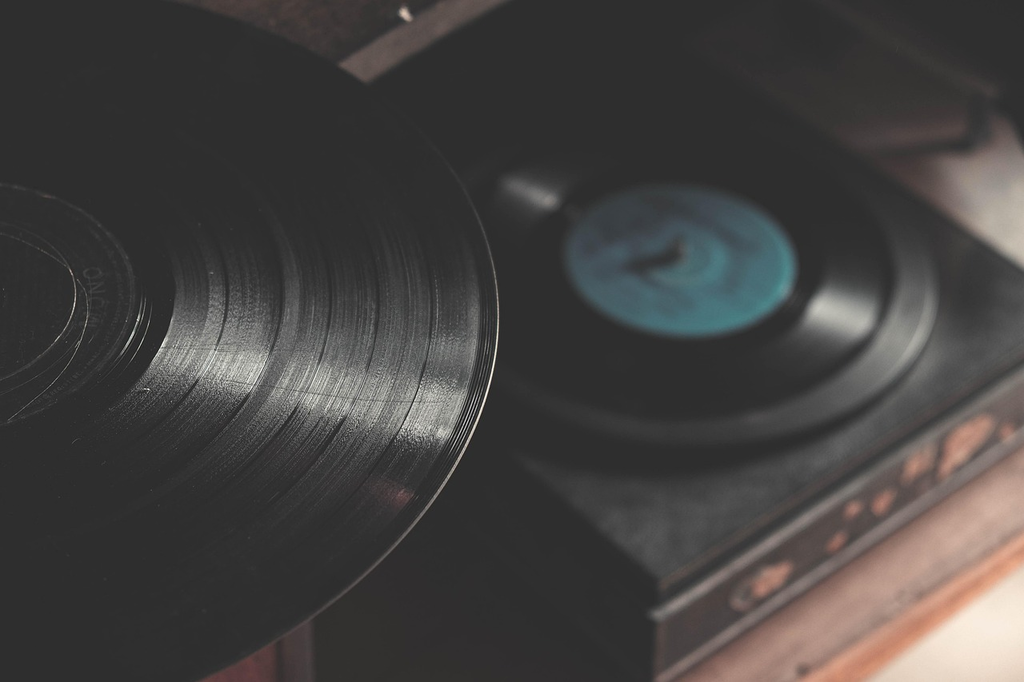
Sound vibrations move a diaphragm that drives a stylus to inscribe grooves on a rotating cylinder or disc. On playback, the stylus follows the grooves and reproduces the sound.
Why is the phonograph important?
It pioneered sound recording and playback, laying the groundwork for modern audio technology like records, tapes, and digital sound.