The phrase suggests that the creator of the typewriter drew inspiration from the piano’s design. Much like a piano’s keys produce music, the typewriter’s keys were arranged to allow users to quickly and efficiently type letters. This connection highlights how innovations can be influenced by seemingly unrelated objects, making it sound almost unbelievable yet true—an inventor borrowed the familiar action of pressing piano keys to revolutionize written communication.
The inventor of the typewriter was inspired by a piano
The phrase suggests that the creator of the typewriter drew inspiration from the piano’s design. Much like a piano’s keys produce music, the typewriter’s keys were arranged to allow users to quickly and efficiently type letters. This connection highlights how innovations can be influenced by seemingly unrelated objects, making it sound almost unbelievable yet true—an inventor borrowed the familiar action of pressing piano keys to revolutionize written communication.
💡 Key Takeaways
- Learn who invented the practical typewriter (Christopher Latham Sholes) and the timeline from invention to commercial production.
- Explore how the piano-style keyboard concept influenced early typewriter input and the idea of typing as a form of written communication.
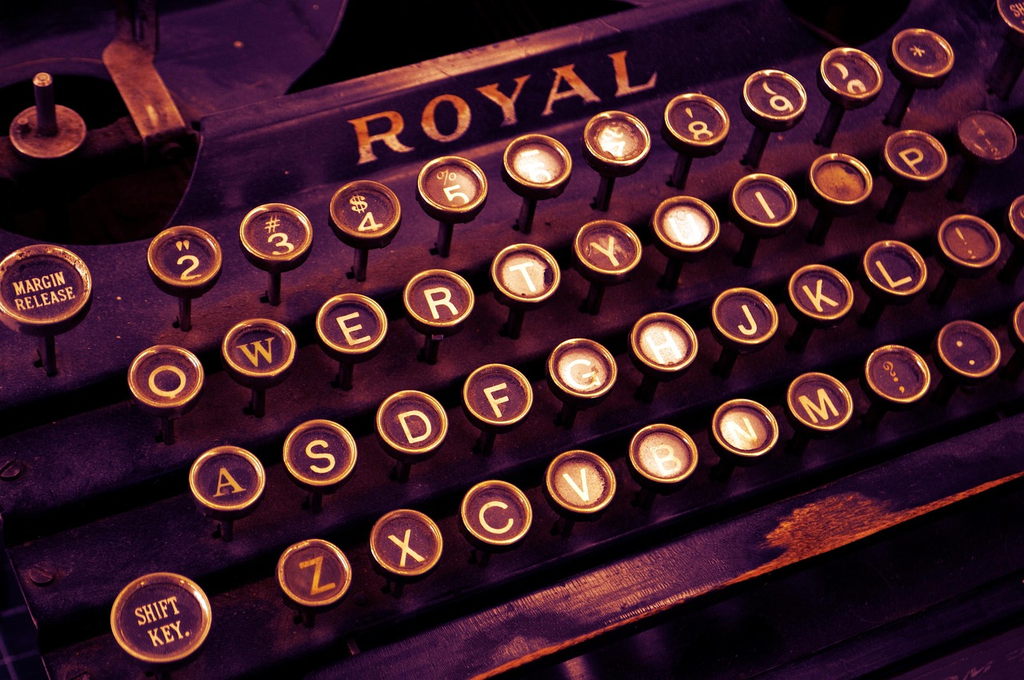
- Understand why the QWERTY layout was chosen (to reduce typebar jams and improve speed) and how it shaped modern keyboards.
- Consider the broader impact of the typewriter on business, writing, and the evolution toward digital text input.
❓ Frequently Asked Questions
Who invented the typewriter and when was it invented?
Christopher Latham Sholes, with Carlos Glidden and Samuel W. Soule, patented the first practical typewriter in 1868; the first commercially successful model appeared in 1874.
Was the inventor inspired by a piano?
The idea that the inventor was inspired by a piano is a common myth; the keyboard layout (QWERTY) was designed to reduce typebar jams and improve speed, not specifically based on a piano.
What is the QWERTY layout and why was it created?
QWERTY arranges letters to minimize mechanical jams and suit early typing speeds; it became the standard layout for typewriters and later computer keyboards.
How did the typewriter impact writing and communication?
It sped up writing, standardized text, and enabled efficient office work and mass communication.