The zipper, a common fastening device, was invented by Whitcomb Judson, who drew inspiration from the hook-and-eye closure used in clothing. Seeking a more efficient and convenient way to fasten garments, Judson developed a sliding mechanism that interlocked teeth, revolutionizing clothing design. This innovative leap from a simple hook-and-eye system to the zipper made fastening quicker and easier, demonstrating how everyday inconveniences can spark significant inventions.
The inventor of the zipper was inspired by a hook-and-eye closure
The zipper, a common fastening device, was invented by Whitcomb Judson, who drew inspiration from the hook-and-eye closure used in clothing. Seeking a more efficient and convenient way to fasten garments, Judson developed a sliding mechanism that interlocked teeth, revolutionizing clothing design. This innovative leap from a simple hook-and-eye system to the zipper made fastening quicker and easier, demonstrating how everyday inconveniences can spark significant inventions.
💡 Key Takeaways
- Understand how a hook-and-eye closure inspired the design of the modern zipper.
- Explore the key milestones from early fasteners to Gideon Sundback's improved zipper design.
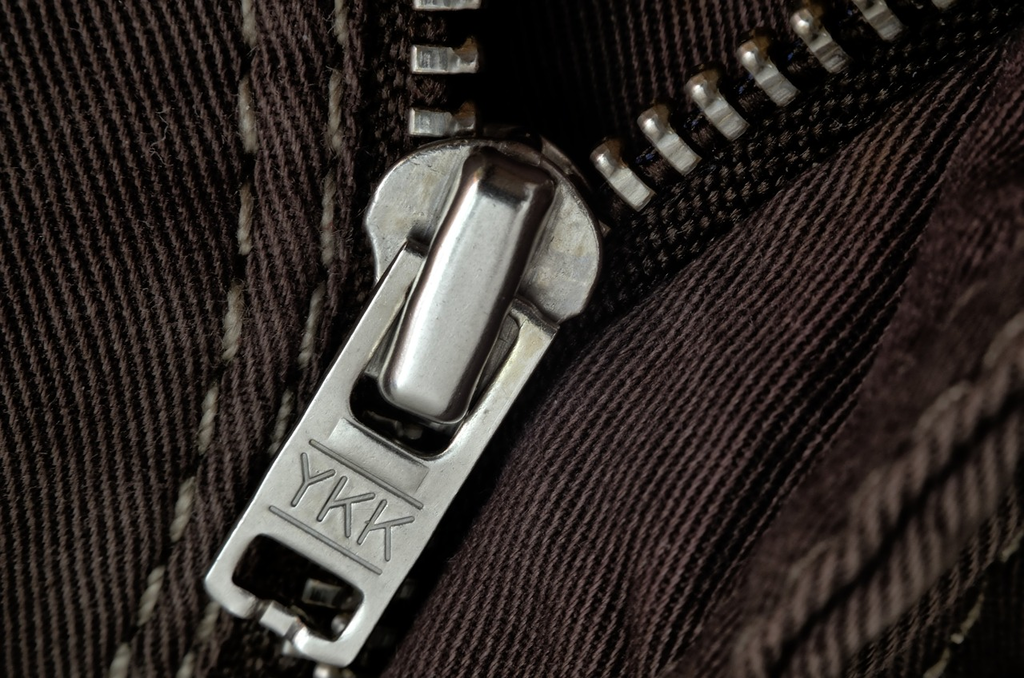
- Learn how a zipper works: interlocking teeth and a slider to open and close fabrics.
- Appreciate the zipper's impact on fashion, manufacturing, and everyday life.
❓ Frequently Asked Questions
Who invented the modern zipper and roughly when?
Gideon Sundback developed the modern separable fastener in 1913–1914, building on earlier hook-and-eye concepts.
How did a hook-and-eye closure influence the zipper's design?
The hook-and-eye idea of two parts joining to close a seam inspired the zipper's interlocking mechanism, which Sundback refined into teeth and a slider.
What is the key difference between a hook-and-eye closure and a zipper?
Hook-and-eye uses separate hooks and loops, while a zipper uses interlocking teeth and a sliding oem to zip up a seam.
When did zippers become common in clothing?
Zippers gained popularity in the 1920s–1930s and became standard on many garments in the following decades.
Why is the fastener called a 'zipper'?
The name 'zipper' was popularized in the 1920s by companies like B.F. Goodrich, and is partly inspired by the idea of a quick, zip-like closure.