The Jarrow March, also known as the Jarrow Crusade, was a protest march in October 1936 by 200 unemployed men from Jarrow, a town in northeast England. They marched nearly 300 miles to London to petition the British government for assistance after their town suffered severe economic decline and mass unemployment due to the closure of its main shipyard. The march highlighted the hardship faced by industrial communities during the Great Depression.
The Jarrow March
The Jarrow March, also known as the Jarrow Crusade, was a protest march in October 1936 by 200 unemployed men from Jarrow, a town in northeast England. They marched nearly 300 miles to London to petition the British government for assistance after their town suffered severe economic decline and mass unemployment due to the closure of its main shipyard. The march highlighted the hardship faced by industrial communities during the Great Depression.
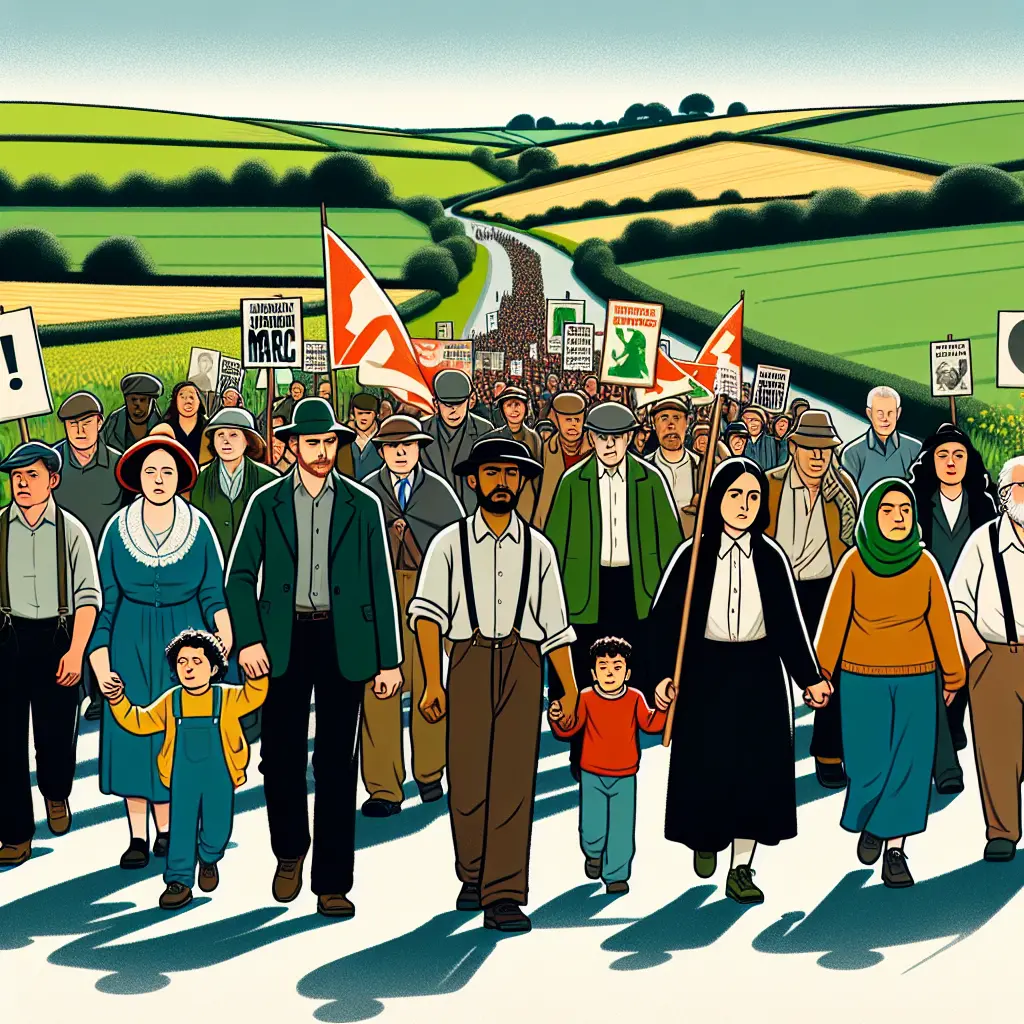
💡 Key Takeaways
- Context of mass unemployment in 1930s Britain and the economic decline of Jarrow.
- About 200 unemployed men from Jarrow marched nearly 300 miles to London to petition the government.
- The march sought government relief and employment opportunities, advocating for public works as a solution.
- The protest raised national awareness of unemployment and welfare issues, contributing to later policy debates, though it did not secure immediate relief.
❓ Frequently Asked Questions
What is the Jarrow March (also known as the Jarrow Crusade)?
A protest march in October 1936 by about 200 unemployed men from Jarrow to London to petition the British government for unemployment relief during the Great Depression.
How long did the march take and how far did they walk?
They traveled nearly 300 miles (roughly 480 kilometers) from Jarrow in northeast England to London during October 1936.
Why did the march happen? What were the conditions in Jarrow?
Jarrow faced severe economic decline and high unemployment after local industry closures, prompting residents to seek government aid and public works to create jobs.
What was the impact or outcome of the Jarrow March?
The march raised national awareness of unemployment and hardship. It did not secure immediate relief, but it influenced public debate and contributed to later discussions on welfare and social support.