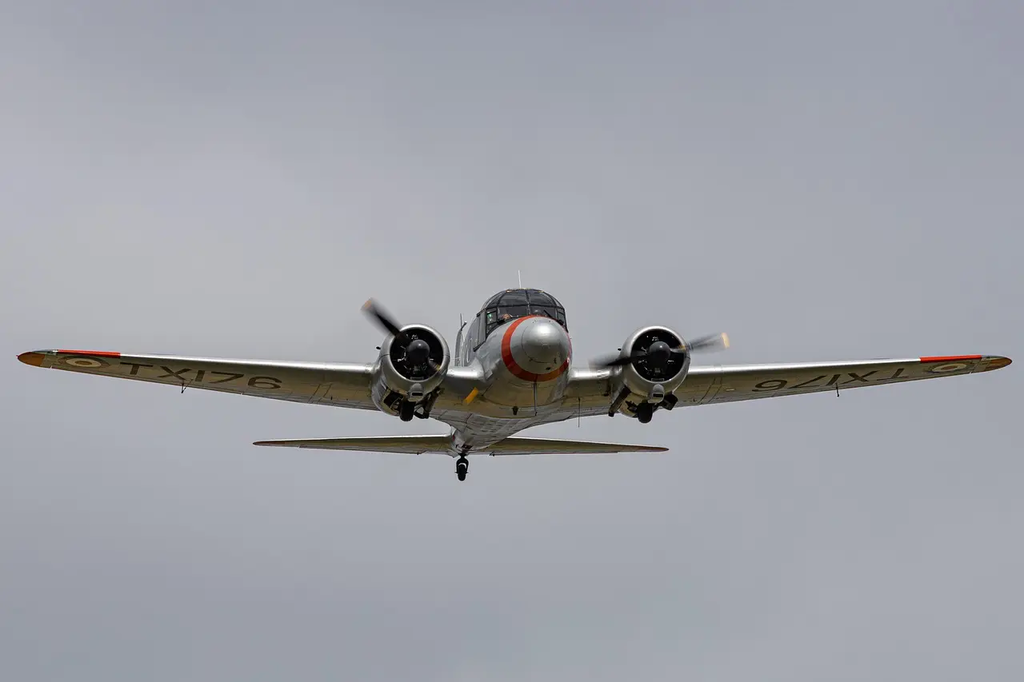
The jet engine is a revolutionary invention that transformed transportation by enabling aircraft to fly faster, higher, and more efficiently than ever before. Developed in the early 20th century, it uses the principles of air compression and fuel combustion to generate powerful thrust. This innovation not only made commercial air travel accessible and widespread but also played a crucial role in military aviation, shaping the modern world’s connectivity and global economy.
The Jet Engine
The jet engine is a revolutionary invention that transformed transportation by enabling aircraft to fly faster, higher, and more efficiently than ever before. Developed in the early 20th century, it uses the principles of air compression and fuel combustion to generate powerful thrust. This innovation not only made commercial air travel accessible and widespread but also played a crucial role in military aviation, shaping the modern world’s connectivity and global economy.
💡 Key Takeaways
- Understand the basic jet engine cycle: air intake, compression, combustion, expansion, and thrust generation.
- Identify the main components: intake, compressor, combustor, turbine, and nozzle (and the fan in turbofan engines).
- Differentiate turbojet and turbofan designs and where each is commonly used.
- Explain how thrust depends on mass flow and exhaust velocity, and how temperature and pressure affect performance.
❓ Frequently Asked Questions
What is a jet engine?
A jet engine is a propulsion device that generates thrust by drawing in air, compressing it, burning fuel, and expelling the hot exhaust rearward to push the aircraft forward.
What are the main stages of a jet engine?
Inlet (air intake), compressor (compresses air), combustor (fuel burns with air), turbine (drives the compressor), and nozzle (expands exhaust to produce thrust).
What is a turbofan and how does it differ from a turbojet?
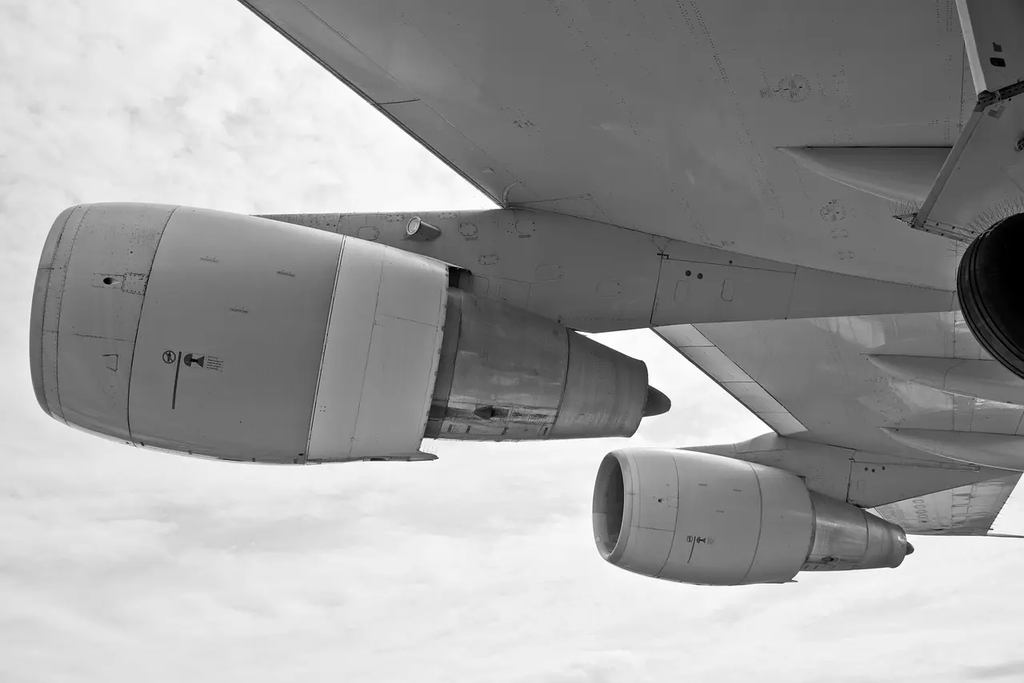
A turbofan uses a large front fan to move additional air around the core (bypass air) for more thrust and quieter operation, while a turbojet relies mainly on the core exhaust for thrust.
What factors affect how much thrust an engine produces?
Thrust depends on mass flow through the engine, exhaust velocity, fuel flow, and ambient conditions like air temperature and pressure.