The Kuiper Belt is a vast, icy region beyond Neptune, filled with small celestial bodies, dwarf planets like Pluto, and countless frozen objects. As part of our solar system, it is a source of comets and remnants from its formation. In "Space Quest: Explore the Planets and Stars," the Kuiper Belt represents a frontier for discovery, offering clues about the origins and evolution of the solar system and the mysteries that lie at its edge.
The Kuiper Belt
The Kuiper Belt is a vast, icy region beyond Neptune, filled with small celestial bodies, dwarf planets like Pluto, and countless frozen objects. As part of our solar system, it is a source of comets and remnants from its formation. In "Space Quest: Explore the Planets and Stars," the Kuiper Belt represents a frontier for discovery, offering clues about the origins and evolution of the solar system and the mysteries that lie at its edge.
💡 Key Takeaways
- Identify what the Kuiper Belt is and where it lies in the Solar System (beyond Neptune).
- Understand how Kuiper Belt Objects differ from main-belt asteroids and why they are icy.
- Recognize resonant orbits with Neptune (e.g., Plutinos) and name notable Kuiper Belt Objects like Pluto and Eris.
- Explain why the Kuiper Belt is scientifically important as a clue to solar system formation and a source of short-period comets.
❓ Frequently Asked Questions
What is the Kuiper Belt?
A ring‑shaped region beyond Neptune (about 30–55 astronomical units from the Sun) filled with small icy bodies and dwarf planets—remnants from the Solar System’s formation.
What are Kuiper Belt Objects (KBOs)?
Icy, rocky bodies that populate the belt; examples include dwarf planets Pluto, Eris, Haumea and Makemake. Most are leftover material from the Solar System's birth.
How is the Kuiper Belt different from the asteroid belt?
Location and composition: the asteroid belt lies between Mars and Jupiter and is mostly rocky; the Kuiper Belt lies beyond Neptune and is mostly icy. Orbits and dynamics also differ.
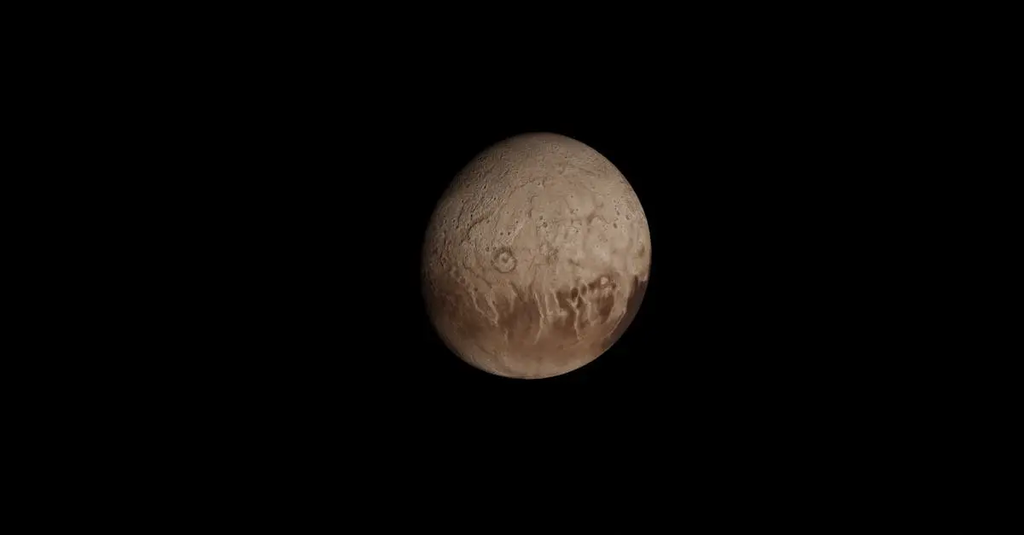
Is Pluto part of the Kuiper Belt, and what is its status?
Yes, Pluto is a Kuiper Belt Object. It was once regarded as a planet but was reclassified as a dwarf planet by the IAU in 2006.