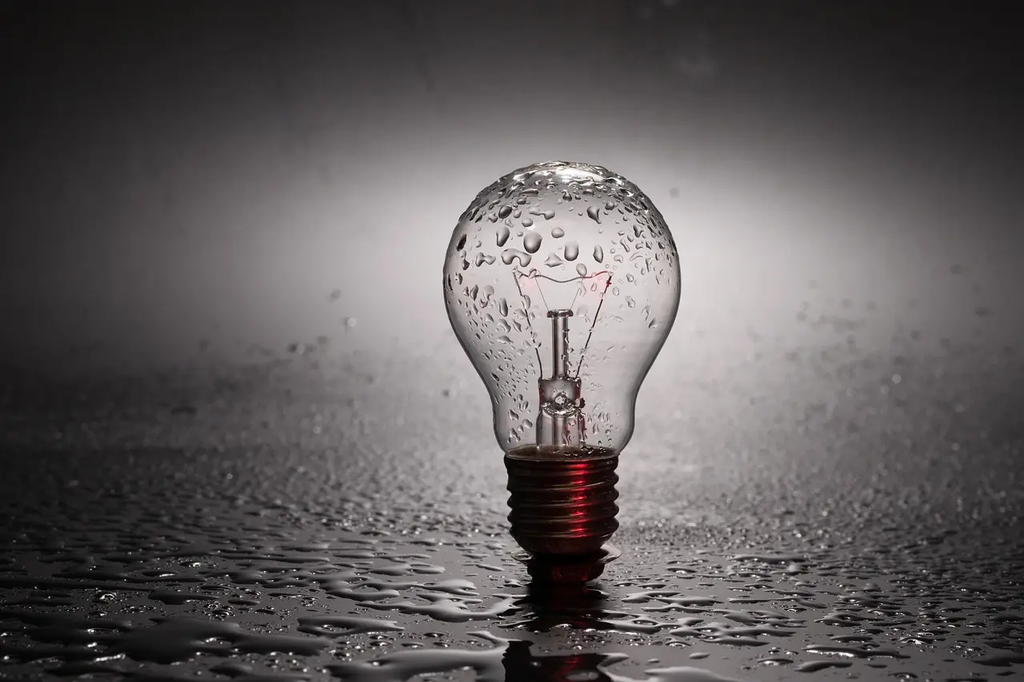
The light bulb, a groundbreaking invention, revolutionized human life by providing a reliable and safe source of artificial light. Invented in the late 19th century, it replaced candles and oil lamps, greatly extending productive hours and improving safety. Its introduction sparked rapid advancements in technology, industry, and urban living, symbolizing innovation and progress. Today, the light bulb remains an enduring icon of creativity and human ingenuity.
The Light Bulb+50
The light bulb, a groundbreaking invention, revolutionized human life by providing a reliable and safe source of artificial light. Invented in the late 19th century, it replaced candles and oil lamps, greatly extending productive hours and improving safety. Its introduction sparked rapid advancements in technology, industry, and urban living, symbolizing innovation and progress. Today, the light bulb remains an enduring icon of creativity and human ingenuity.
💡 Key Takeaways
- Understand how a light bulb converts electrical energy into light and heat.
- Compare different bulb technologies (incandescent, CFL, LED) in terms of efficiency and lifespan.
- Explain basic electrical concepts relevant to bulbs, like voltage, current, and resistance, and basic circuit safety.
- Learn safe handling, installation, and disposal practices for common light bulbs.
❓ Frequently Asked Questions
What is a light bulb and how does it work?
A light bulb converts electrical energy into visible light (and some heat). Incandescent bulbs heat a filament until it glows; LED and CFL bulbs use semiconductors or phosphors to emit light more efficiently.
What are the main types of light bulbs and how do they differ?
Incandescent (cheap but inefficient), Halogen (slightly more efficient), CFL (compact fluorescent, more efficient but contains small mercury), and LED (highly efficient, long-lasting).
How do I choose the right bulb for brightness and color?
Brightness is measured in lumens (not watts). Higher lumens = brighter. Color temperature (Kelvin) affects warmth: 2700–3000K is warm, 4000–5000K is cool/neutral. Pick based on room and mood.
How should I dispose of or recycle light bulbs?
Incandescent and halogen bulbs can usually be discarded with regular trash. CFLs contain a small amount of mercury and should be recycled or taken to a hazardous waste facility. LEDs should be recycled at appropriate e-waste/recycling centers—check local guidelines.