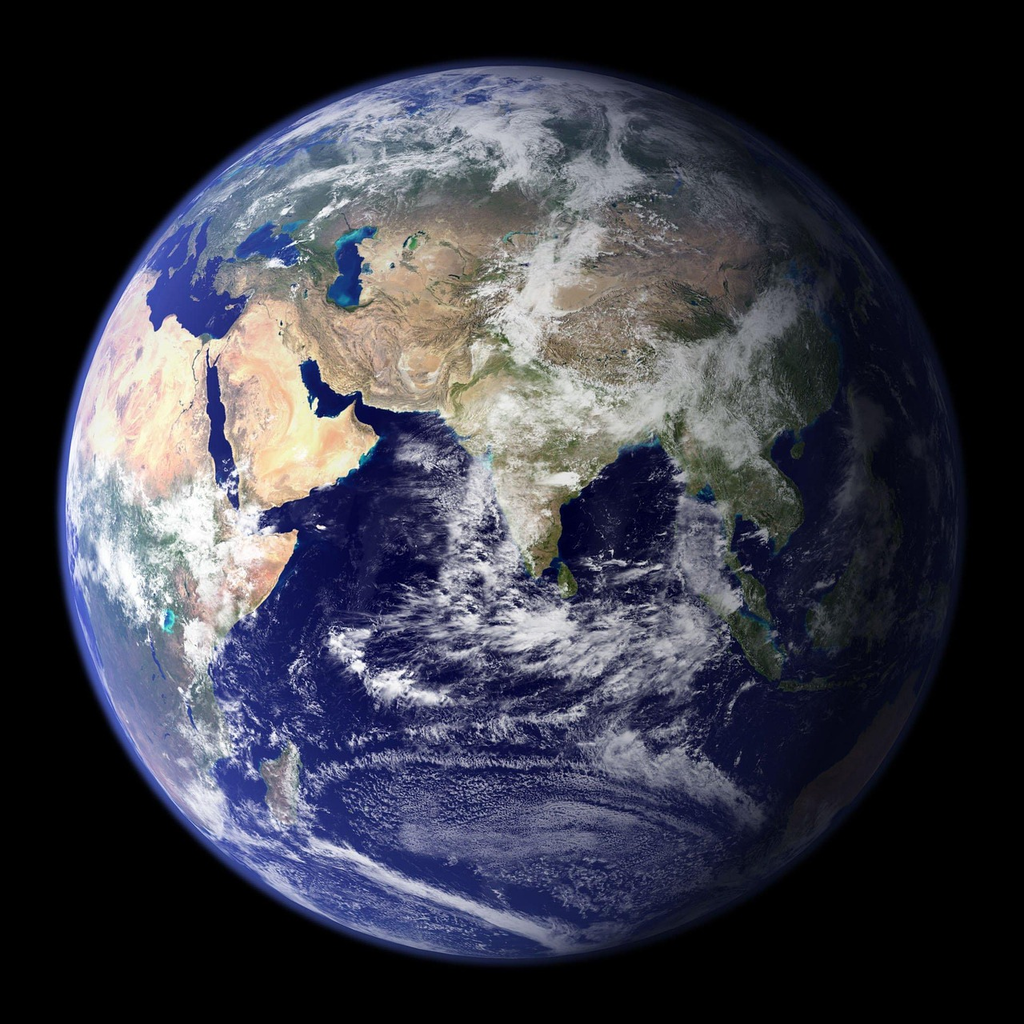
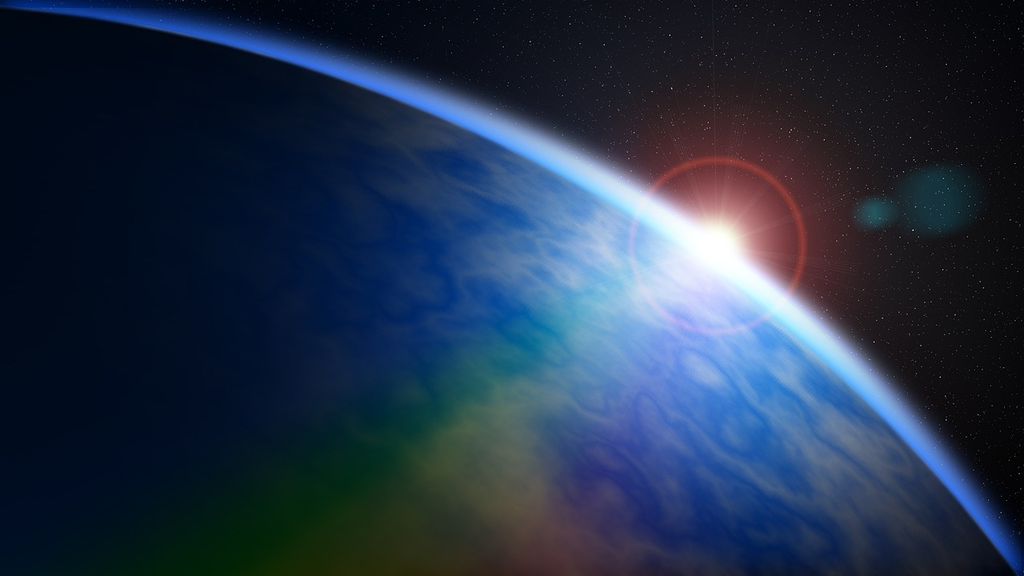
The magnetosphere is a protective magnetic field surrounding a planet, such as Earth, within the solar system. It is generated by the movement of molten iron in the planet’s core, creating a magnetic shield that deflects charged particles from the solar wind. This barrier prevents harmful solar radiation from reaching the planet’s surface, thus playing a crucial role in maintaining atmospheric stability and supporting life.
The Magnetosphere
The magnetosphere is a protective magnetic field surrounding a planet, such as Earth, within the solar system. It is generated by the movement of molten iron in the planet’s core, creating a magnetic shield that deflects charged particles from the solar wind. This barrier prevents harmful solar radiation from reaching the planet’s surface, thus playing a crucial role in maintaining atmospheric stability and supporting life.
💡 Key Takeaways
- Define the magnetosphere and describe its main regions (bow shock, magnetopause, magnetotail, radiation belts).
- Explain how the solar wind shapes the magnetosphere and drives space weather.
- Describe how Earth's magnetosphere protects us from charged solar particles and enables auroral phenomena.
- Identify the main tools and methods scientists use to study the magnetosphere (satellites, ground-based instruments, and computer models).
❓ Frequently Asked Questions
What is the magnetosphere?
The magnetosphere is the region around Earth where the planet's magnetic field dominates the motion of charged particles, shielding us from much of the solar wind and cosmic radiation.
What are the main features of Earth's magnetosphere?
Key features include the bow shock, magnetopause, magnetotail, and radiation belts; its shape is sculpted by the solar wind.
How does the magnetosphere protect us?
It deflects most charged particles from the Sun, reducing atmospheric erosion and radiation exposure; some particles are trapped in belts.
What causes auroras in the polar skies?
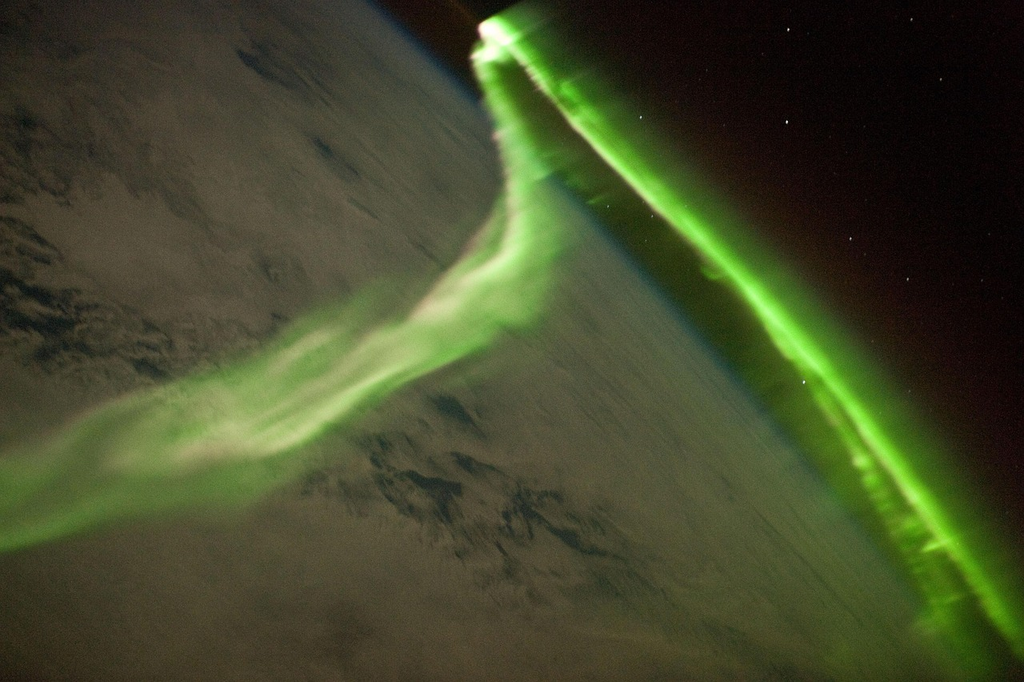
Auroras occur when solar wind–derived charged particles are guided by Earth's magnetic field to the polar atmospheres, where they collide with molecules and emit light.
How does the magnetosphere interact with the solar wind?
The solar wind compresses the dayside magnetosphere and stretches the nightside into a magnetotail; magnetic reconnection transfers energy, driving geomagnetic activity.