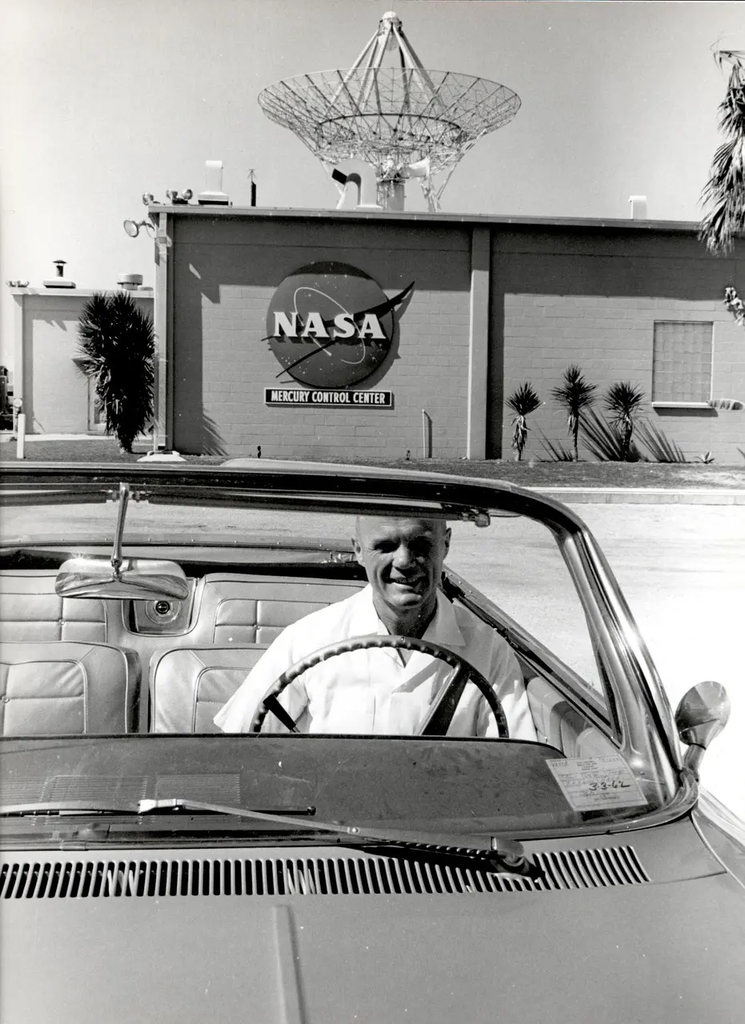
The Mercury Seven refers to the first group of astronauts selected by NASA in 1959 for Project Mercury, the United States' initial human spaceflight program. Astronaut selection involved rigorous physical, psychological, and technical evaluations to identify candidates with exceptional health, intelligence, and piloting skills. The chosen seven—Carpenter, Cooper, Glenn, Grissom, Schirra, Shepard, and Slayton—became national heroes and set the standard for future astronaut selection and training.
The Mercury Seven and Astronaut Selection+50
The Mercury Seven refers to the first group of astronauts selected by NASA in 1959 for Project Mercury, the United States' initial human spaceflight program. Astronaut selection involved rigorous physical, psychological, and technical evaluations to identify candidates with exceptional health, intelligence, and piloting skills. The chosen seven—Carpenter, Cooper, Glenn, Grissom, Schirra, Shepard, and Slayton—became national heroes and set the standard for future astronaut selection and training.
💡 Key Takeaways
- Identify the Mercury Seven as NASA’s first group of astronauts selected for Project Mercury.
- Describe the rigorous physical, psychological, and technical evaluations used to select astronauts.
- Explain how the Mercury Seven shaped future astronaut selection and training standards.
- Name the Mercury Seven members and link them to their landmark missions.
❓ Frequently Asked Questions
What was Project Mercury and who were the Mercury Seven?
Project Mercury was NASA's first U.S. human spaceflight program (1959–1963) to orbit a person around Earth. The Mercury Seven were its first group of astronauts: Scott Carpenter, Gordon Cooper, John Glenn, Gus Grissom, Wally Schirra, Alan Shepard, and Deke Slayton.
What criteria were used to select Mercury astronauts?
Candidates underwent rigorous physical health exams, psychological evaluations, and assessments of technical skill and education to identify exceptional health, intellect, and temperament.
What kinds of tests did candidates face during selection?
Medical examinations, fitness tests, psychological screenings, and technical/problem-solving assessments to gauge readiness for spaceflight.
How did the Mercury selection influence future astronaut programs?
It established enduring standards for health, fitness, and mental resilience, shaping later astronaut selection, training, and mission-readiness processes.