The Moon, Earth's only natural satellite, orbits our planet and is the fifth largest moon in the Solar System. It influences Earth's tides and stabilizes its axis, playing a crucial role in our environment. The Moon has a rocky surface marked by craters and maria, and its phases result from changing positions relative to the Sun and Earth. Its exploration has expanded our understanding of planetary science.
The Moon: Earth's Satellite+50
The Moon, Earth's only natural satellite, orbits our planet and is the fifth largest moon in the Solar System. It influences Earth's tides and stabilizes its axis, playing a crucial role in our environment. The Moon has a rocky surface marked by craters and maria, and its phases result from changing positions relative to the Sun and Earth. Its exploration has expanded our understanding of planetary science.
💡 Key Takeaways
- Define the Moon as Earth's natural satellite and describe its orbital relationship with Earth.
- Explain the lunar phases and what causes the changing appearance of the Moon from Earth.
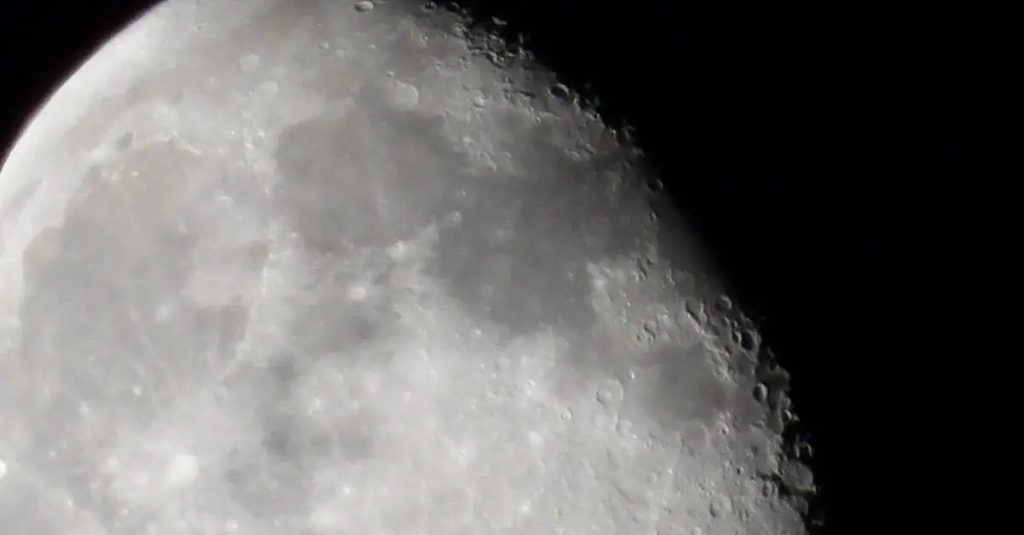
- Describe the Moon's major surface features (maria, highlands, and craters) and what they reveal about its history.
- Summarize how lunar exploration has expanded our understanding of the Moon and its place in the solar system.
❓ Frequently Asked Questions
What is the Moon?
The Moon is Earth's natural satellite that orbits our planet. It is about 384,400 km away on average.
How long does the Moon take to orbit Earth, and what are sidereal and synodic months?
The Moon's orbit relative to stars (sidereal month) is about 27.3 days. The cycle of lunar phases (new Moon to new Moon) is about 29.5 days (synodic month).
What causes tides on Earth?
The Moon’s gravity pulls on Earth’s oceans, creating tides. The Sun’s gravity also influences tides, especially when aligned with the Moon.
Why does the Moon show phases like new, crescent, and full?
We see different portions of the Moon’s sunlit side as it orbits Earth, producing the monthly phases over about 29.5 days.
Why does the same side of the Moon always face Earth?
The Moon is tidally locked to Earth, so its rotation matches its orbit and the same hemisphere faces us at all times.