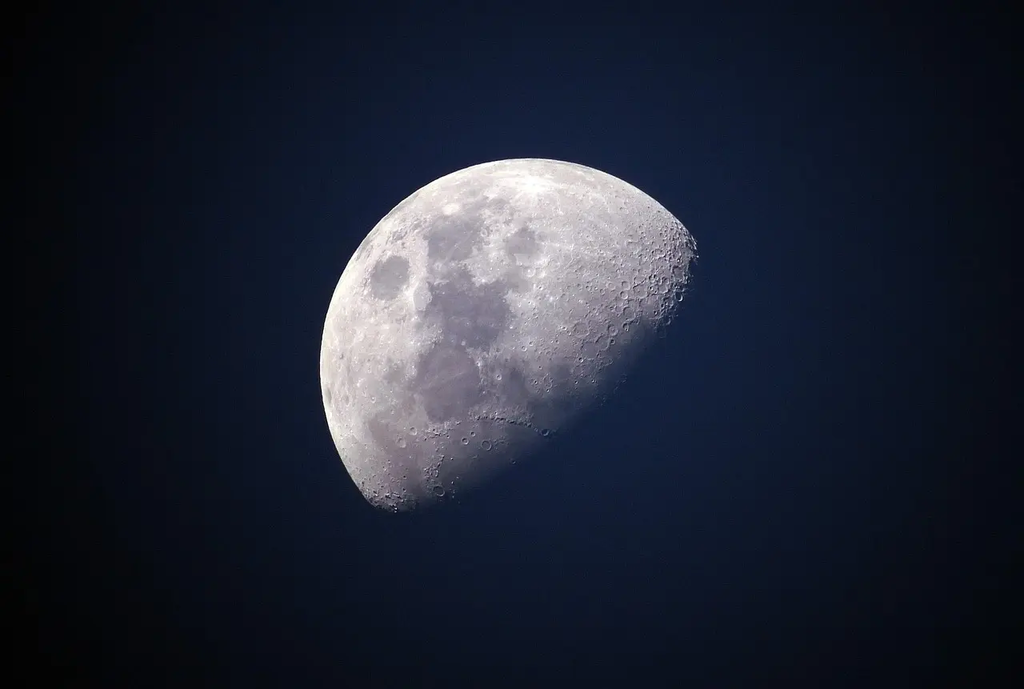
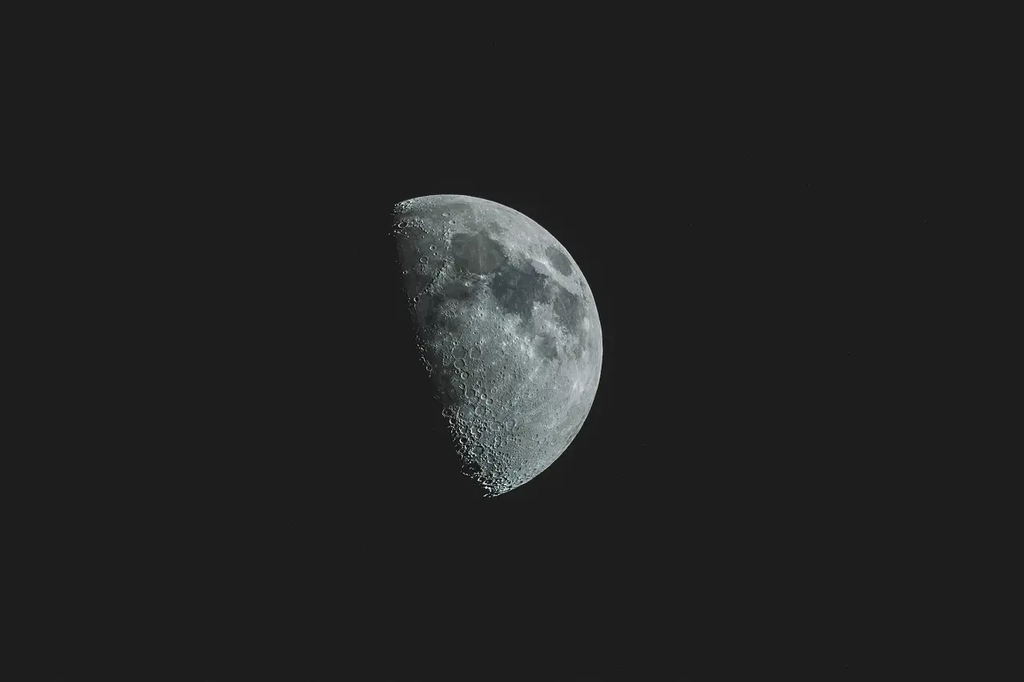
The Moon's surface is a barren, rocky landscape covered in fine dust called regolith. It features vast plains known as maria, created by ancient volcanic activity, and is dotted with craters formed by meteorite impacts. The surface also has mountains, valleys, and ridges. With no atmosphere to protect it, the Moon experiences extreme temperature changes and displays a stark, gray appearance when viewed from space.
The Moon's Surface+50
The Moon's surface is a barren, rocky landscape covered in fine dust called regolith. It features vast plains known as maria, created by ancient volcanic activity, and is dotted with craters formed by meteorite impacts. The surface also has mountains, valleys, and ridges. With no atmosphere to protect it, the Moon experiences extreme temperature changes and displays a stark, gray appearance when viewed from space.
💡 Key Takeaways
- Identify major surface features: maria, highlands, and craters.
- Explain what regolith is and why the Moon has no atmosphere or weathering.
- Describe how craters and maria formed and what they reveal about lunar history.
- Compare near-side and far-side features and what they tell us about geology.
❓ Frequently Asked Questions
What is the Moon's surface primarily composed of?
The surface is covered by regolith (dust and broken rock) with two main regions: dark basaltic maria and lighter, cratered highlands.
What are lunar maria and highlands?
Maria are ancient lava plains forming dark, smooth areas; Highlands are the brighter, oldest, heavily cratered regions.
Why do footprints and tracks last so long on the Moon?
There is no atmosphere or weather to erode them, so footprints can persist for a very long time.
Is there water on the Moon's surface?
Most of the surface is dry, but water ice exists in permanently shadowed, polar craters.