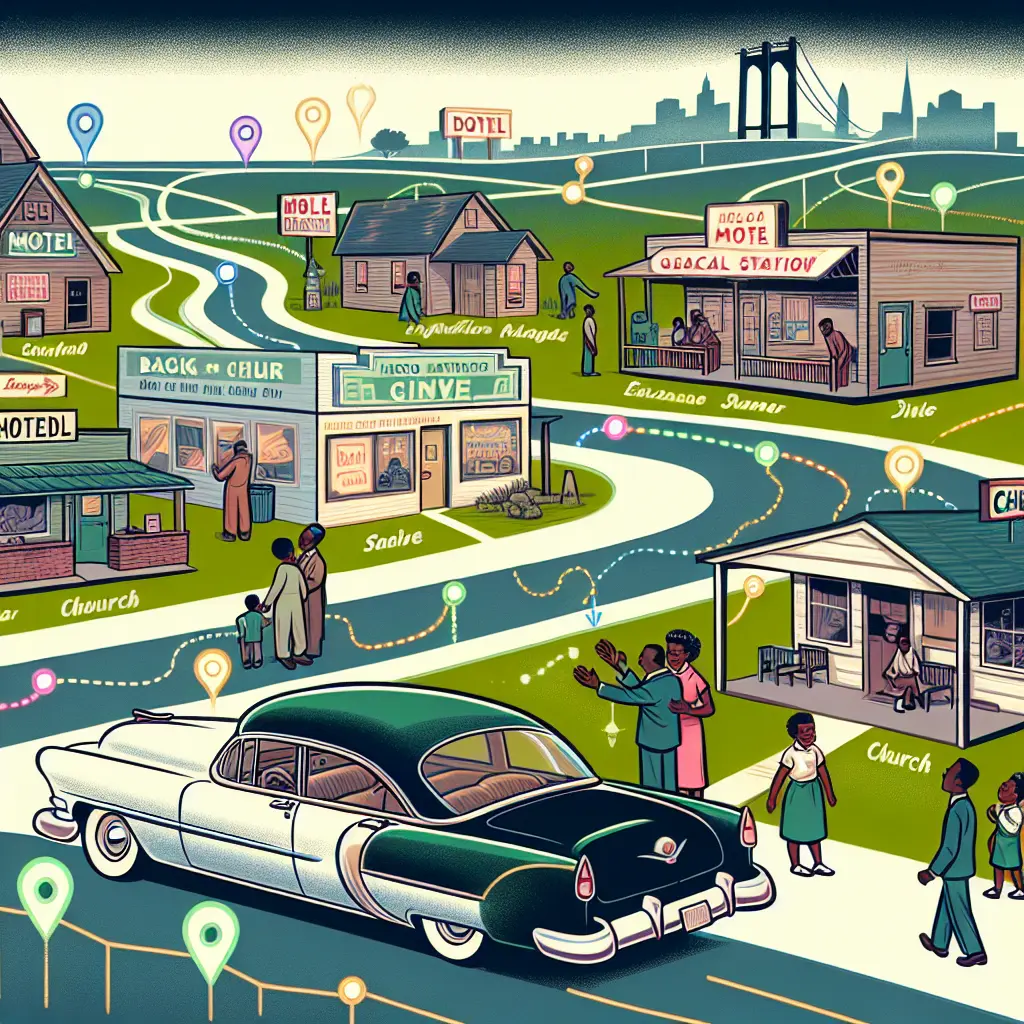
The Negro Motorist Green Book Sites and Legacies refers to the historic locations listed in the Green Book, a travel guide published from 1936 to 1966 for African American travelers during segregation in the United States. These sites—hotels, restaurants, gas stations, and other businesses—provided safe havens and hospitality to Black travelers. Their legacies highlight resilience, community, and the ongoing significance of preserving these landmarks as symbols of both struggle and triumph in civil rights history.
The Negro Motorist Green Book Sites and Legacies
The Negro Motorist Green Book Sites and Legacies refers to the historic locations listed in the Green Book, a travel guide published from 1936 to 1966 for African American travelers during segregation in the United States. These sites—hotels, restaurants, gas stations, and other businesses—provided safe havens and hospitality to Black travelers. Their legacies highlight resilience, community, and the ongoing significance of preserving these landmarks as symbols of both struggle and triumph in civil rights history.
💡 Key Takeaways
- Understand the historical context and purpose of the Green Book (1936–1966) for Black travelers during segregation.
- Identify the common Green Book site types (hotels, restaurants, gas stations, and other businesses) and their roles in safe mobility.
- Explore how these sites fostered Black entrepreneurship and community resilience despite discriminatory laws.
- Recognize iconic landmarks and hidden gems, and how their legacies are preserved and interpreted today.
- Consider the ongoing lessons for inclusive travel, civil rights memory, and preserving historical spaces.
❓ Frequently Asked Questions
What was the Negro Motorist Green Book?
A travel guide published from 1936 to 1966 that listed Black-friendly hotels, restaurants, gas stations, and other businesses for African American travelers during segregation.
What types of places were listed in the Green Book?
Hotels, restaurants, gas stations, barber shops, theaters, and other businesses that welcomed Black travelers.
Why was the Green Book important for African American travelers?
It provided safety, reliability, and economic opportunities by guiding travelers to welcoming establishments during Jim Crow segregation.
How do Green Book sites contribute to today’s heritage and tourism?
They are preserved landmarks and hidden gems that educate about Black entrepreneurship and mobility, supporting heritage tourism and community memory.
How can readers explore Green Book sites in the quiz article?
The article highlights iconic landmarks and lesser-known places, encouraging visits to preserved sites, museums, markers, and local archives.