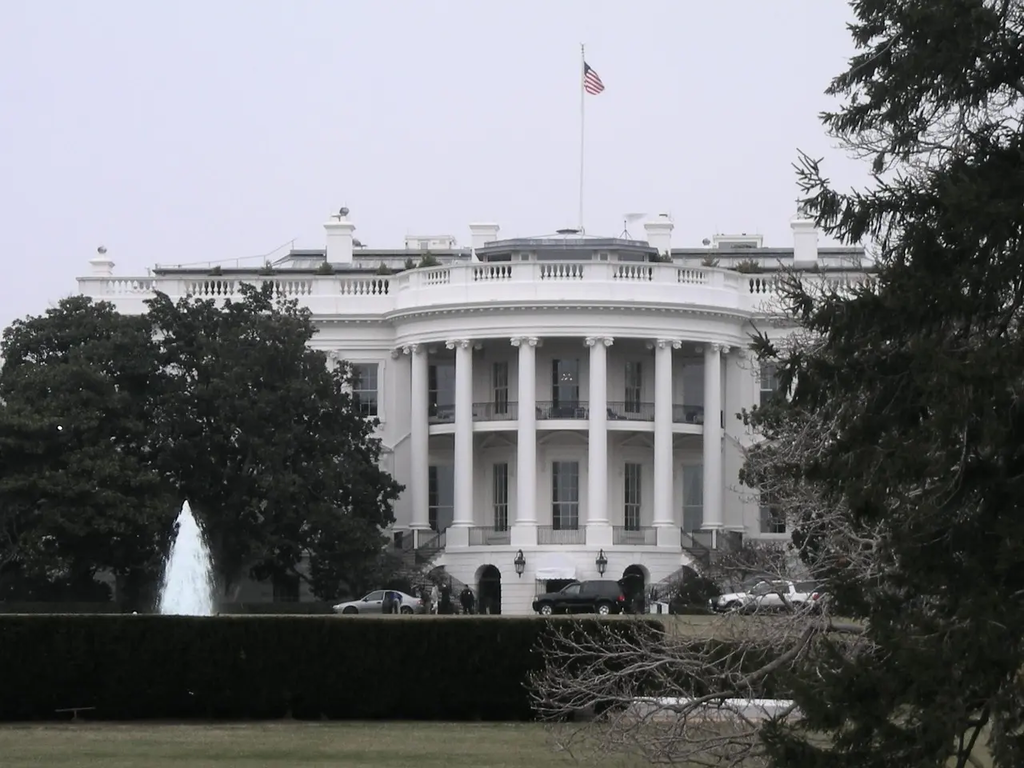
The New Deal refers to a series of programs and reforms launched by President Franklin D. Roosevelt during the 1930s to combat the Great Depression. It exemplifies presidential economic leadership by demonstrating how a president can use federal authority to address national crises, reshape economic policy, and expand government’s role in economic recovery. Roosevelt’s actions set a precedent for future presidents to lead boldly during times of economic hardship.
The New Deal and Presidential Economic Leadership
The New Deal refers to a series of programs and reforms launched by President Franklin D. Roosevelt during the 1930s to combat the Great Depression. It exemplifies presidential economic leadership by demonstrating how a president can use federal authority to address national crises, reshape economic policy, and expand government’s role in economic recovery. Roosevelt’s actions set a precedent for future presidents to lead boldly during times of economic hardship.

💡 Key Takeaways
- Understand the core aims of the New Deal (relief, recovery, reforms) and how it sought to address unemployment and economic distress during the Great Depression.
- Learn how President Roosevelt used federal authority to create new agencies and public-work programs (e.g., CCC, WPA, TVA) that provided jobs and reshaped infrastructure.
- Explore major reforms in banking, finance, labor, and social welfare (FDIC, Banking Act, Social Security Act) that redefined the federal government's role.
- Analyze debates about presidential power, policy effectiveness, and the New Deal's lasting impact on American economic policy and political leadership.
❓ Frequently Asked Questions
What was the New Deal?
A 1930s set of U.S. programs and reforms under President Franklin D. Roosevelt aimed at relief, recovery, and reforms to address the Great Depression.
Who led the New Deal and when did it take place?
President Franklin D. Roosevelt, who began implementing New Deal policies in 1933 as the United States faced the Great Depression.
What were the main goals of the New Deal?
Relief for the unemployed, economic recovery, and reforms to prevent future depressions (the three Rs).
Can you name some major New Deal programs or reforms?
Civilian Conservation Corps (CCC), Public Works Administration (PWA), the Rural Electrification Administration, and the Social Security Act.
How did the New Deal demonstrate presidential economic leadership?
It showed how a president can use federal authority to act decisively during a national crisis—creating programs, regulating finance and labor, and reshaping the government’s role in the economy.