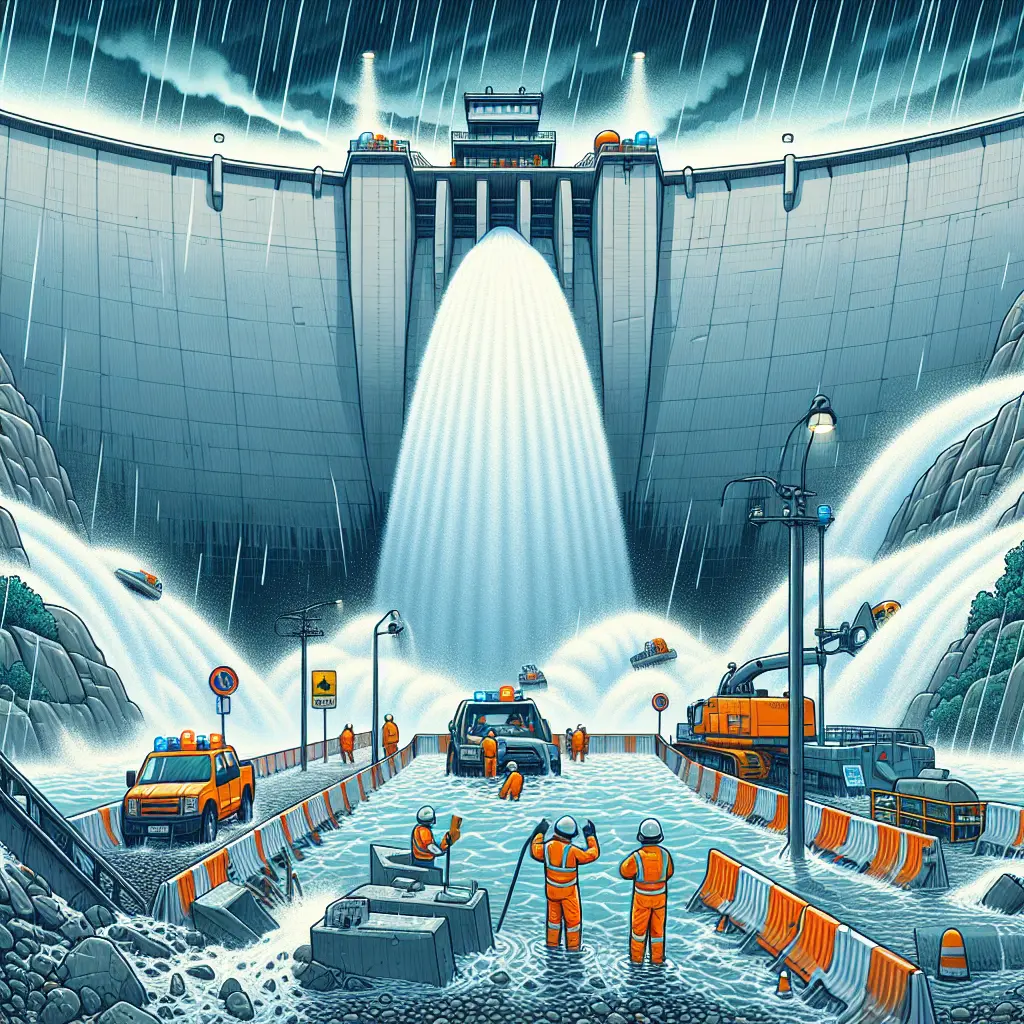
The North American Monsoon is a seasonal weather pattern that brings moist air and thunderstorms to the southwestern United States and northwestern Mexico during summer. This influx of moisture can trigger intense, short-lived rainfall events over arid desert landscapes. Due to the dry, hard ground and sparse vegetation, water runs off quickly, often resulting in sudden and dangerous flash flooding that can impact communities, roadways, and natural habitats in these desert regions.
The North American Monsoon and Desert Flash Flooding
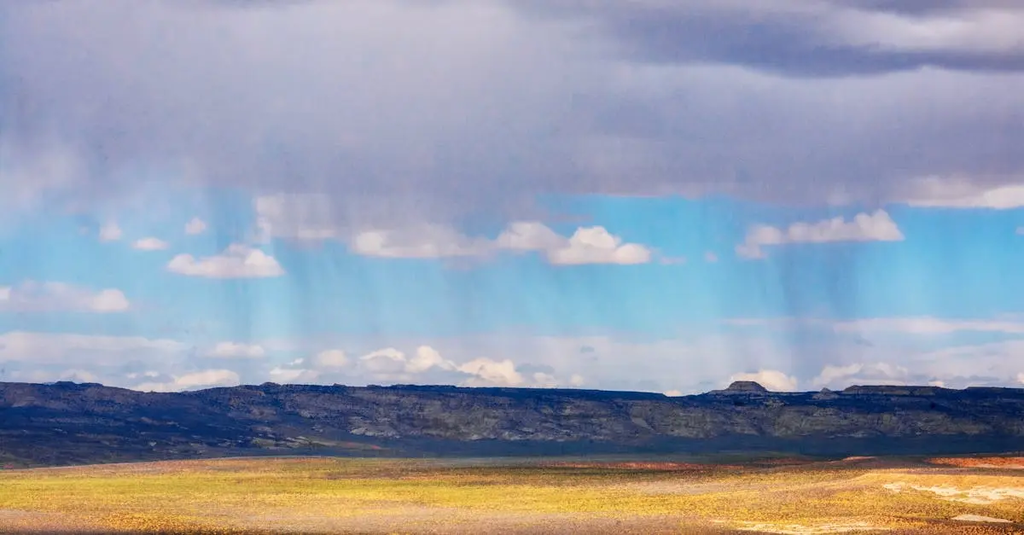
The North American Monsoon is a seasonal weather pattern that brings moist air and thunderstorms to the southwestern United States and northwestern Mexico during summer. This influx of moisture can trigger intense, short-lived rainfall events over arid desert landscapes. Due to the dry, hard ground and sparse vegetation, water runs off quickly, often resulting in sudden and dangerous flash flooding that can impact communities, roadways, and natural habitats in these desert regions.
💡 Key Takeaways
- Describe the North American Monsoon and its seasonal timing in the southwestern United States and northwestern Mexico.
- Explain how the monsoon transports moist air and thunderstorm activity into desert regions and why this can produce intense, short-lived rainfall.
- Identify why dry, hard desert surfaces contribute to rapid runoff and flash flooding during these events.
- Highlight safety considerations and the importance of forecasting and preparedness in flash flood-prone desert environments.
❓ Frequently Asked Questions
What is the North American Monsoon?
A seasonal weather pattern in the southwestern United States and northwestern Mexico that brings moist air and thunderstorms to the region each summer, increasing humidity and rainfall.
When does the monsoon typically bring rain to this area?
Usually during midsummer, roughly July through September, though the exact timing varies by year.
Why can monsoon rains trigger desert flash floods?
Desert soils are often dry and hard, so heavy, short-lived rainfall cannot infiltrate quickly and runs off rapidly into canyons and washes, causing flash floods.
How can people stay safe during monsoon-related flash floods?
Avoid driving through floodwaters, heed weather alerts, stay away from washes and arroyos during storms, and seek higher ground if flash floods are imminent.