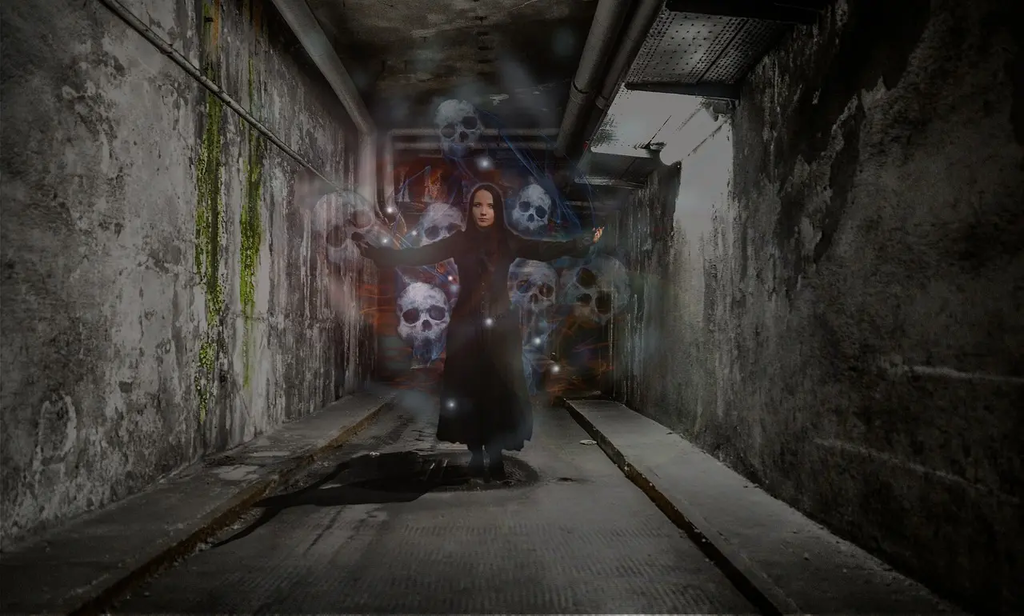
The phrase "The Pact and the Hammer of the Waters" evokes a sense of solemn agreement or alliance, symbolized by "the Pact," combined with a powerful, possibly destructive force, represented by "the Hammer of the Waters." Together, they suggest a binding commitment that may unleash significant change or consequences, much like a hammer striking water to create ripples or upheaval. This phrase conveys themes of unity, power, and transformative action.
The Pact and the Hammer of the Waters
The phrase "The Pact and the Hammer of the Waters" evokes a sense of solemn agreement or alliance, symbolized by "the Pact," combined with a powerful, possibly destructive force, represented by "the Hammer of the Waters." Together, they suggest a binding commitment that may unleash significant change or consequences, much like a hammer striking water to create ripples or upheaval. This phrase conveys themes of unity, power, and transformative action.

💡 Key Takeaways
- Identify the key figures and motivations behind the Pact and the Hammer of the Waters.
- Explain the symbolism of the Pact and the Hammer of the Waters within maritime folklore and fantasy.
- Analyze how the Pact influences power, loyalty, and choices that shape the narrative.
- Compare this motif with other myths involving covenants and magical weapons to spot common storytelling patterns.
❓ Frequently Asked Questions
What is typically meant by "The Pact" in fantasy narratives?
A formal agreement between parties that binds actions and loyalties, often driving the plot when it is honored or broken.
What could "Hammer of the Waters" symbolize?
A powerful artifact or weapon tied to water, capable of controlling sea forces, symbolizing power, responsibility, or peril.
How can you identify the central conflict in a story with pact and water imagery?
Look for who seeks or resists the pact, who wields the hammer, and what is at stake—power, trust, or survival.
What clues help interpret symbolism in such a tale?
Notice recurring water motifs, references to oaths, and how characters’ relationships and decisions evolve after interactions with the hammer or the pact.