The Patent Wars refer to intense legal battles over intellectual property during the late 19th and early 20th centuries. Notably, Thomas Edison and Nikola Tesla clashed over electrical patents, shaping the future of power distribution. Similarly, the Wright Brothers fiercely defended their aviation patents against rivals, hindering early airplane innovation. These disputes highlight the era's competitive drive for technological dominance and the significant impact of patent law on scientific progress.
The Patent Wars (Edison vs Tesla, Wright Brothers disputes)
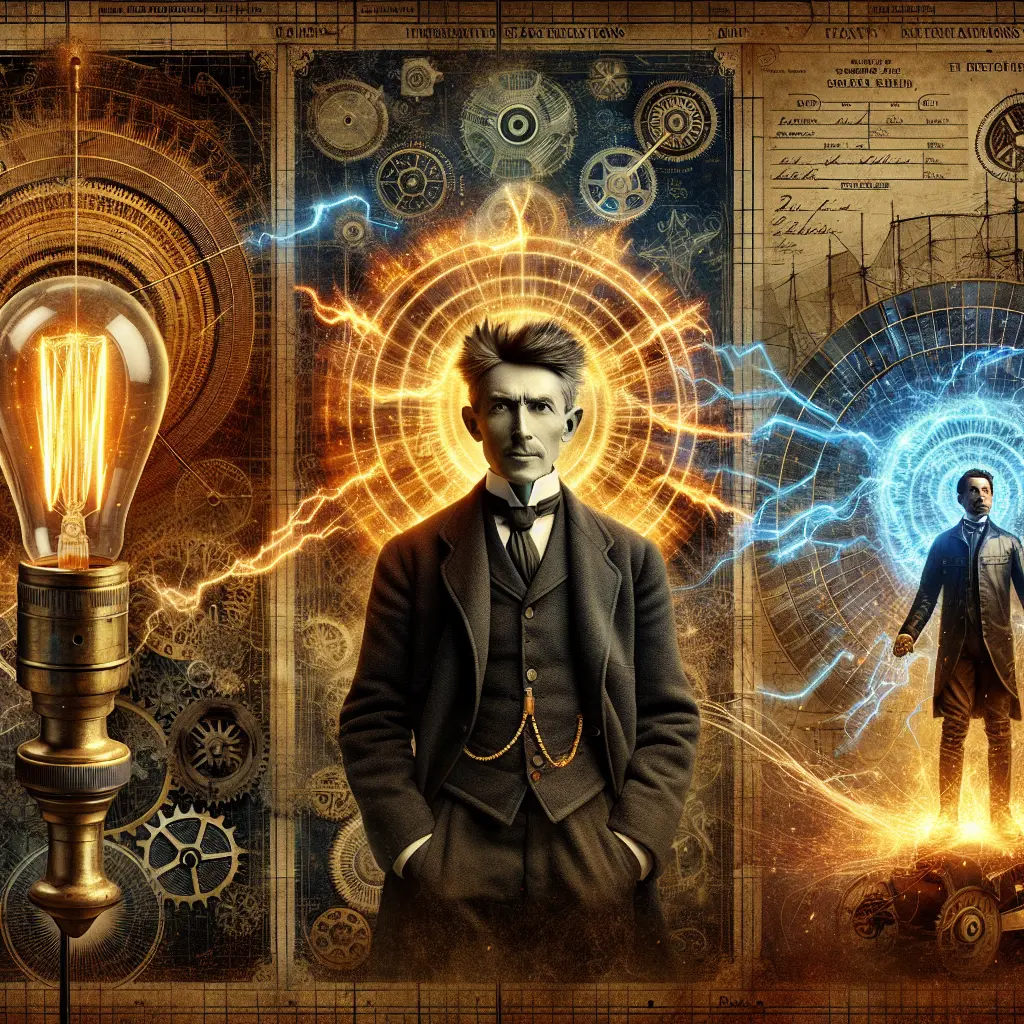
The Patent Wars refer to intense legal battles over intellectual property during the late 19th and early 20th centuries. Notably, Thomas Edison and Nikola Tesla clashed over electrical patents, shaping the future of power distribution. Similarly, the Wright Brothers fiercely defended their aviation patents against rivals, hindering early airplane innovation. These disputes highlight the era's competitive drive for technological dominance and the significant impact of patent law on scientific progress.
💡 Key Takeaways
- Understand how patent battles between Edison and Tesla helped shape the 'War of Currents' and the shift from DC to AC in power distribution.
- Explore how patent strategies—filings, licensing, and lawsuits—influenced who could commercialize major innovations in the late 19th/early 20th century.
- Learn how the Wright brothers used patents to defend aviation technologies and how legal disputes affected early flight development.
- Reflect on the broader impact of patent wars: they spurred rapid invention but sometimes slowed practical adoption due to litigation.
❓ Frequently Asked Questions
What were the Patent Wars in late 19th and early 20th century America?
A period of intense patent litigation and licensing battles that shaped how new technologies were developed and commercialized, featuring major clashes like Edison vs. Tesla and the Wright Brothers' aviation disputes.
What was the War of Currents and who were its main players?
A public and legal battle over electrical power systems, pitting Thomas Edison’s direct current (DC) approach against Nikola Tesla and George Westinghouse’s alternating current (AC) system, which ultimately became standard.
What were the Wright Brothers' patent disputes about?
They defended patents covering airplane control and propulsion, challenging rivals such as Glenn Curtiss to protect their aviation breakthroughs and licensing rights.
Why do these patent battles matter for American innovation?
They show how patent law influences who can commercialize new technologies, the pace of development, and the standards and licensing terms that shape entire industries.