Mount Rushmore, an iconic American monument, features the carved faces of four presidents, but its history is complex. The mountain, known as Six Grandfathers, was sacred to the Lakota Sioux before being seized by the U.S. government. Sculptor Gutzon Borglum’s project aimed to promote tourism, yet it disregarded Native American rights and treaties. The monument’s creation involved political motives, artistic ambition, and deep cultural controversy that continues to spark debate today.
The Real Stories Behind Mount Rushmore+50
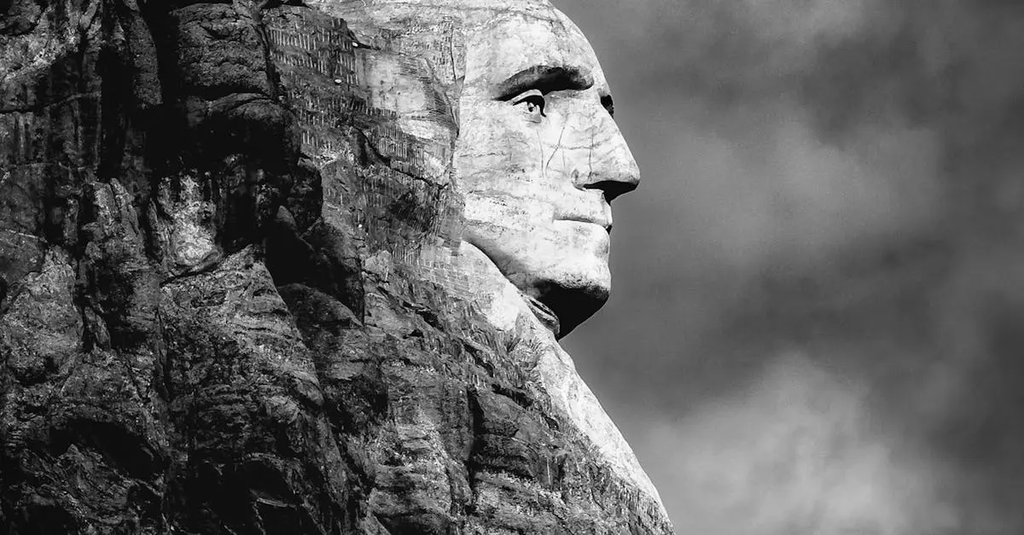
Mount Rushmore, an iconic American monument, features the carved faces of four presidents, but its history is complex. The mountain, known as Six Grandfathers, was sacred to the Lakota Sioux before being seized by the U.S. government. Sculptor Gutzon Borglum’s project aimed to promote tourism, yet it disregarded Native American rights and treaties. The monument’s creation involved political motives, artistic ambition, and deep cultural controversy that continues to spark debate today.
💡 Key Takeaways
- Understand the sacred origins of Mount Rushmore to the Lakota Sioux as Six Grandfathers and how the site was taken by the U.S. government.
- Explore sculptor Gutzon Borglum's goal to promote tourism and how this shaped the monument's creation.
- Examine the monument as a symbol of complex national memory that includes Indigenous perspectives and contested histories.
- Consider who gets to tell history in monuments and how such projects affect communities today.
❓ Frequently Asked Questions
What is Mount Rushmore and where is it located?
Mount Rushmore is a granite sculpture in the Black Hills of South Dakota featuring the carved faces of four U.S. presidents, completed in 1941.
Which presidents are carved on Mount Rushmore and why were these presidents chosen?
George Washington, Thomas Jefferson, Theodore Roosevelt, and Abraham Lincoln were chosen to symbolize founding, expansion, development, and preservation of the United States.
What is the Lakota name for the mountain and its significance?
The Lakota call it Six Grandfathers; the site is sacred to the Lakota in the Black Hills, a region seized by the U.S. government after gold was discovered.
Who built Mount Rushmore and what was the project’s goal?
Sculptor Gutzon Borglum led the project (soon after his son took over during later stages); the aim was to promote tourism and national pride with government support.
Why is Mount Rushmore controversial today?
Because it sits on land sacred to the Lakota that was taken after treaty violations, raising ongoing debates about Indigenous rights and historical memory.