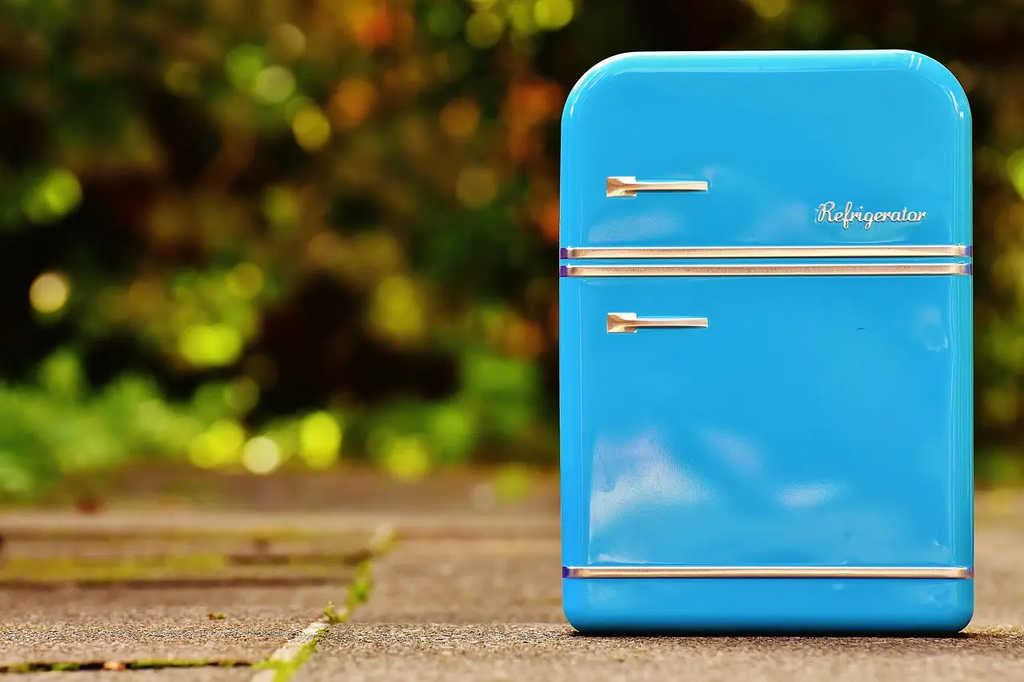
The refrigerator, a revolutionary invention, transformed food storage by using cooling technology to slow bacterial growth and preserve perishable items. Its introduction into homes in the early 20th century drastically reduced food spoilage and improved health and convenience. As an iconic invention, the refrigerator symbolizes modern domestic life, enabling longer storage of fresh produce, dairy, and meat, and shaping global food distribution and consumption habits.
The Refrigerator
The refrigerator, a revolutionary invention, transformed food storage by using cooling technology to slow bacterial growth and preserve perishable items. Its introduction into homes in the early 20th century drastically reduced food spoilage and improved health and convenience. As an iconic invention, the refrigerator symbolizes modern domestic life, enabling longer storage of fresh produce, dairy, and meat, and shaping global food distribution and consumption habits.
💡 Key Takeaways
- Learn how a refrigerator keeps food safe by maintaining proper temperatures.
- Understand fridge zones (door, shelves, crisper) and where to store dairy, produce, and meats.
- Discover energy-saving habits and safe storage guidelines to reduce waste.
- Get simple maintenance tips (seals, defrosting, cleaning) to prevent odors and spoilage.
❓ Frequently Asked Questions
What is the main purpose of a refrigerator?
To slow bacterial growth and keep perishable foods safe by maintaining a cold interior.
How does a refrigerator keep food cold?
It uses a refrigerant to absorb heat from inside, then compresses and releases it outside via a condenser, transferring heat from the interior to the exterior.
What is the difference between a refrigerator and a freezer?
A fridge keeps food above freezing (about 1–4°C), while a freezer stores items at or below 0°C to freeze them.
What are some simple energy-saving tips for using a refrigerator?
Keep the door closed, set the temperature to the recommended level, ensure door seals are airtight, clean condenser coils, and avoid placing hot foods inside.