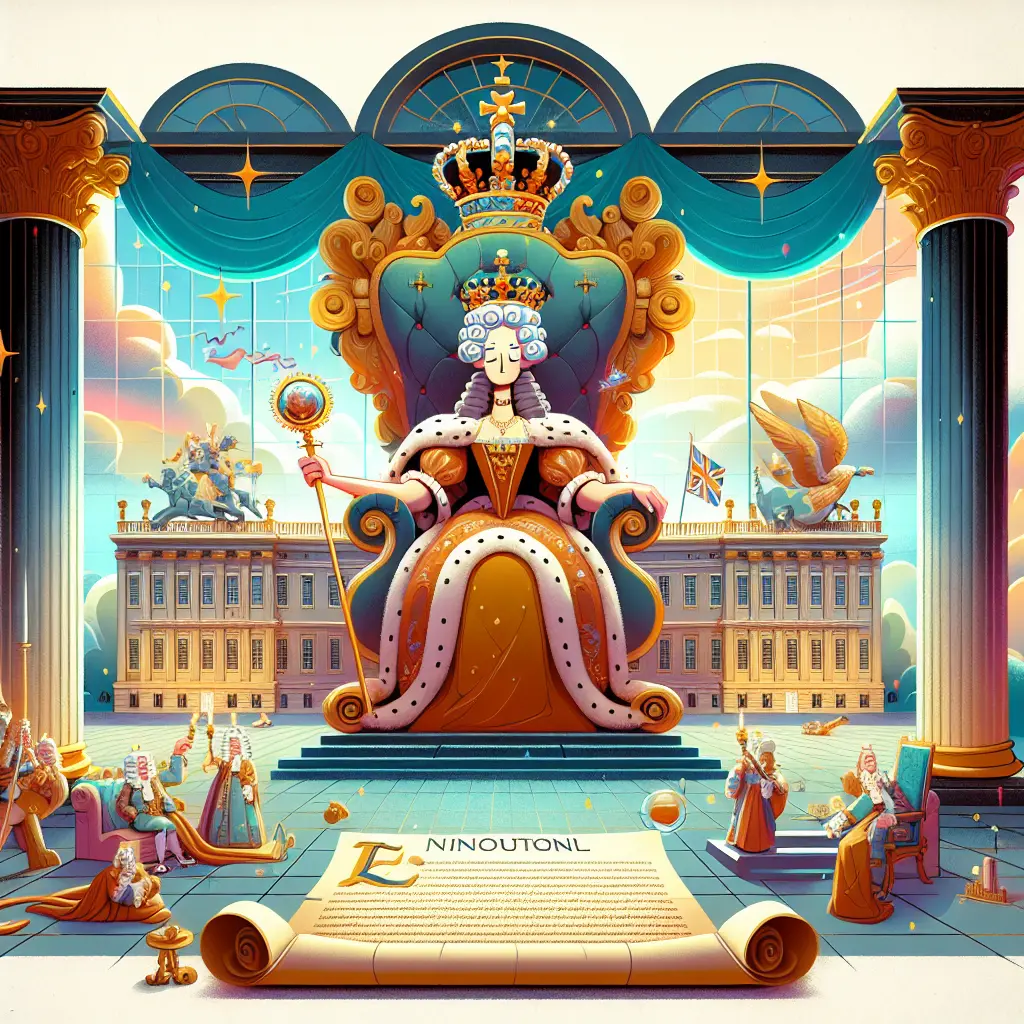
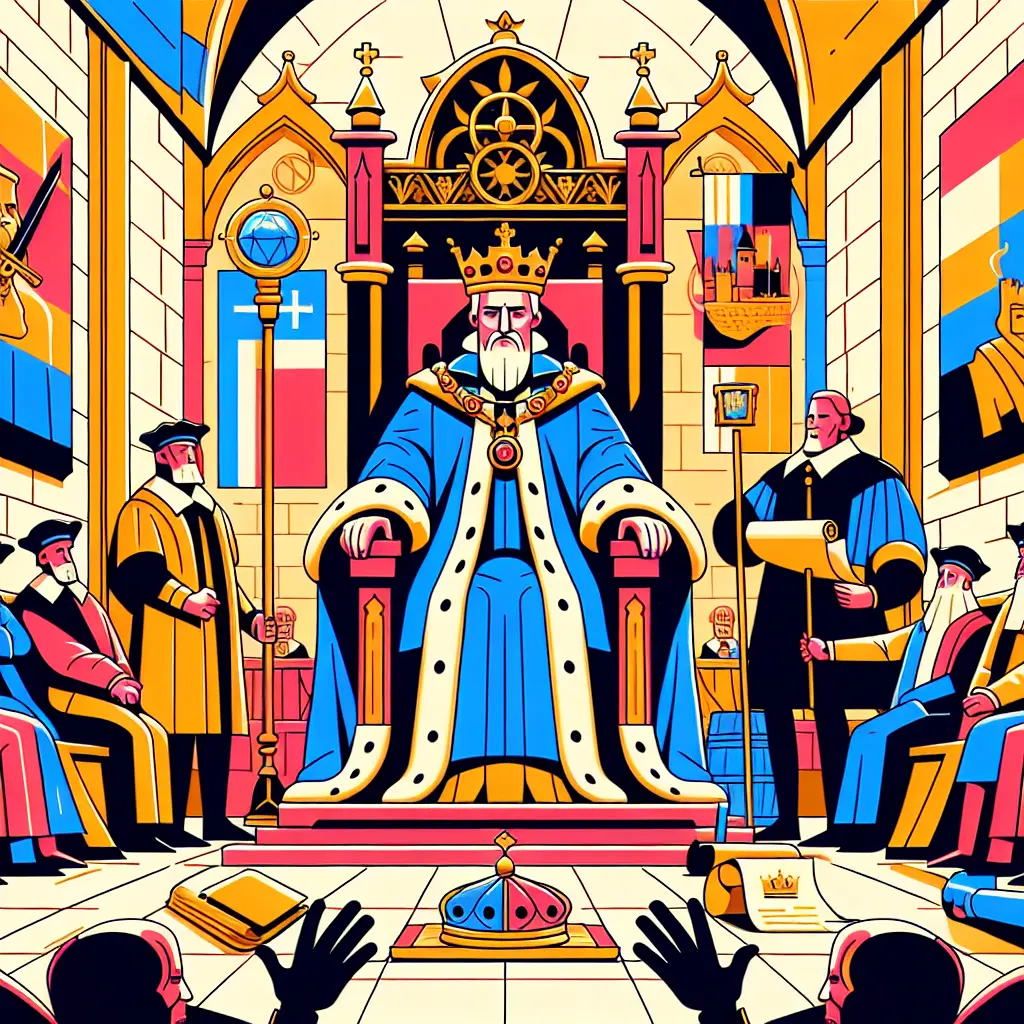
The Restoration of the Monarchy refers to the period in 1660 when the English monarchy was reestablished under King Charles II after the collapse of the Commonwealth led by Oliver Cromwell. This event marked the end of republican rule following the English Civil War and the execution of Charles I. The Restoration brought back traditional institutions, the Church of England, and a renewed cultural vibrancy, significantly shaping British society and politics.
The Restoration of the Monarchy
The Restoration of the Monarchy refers to the period in 1660 when the English monarchy was reestablished under King Charles II after the collapse of the Commonwealth led by Oliver Cromwell. This event marked the end of republican rule following the English Civil War and the execution of Charles I. The Restoration brought back traditional institutions, the Church of England, and a renewed cultural vibrancy, significantly shaping British society and politics.
💡 Key Takeaways
- Understand the context for the Restoration of the Monarchy in 1660, including the end of the Commonwealth and the execution of Charles I.
- Trace the key steps that brought Charles II to the throne: the Convention Parliament, the invitation to reign, and the Declaration of Breda.
- Explain how the Restoration established the monarchy, reopens Parliament, and reasserts the Church of England, with nuances about religious policy for dissenters.
- Assess the long-term impact of the Restoration on English governance, constitutional development, and political culture.
❓ Frequently Asked Questions
What is the Restoration of the Monarchy?
The 1660 reestablishment of the English monarchy after the Interregnum, when Charles II returned as king and republican rule ended.
Who became king during the Restoration?
Charles II, the son of Charles I, who was invited back from exile to reign in 1660.
What happened to Charles I?
He was executed in 1649, which led to the establishment of the Commonwealth.
What was the Commonwealth and who led it?
A republican government established after Charles I's execution, led by Oliver Cromwell as Lord Protector; it collapsed by 1659–1660, paving the way for the Restoration.