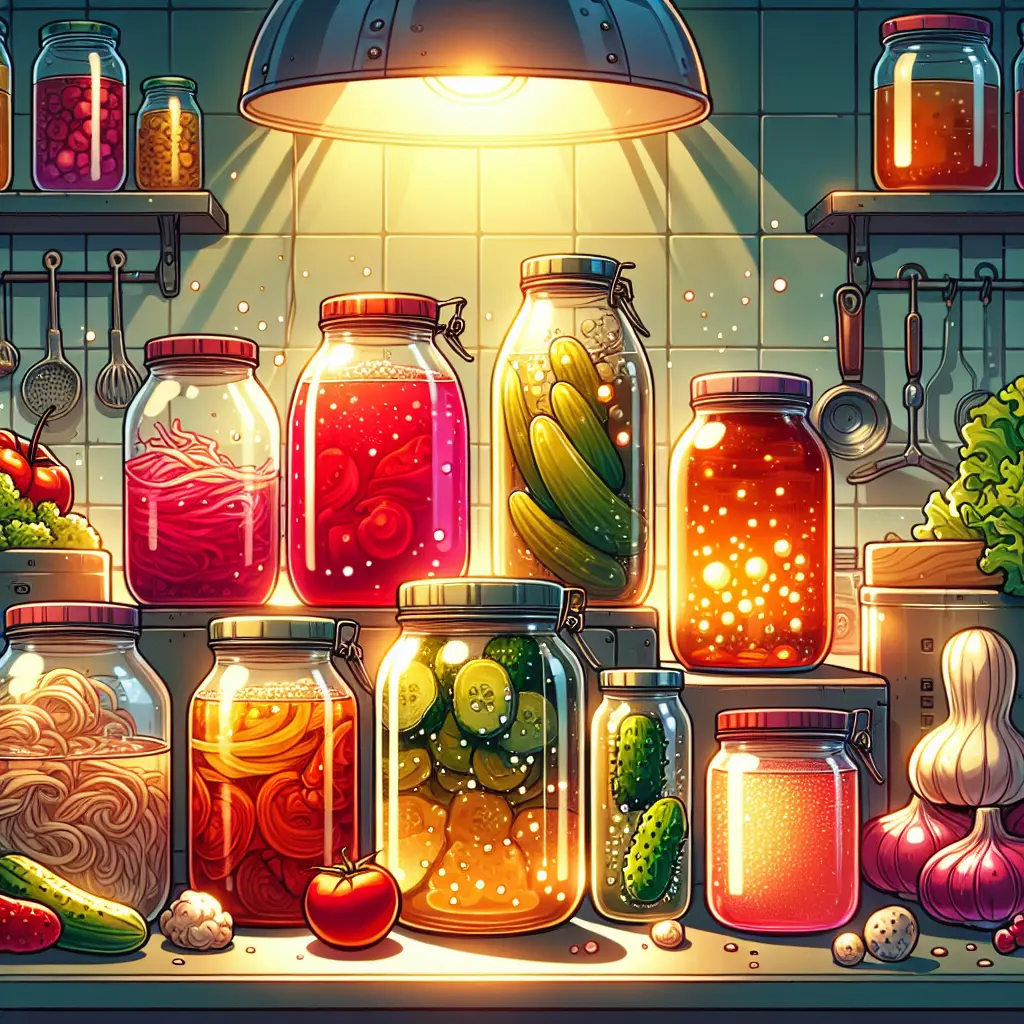
The resurgence of fermentation highlights a renewed interest in traditional preservation techniques, exemplified by foods like kimchi and beverages like kombucha. This trend reflects a growing appreciation for the unique flavors, health benefits, and probiotic qualities these foods offer. Beyond kimchi and kombucha, people are exploring a variety of fermented products, embracing both culinary experimentation and the cultural heritage associated with fermentation practices worldwide.
The resurgence of fermentation: kimchi, kombucha, and beyond
The resurgence of fermentation highlights a renewed interest in traditional preservation techniques, exemplified by foods like kimchi and beverages like kombucha. This trend reflects a growing appreciation for the unique flavors, health benefits, and probiotic qualities these foods offer. Beyond kimchi and kombucha, people are exploring a variety of fermented products, embracing both culinary experimentation and the cultural heritage associated with fermentation practices worldwide.
💡 Key Takeaways
- Define fermentation and its role in preservation, flavor development, and texture.
- Identify iconic examples like kimchi and kombucha and explain how different fermentation processes create distinct flavors.
- Discuss potential health benefits and probiotic qualities commonly attributed to fermented foods.
- Explore why fermentation is resurging in American cuisine, including cultural exchange, DIY movements, and experimentation beyond traditional staples.
❓ Frequently Asked Questions
What is fermentation?
A preservation process where microbes like yeast or bacteria transform ingredients, producing acids or alcohol and developing distinctive flavors.
Which foods and beverages are cited as examples in the article?
Kimchi and kombucha are highlighted, with the resurgence extending to other fermented foods and drinks beyond these examples.
Why is fermentation experiencing a resurgence in American culinary history?
It reflects renewed interest in traditional techniques, unique flavors, and potential health benefits from live cultures and probiotics.
Do all fermented foods contain probiotics or health benefits?
Not necessarily; some contain live cultures that may support gut health, while others do not. Benefits vary by product and processing.