The rise of private prisons refers to the increasing involvement of for-profit companies in operating correctional facilities, particularly in the United States since the 1980s. This trend emerged as governments sought to reduce costs and manage overcrowding. The impact has been controversial, with critics arguing that profit motives can lead to cost-cutting at the expense of inmate welfare and rehabilitation, while supporters claim private prisons offer efficiency and flexibility in the criminal justice system.
The rise and impact of private prisons
The rise of private prisons refers to the increasing involvement of for-profit companies in operating correctional facilities, particularly in the United States since the 1980s. This trend emerged as governments sought to reduce costs and manage overcrowding. The impact has been controversial, with critics arguing that profit motives can lead to cost-cutting at the expense of inmate welfare and rehabilitation, while supporters claim private prisons offer efficiency and flexibility in the criminal justice system.
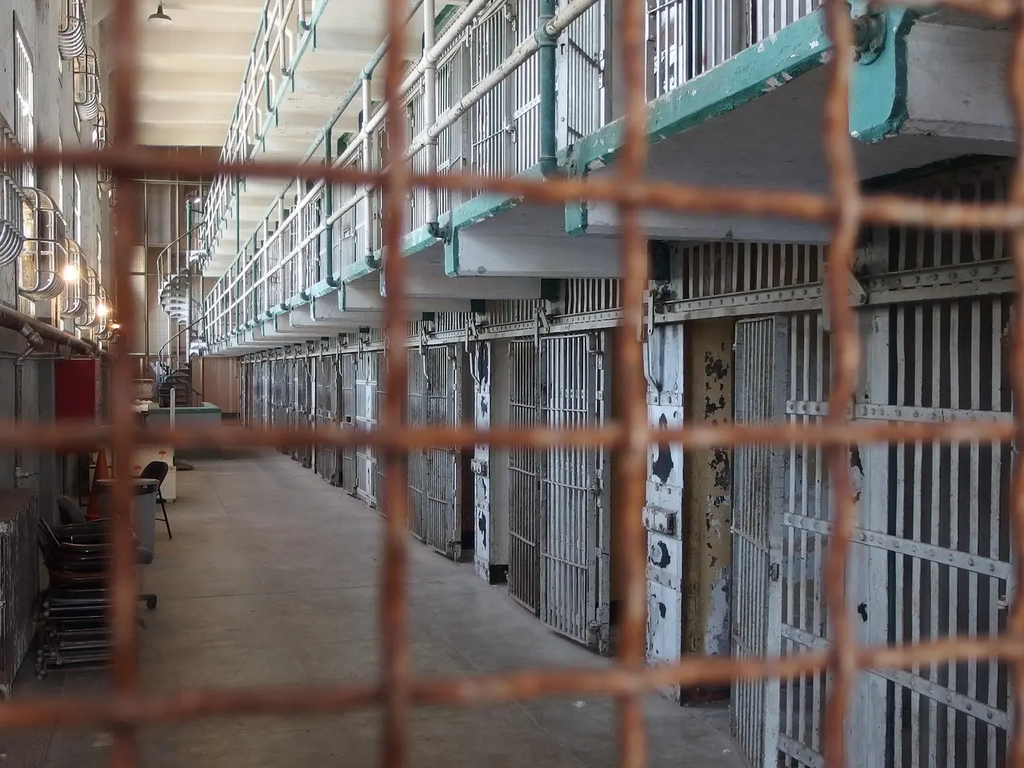
💡 Key Takeaways
- Understand why private prisons expanded in the U.S. since the 1980s, including cost pressures and overcrowding management.
- Learn how contracts and incentives in privatized facilities are designed to control costs and influence performance.
- Evaluate the evidence on safety, inmate welfare, staff conditions, and recidivism in private versus public prisons.
- Discuss the regulatory, ethical, and policy debates surrounding privatization and the potential directions for reform.
❓ Frequently Asked Questions
What are private prisons?
Private prisons are correctional facilities owned or operated by for-profit companies under contract with government agencies, rather than directly run by the state or federal government.
Why did private prisons rise in the United States since the 1980s?
Rising inmate populations, perceived cost savings, and policies favoring privatization led governments to outsource some prison operations to for-profit firms to expand capacity and reduce expenses.
Do private prisons save money or improve outcomes?
Proponents say they can reduce costs and increase efficiency, but evidence is mixed. Some studies find modest savings; others show no clear financial benefit or higher costs in certain areas, with mixed effects on safety and rehabilitation depending on contracts and oversight.
What are the main concerns or criticisms of private prisons?
Critics worry about profit incentives driving understaffing, reduced program funding, lower safety and accountability, less transparency, and potential negative impacts on inmate rights and rehabilitation.
How are private prisons regulated and held accountable?
They operate under state or federal contracts with specified performance metrics, inspections, and reporting requirements. Oversight varies by jurisdiction and can affect safety, quality of care, and adherence to constitutional standards.