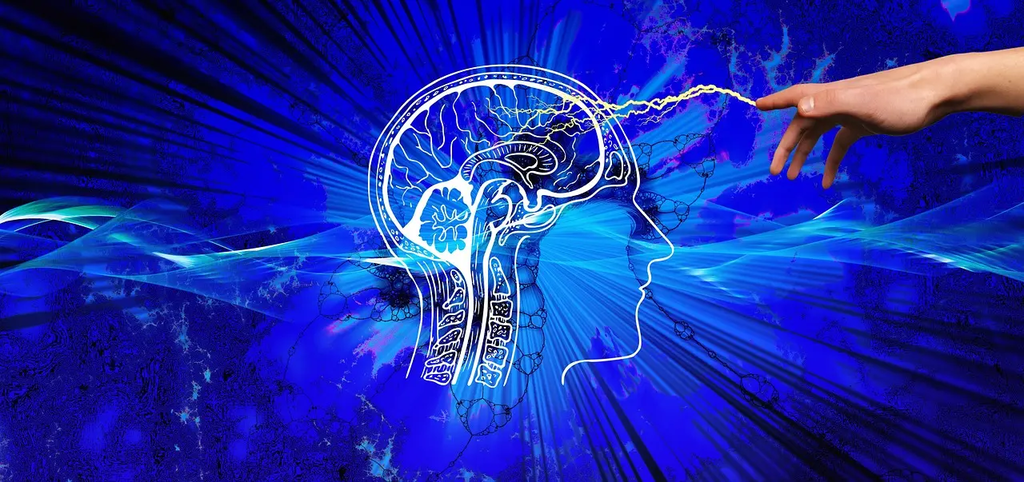
Enzymes play a crucial role in recovery and healing by accelerating biochemical reactions necessary for tissue repair, inflammation reduction, and waste removal. They help break down damaged cellular components, facilitate the synthesis of new proteins, and support immune responses. By speeding up these processes, enzymes promote faster healing of injuries, minimize scar formation, and restore normal function, making them essential for efficient recovery in the body.
The Role of Enzymes in Recovery
Enzymes play a crucial role in recovery and healing by accelerating biochemical reactions necessary for tissue repair, inflammation reduction, and waste removal. They help break down damaged cellular components, facilitate the synthesis of new proteins, and support immune responses. By speeding up these processes, enzymes promote faster healing of injuries, minimize scar formation, and restore normal function, making them essential for efficient recovery in the body.
💡 Key Takeaways
- Understand what enzymes are and why they matter for recovery processes
- Describe how enzymes support tissue repair and restore function after exercise or injury
- Explain how nutrition, hydration, and pH influence enzyme activity during recovery
- Recognize examples of enzymes involved in inflammation, metabolism, and tissue remodeling
❓ Frequently Asked Questions
What are enzymes and what role do they play in recovery?
Enzymes are proteins that speed up chemical reactions in the body. In recovery, they help with tissue repair, removal of damaged proteins, and energy production, provided the body has the right nutrients and environment.
Do enzymes directly help muscles recover after exercise?
Enzymes support recovery by enabling metabolic and repair processes, but rest, adequate protein intake, and inflammation control are also essential for effective recovery.
What’s the difference between digestive enzymes and recovery-focused enzymes?
Digestive enzymes (like proteases, amylases, lipases) break down food in the gut, while recovery-focused enzymes work inside cells and tissues to repair damage and process nutrients.
How can you support enzyme activity during recovery?
Provide adequate protein and essential micronutrients, stay hydrated, get enough sleep, and maintain balanced nutrition to support enzyme function and overall recovery.