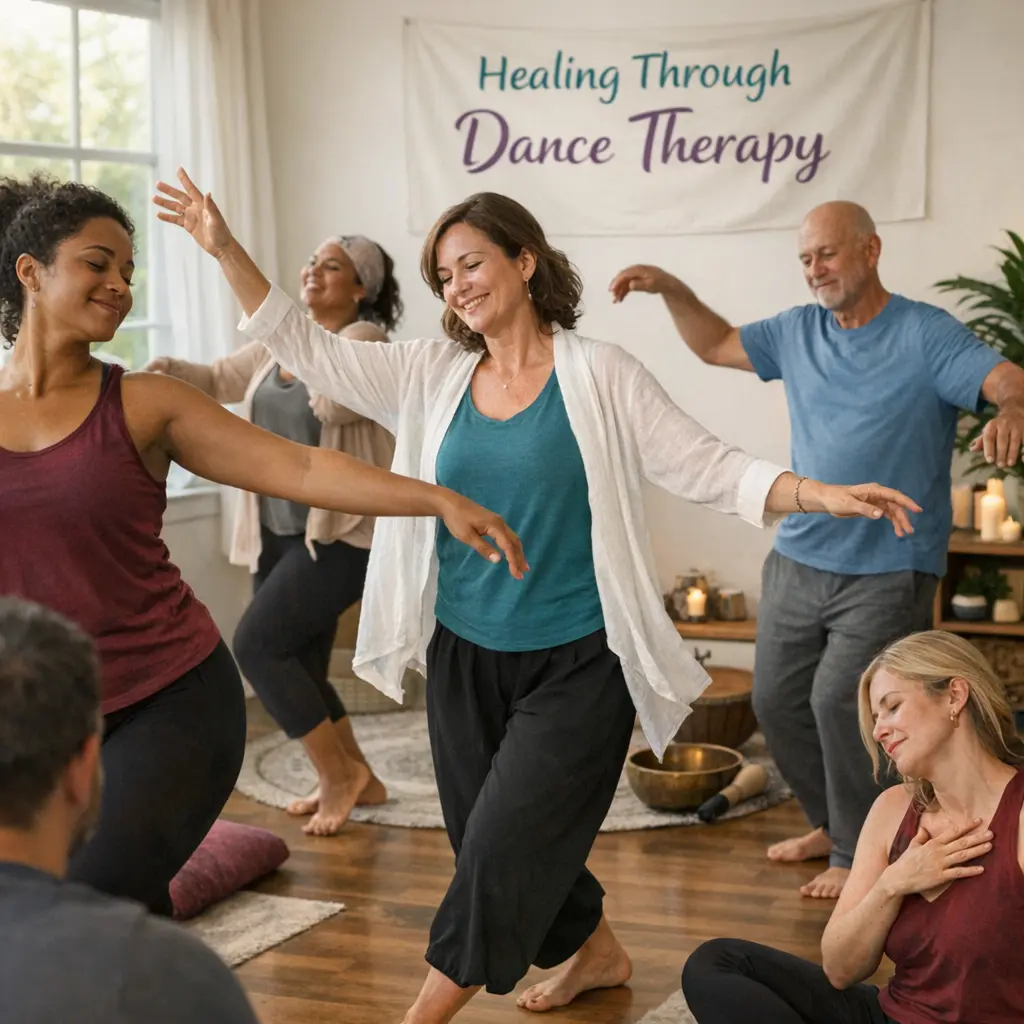
Exercise plays a vital role in recovery and healing by enhancing blood circulation, reducing inflammation, and promoting the release of endorphins, which improve mood and alleviate pain. Regular physical activity helps restore strength, flexibility, and mobility, while also supporting immune function and reducing the risk of further injury. Additionally, exercise contributes to mental well-being, reducing stress and anxiety, thereby accelerating the overall healing process.
The Role of Exercise in Recovery
Exercise plays a vital role in recovery and healing by enhancing blood circulation, reducing inflammation, and promoting the release of endorphins, which improve mood and alleviate pain. Regular physical activity helps restore strength, flexibility, and mobility, while also supporting immune function and reducing the risk of further injury. Additionally, exercise contributes to mental well-being, reducing stress and anxiety, thereby accelerating the overall healing process.
💡 Key Takeaways
- Understand how gentle to moderate exercise can speed recovery after injury by improving circulation and tissue healing.
- Identify safe exercise options and the right intensity for different stages of recovery.
- Recognize how rest, sleep, and nutrition work with activity to optimize recovery outcomes.
- Learn to monitor symptoms and adjust activity to avoid setbacks and re-injury.
❓ Frequently Asked Questions
What is the role of exercise in recovery?
Exercise supports recovery by improving blood flow, delivering nutrients, reducing stiffness, preserving strength, and promoting tissue repair while avoiding re-injury.
How should you start exercising during recovery?
Begin with low intensity and short sessions, progress gradually, and follow professional guidance. Listen to your body and stop if pain increases.
What types of activities are typically recommended during recovery?
Gentle aerobic activities, mobility and flexibility work, light resistance training, and functional movements. Avoid high-impact or intense workouts early on.
How do rest and activity balance in the recovery process?
Rest allows healing, while controlled activity promotes circulation and mobility. Plan rest days and include light, non-straining activities to support recovery.